
History of Kamenka
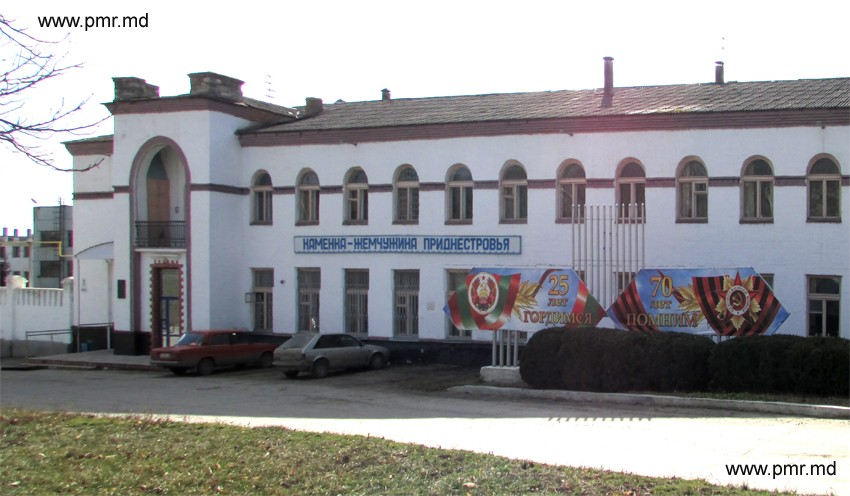
The Kamenka district occupies the extreme northern reaches of Pridnestrovie, a land whose recorded history extends back to the late 14th century when these territories became part of the Grand Duchy of Lithuania, and subsequently the Polish-Lithuanian Commonwealth following the union of Lithuania and Poland. The center of the district — the town of Kamenka itself — was founded two centuries later, with the earliest documentary records of the settlement dating to 1608, from which year the town traces its official history.
In 1793, following the second partition of the Commonwealth, the lands of northern Pridnestrovie were transferred to the Russian Empire. Twelve years later, in 1805, the town of Kamenka was acquired by the celebrated Russian prince P.Kh. Wittgenstein, a Hero of the Patriotic War of 1812, whose vision and investment transformed the town into a highly developed center of winemaking. Under Wittgenstein and his descendants, the foundations were laid for the region’s modern agricultural specializations — gardening, vegetable growing, viticulture and winemaking — while Kamenka gained additional fame as a grape juice therapeutic resort that attracted health-seeking visitors from across the empire.
The Soviet era brought continued growth and diversification: in 1958, the first products of the famous Kamenka canning factory came off the production line, while the same year saw the establishment of the first state farm specializing in horticulture and viticulture anywhere in the USSR — achievements that cemented the district’s identity as an agricultural leader within the broader Soviet system.
Today Kamenka and its district are home to approximately 21,000 people, while the district’s status as one of the most picturesque corners of Pridnestrovie ensures a steady stream of visitors drawn by its ancient villages, aristocratic heritage and spectacular natural landscapes.

