

Cycling route Tiraspol – Chobruchi
Cycling Route Tiraspol–Chobruchi
Trade the city streets for open roads and lush parks on the Cycling Route Tiraspol–Chobruchi — a scenic 21 km journey through some of the most distinctive green spaces and cultural landmarks of Slobodzeya district. With 3 thoughtfully chosen stops, plan for a relaxed 2–3 hours to truly savour every moment of this ride.
The route begins at the Botanical Garden (50 Mira Str., Tiraspol) — a verdant urban oasis that eases you gently out of the city with its rich collections of plants, trees and flowers. A wonderful place to start the morning before the ride, the Botanical Garden sets a calm and inspiring tone for the journey ahead.
After an 11 km ride, the route arrives in the town of Slobodzeya at the Arcade Complex in the city center — an intriguing architectural ensemble that adds a touch of urban character to this otherwise natural route. Take a moment to explore and appreciate this unexpected highlight in the heart of Slobodzeya.
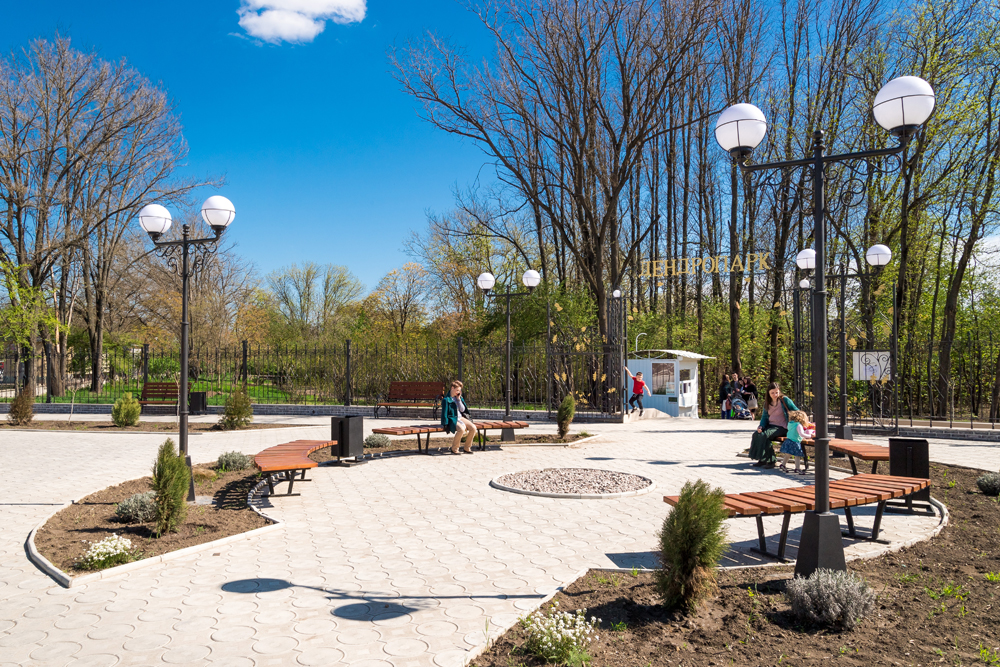
The final 9.4 km stretch leads to the crown jewel of the route — the Park named after D.K. Rodin, a Monument of Landscape Art (32G Lenin Str., Chobruchi village, Slobodzeya district). This remarkable park, recognized as a true work of landscape artistry, is the perfect place to conclude the journey — surrounded by carefully curated nature, tranquило, and the timeless beauty of a place lovingly shaped by human hands.
Botanical Garden
Established in 1959 on the initiative of academician P.I. Dvornikov, the Botanical Garden of Tiraspol spans an impressive 20.5 hectares along the eastern edge of the city. The garden has earned its reputation through its remarkable and ever-expanding collections of woody, shrubby, perennial and annual plant species, while also serving a practical purpose in cultivating plants used for beautifying cities and districts throughout Pridnestrovie.
At the very heart of the garden lies its most celebrated feature — a magnificent rose garden boasting more than 200 distinct varieties, drawing visitors who simply wish to wander among the blooms. The garden’s dendrological section, occupying the north-western portion of the grounds, offers equally impressive riches: rare coniferous and deciduous species gathered from different corners of the world create a living catalog of global botanical diversity. Visitors will also find dedicated collections of spice and medicinal plants, alongside species included on endangered lists, reflecting the garden’s role in conservation as well as beauty.
The garden transforms dramatically with the seasons. April brings the spectacular sight of a blooming tulip field, while June introduces a stunning lavender field that has become a favorite spot for photography. In 2018, pomegranate seedlings were planted for the first time, and they have taken remarkably well to the local climate — today, more than 10 thriving bushes call the garden home. Come autumn, visitors can spot the bright, vivid fruits of pomegranate ripening throughout the grounds, adding yet another seasonal highlight to this ever-evolving botanical treasure.

Arcade Complex
This charming recreational complex in the heart of Slobodzeya features eight elegant arches, transformed each evening into a magical display as colorful lanterns illuminate the entire structure against the night sky. At the very center of this beloved gathering space stands its most iconic feature — a beautiful fountain showcasing a sculpture of a loving couple sheltering together beneath an umbrella, taking refuge from a gentle rain.
This romantic centerpiece has made the Arcade Complex one of the most cherished and photographed spots in all of Slobodzeya, drawing locals and visitors alike to enjoy its whimsical charm both day and night.

Park — Monument of Landscape Art named after D.K. Rodin
Spanning 4 hectares, this remarkable park was first laid out in 1958 according to the vision of Dmitry Kirillovich Rodin — a Great Patriotic War veteran and talented sculptor whose creative imagination would go on to shape this space for decades to come. Rather than considering his work complete, Rodin continued enriching the park with new features over the years: a cascading waterfall, fountains, artificial ponds, atmospheric grottoes and delicate openwork bridges, each addition adding new layers of beauty and discovery. Alongside these landscape features, he created numerous sculptural compositions that became defining elements of the park, including “Contemplation Rock,” “Rainbow Grotto” and a rock formation featuring the evocative “Forgotten Jug,” among others.
By the early 1980s, after nearly a decade of dedicated work, the park had achieved the sophisticated form that visitors recognize today. Recognizing the significance of his achievement, Rodin submitted documentation of the park to the All-Union Competition of Landscape Art, held in Moscow at the Exhibition of National Economy Achievements of the Soviet Union in 1982. The competition attracted an extraordinary 1,600 submissions from across the entire USSR — and remarkably, the park in Chobruchi village emerged as one of only five projects awarded a Diploma of First Class along with the large gold medal of VDNKh USSR, a testament to the extraordinary quality and originality of Rodin’s creation.
In 2000, less than a year after Rodin’s passing, the park in Chobruchi was officially named in his honor — a fitting and lasting tribute to the sculptor whose decades of devoted work transformed this space into one of the most celebrated landscape achievements in the entire Soviet Union.