
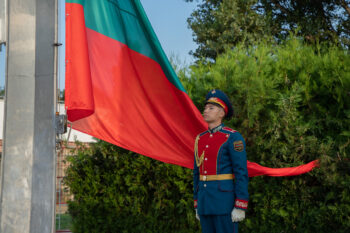
Formation and development of the Pridnestrovian Moldavian Republic
Seven-Day Route: Formation and Development of the Pridnestrovian Moldavian Republic
Embark on one of the most historically significant and emotionally resonant routes in this series — a seven-day, 330 km journey through the formation and development of the Pridnestrovian Moldavian Republic — a route that traces the remarkable story of how a nation was born, defended and built from the ground up. From rare archival documents and constitutional history to industrial giants, natural reserves and wartime memorials, this itinerary offers the most comprehensive portrait of Pridnestrovie available to any traveler.
This route demonstrates the preservation and continuity of cultural traditions, historical memory and achievement, and illustrates the social, technological and industrial development of a republic that has forged its own identity against extraordinary odds.
Day 1 — Tiraspol: Where a Republic Was Born
The journey begins at the Museum of the United Council of Labor Collectives (Cabinet 215, 101 Pokrovskaya Str., Tiraspol) — a unique institution dedicated to the grassroots civic movement that played a pivotal role in the formation of Pridnestrovian statehood. Here, rare documents and photographs of the events surrounding the founding of the PMR bring the extraordinary story of this republic’s birth to life with remarkable immediacy.
After 1.1 km, the route arrives at one of the most historically significant buildings in all of Pridnestrovie — the Comedy Theatre named after N.S. Aronetskaya (130 Pokrovskaya Str., Tiraspol). Within these very walls, at the Second Extraordinary Congress of Deputies of all levels of the Pridnestrovian region, the Pridnestrovian Moldavian Republic was officially proclaimed. To stand in this theatre is to stand at the birthplace of a nation.
Just 1.9 km away, the Museum of the History of Elections and Referendums in the PMR (12v Shevchenko Str., Tiraspol) offers a fascinating deep dive into the democratic foundations of the republic — housing archival copies of the Constitution of the PMR, the Electoral Code and a rich collection of materials documenting the referendums and elections that have shaped the republic’s political life since its founding.
After 2.4 km, the Historical and Local History Museum (46 Pokrovskaya Str., Tiraspol) broadens the historical canvas — its comprehensive collections spanning the full arc of Tiraspol’s history from its founding by Suvorov to the present day, providing essential context for everything that follows on this seven-day journey.
Just 120 meters away, the majestic Memorial Complex of Glory (Pokrovskaya Str., center, Tiraspol) — one of the capital’s most iconic landmarks — connects the republic’s present to the wartime sacrifice that shaped the region’s identity and resolve.
After 1.2 km, a visit to the Sewing Company “Intercenter Lux” (4 Kotovskogo Str., Tiraspol) introduces the republic’s productive civilian economy — one of Pridnestrovie’s leading garment enterprises whose skilled workforce and export capacity demonstrate the industrial vitality that underpins the republic’s independence.
The first day concludes 1.6 km further in the beautiful Catherine Park (Pokrovskaya Str., center, Tiraspol) — named after Empress Catherine the Great and located in the very heart of the capital. An evening stroll through this beloved green space, reflecting on everything witnessed during the day, provides the most fitting end to a day spent at the very origins of Pridnestrovian statehood.
Day 2 — Tiraspol: Defenders, Industry and Sport
The second day opens 2.9 km away at the Electromash Plant (1 Sakriera Str., Tiraspol) — one of the republic’s most significant industrial enterprises, producing precision electrical equipment that speaks to the sophisticated manufacturing capability Pridnestrovie has maintained and developed since the Soviet era.
After 1.6 km, the Museum of the Ministry of Internal Affairs of the PMR (95/9 Shevchenko Str., Tiraspol) offers a compelling and multifaceted exhibition covering the weapons, military awards, police uniforms, service equipment, historical documents and a unique collection of police vehicles that trace the development of law enforcement in the republic from its earliest days to the present.
Just 2.2 km away, the Military-Historical Museum of the Armed Forces of the PMR (6a Kl. Zetkin Lane, Tiraspol) presents the full sweep of military history in this region — from the Suvorov era through the Great Patriotic War and the formation and defense of the republic itself. For anyone seeking to understand the martial spirit that has shaped Pridnestrovie’s identity, this museum is essential.
After 5.6 km, the extraordinary Aquatir Sturgeon Complex (1 Sovetskaya Str., Novotiraspolsky Township) invites visitors to one of the republic’s most unusual and celebrated enterprises. The chance to witness the cultivation of Dniester sturgeon up close — and to taste the enterprise’s products including the legendary black caviar — makes this one of the most genuinely memorable stops on the entire seven-day journey.
The day concludes on a spectacular note 2.9 km further at the Sheriff Sports Complex (1/2 Kl. Liebknecht Str., Tiraspol) — one of the finest and most modern sports facilities in the entire region. Home to Pridnestrovie’s most celebrated football club and equipped with world-class infrastructure, the Sheriff complex is a powerful symbol of the republic’s ambition, investment in its people and confidence in its future.
Day 3 — Bender: Memory, Fortress and Faith
After a 7.9 km drive, the third day opens at the deeply moving Memorial Museum of the Bendery Tragedy (44 Sovetskaya Str., Bender) — a museum dedicated to the armed conflict of 1992 that tested the republic’s existence in its most vulnerable first years. Through carefully curated expositions, the museum recreates the events of those terrible days while honoring the heroism of Bender’s defenders and the extraordinary dedication of ordinary citizens who stood firm in the face of devastating trials.
After 1.6 km, the Memorial of Commemoration and Sorrow (Kotovskogo Str., Bender) stands as the republic’s most poignant official tribute to the victims of the 1992 conflict — the Memorial Complex opened on June 19, 1993, the first anniversary of the Bendery Tragedy. Standing before it, the cost of the republic’s survival becomes impossible to ignore.
Just 2.5 km further, the magnificent Bendery Fortress (2/3 Petra Panina Str., Bender) opens its ancient gates — one of the most storied structures in the entire region, whose walls have witnessed the visits of four Russian emperors and which served as a key strategic point during the most critical moments of the republic’s founding conflict.
The third day concludes 3.2 km away in Alexander Nevsky Park (Petra Panina Str., Bender) — located on the very territory of the fortress and home to the functioning military temple of the Church of St. Alexander Nevsky, as well as exhibition halls that bring the fortress’s extraordinary history to life. A peaceful and historically rich place to end a day of deep reflection.
Day 4 — Slobodzeya: History, Glory and Craft
After a 26 km drive, the fourth day opens at the History Museum of Slobodzeya (104 Komsomolskaya Str., Slobodzeya) — a well-stocked institution that brings the district’s layered history to life, with particular attention to the role of the Slobodzeya region in the formation and defense of the Pridnestrovian republic.
Just 310 meters away, the Memorial Complex of Military Glory in Slobodzeya (city center) honors the defenders of the republic and the fallen of the Great Patriotic War in a single dignified ensemble — a reminder that the republic’s identity is inseparable from the sacrifices made across different generations on the same soil.
After 710 meters, the vibrant Arcade Complex (Slobodzeya city center) provides a welcome and surprising change of pace — a cheerful urban space of lights, sculptures, ornamental plants and fountains that demonstrates the republic’s investment in the quality of everyday public life for its citizens.
Continuing 1.5 km, the Craft House-Workshop “Woolen House Mioara” (8a Dnestrovskaya Str., Slobodzeya) invites visitors into the living world of traditional textile craft. Here, the opportunity to not only observe but actively participate in a master class — creating a unique felt souvenir to take home — makes this one of the most personally engaging stops on the entire route.
The fourth day concludes 26 km away at Galina Kharchenko’s Pottery Workshop (24 Sportivnaya Str., Vladimirovka village, Slobodzeya district) — where the ancient art of ceramics becomes a hands-on experience. Under the guidance of a master potter, visitors can try the wheel, shape the clay and leave with a handmade piece of Pridnestrovian craft tradition that is theirs alone.
Day 5 — Grigoriopol and Dubossary: Museums, Memorials and Natural Wonders
After a 60 km drive, the fifth day opens in Grigoriopol at the Historical Museum (144 Karl Marx Str.) — a comprehensive institution that charts the history of this Catherine-founded Armenian colonial city and its place within the broader story of the PMR.
Just 230 meters away, the deeply affecting Memorial of Military Glory “Grieving Mother” (148 Karl Marx Str., Grigoriopol) — dedicated to the soldiers who died in the Great Patriotic War of 1941–1945 — is one of the most emotionally powerful monuments on the entire seven-day route. The eternal image of a mother’s grief needs no explanation in any language.
After 20 km, the route arrives in Dubossary at the Historical and Local Lore Museum (9 Sovetskaya Str.) — whose rich collections illuminate the ancient and modern history of one of Pridnestrovie’s oldest cities.
Just 1.8 km away, the Memorial Complex of Military Glory (Dzerzhinsky Str., Dubossary) honors the defenders and victims of the conflicts that have shaped this region across the 20th century with solemn and dignified permanence.
After 12 km, the mighty Dubossary Hydro Power Plant (34 Naberezhnaya Str., Dubossary) presents one of the republic’s most impressive industrial landmarks — the first hydroelectric power station on the Dniester River, built in 1954 and still generating power for the republic today. Its scale and riverside drama make it one of the most photogenic stops on the entire route.
The fifth day concludes 2.4 km away at the charming Dubossary Zoo (26 Energetikov Str., Dubossary) — home to a beloved collection of animals, including the famous brown bear Masha, who has become one of the most recognizable faces of the republic’s gentler side. A warm and family-friendly finale to a day of museums, memorials and engineering marvels.
Day 6 — Yagorlyk and Rybnitsa: Nature, Knowledge and the Heart of the North
After a 21 km drive, the sixth day opens at the breathtaking State Reserve “Yagorlyk” (Goyany village, Dubossary district) — one of the most precious natural treasures of the Pridnestrovian republic. This protected forest reserve, with its picturesque bay and ancient woodland, offers a profound encounter with the natural heritage that the republic has committed to preserving for future generations. The views here are simply unforgettable.
After 51 km, the route arrives in Rybnitsa at the Rybnitsa Museum of History and Local Lore (18 Komsomolskaya Str.) — a richly stocked institution whose research collections on the history of the northern districts represent some of the most thorough local history scholarship in Pridnestrovie.
Just 720 meters away, the Museum of Military Glory in Rybnitsa (91 Kirova Str.) adds the essential military dimension to the city’s historical portrait — its collections honoring the soldiers of the Great Patriotic War and the defenders of the republic with equal care and thoroughness.
The sixth day concludes with a relaxing stroll through the Central Park of Rybnitsa — a green and welcoming urban space where the rhythms of daily life in the republic’s northern capital offer a peaceful and humanizing contrast to the weight of history encountered throughout the day.
Day 7 — Rybnitsa and Kamenka: Steel, Heroes and a Prince’s Park
The seventh and final day opens 2.3 km away at the legendary Moldova Steel Works (1 Industrialnaya Str., Rybnitsa) — one of the most recognizable symbols of the Pridnestrovian state and the undisputed industrial heart of the republic’s northern capital. Here, with your own eyes, you can witness the extraordinary process by which scrap metal is transformed into high-quality steel — a metaphor, perhaps, for the republic itself: something strong and enduring forged from raw and difficult beginnings.
After a 51 km drive to Kamenka, the route continues to the House-Museum of Hero of the Soviet Union I.N. Koval (8 3rd Lane of Kirov, Kamenka) — an intimate and deeply personal museum dedicated to one of the district’s most celebrated sons. The story of his heroism during the Great Patriotic War connects the republic’s wartime sacrifice to the living community that honors his memory today.
Just 1.9 km away, the Mass Grave of Soviet Soldiers and Monument to Fellow Villagers who Died During the Great Patriotic War (Lenina Str., Kamenka) brings the seven-day journey’s thread of remembrance to its most solemn conclusion — a sacred burial site where the ultimate price of the freedoms the republic enjoys is felt with complete and undeniable clarity.
The entire seven-day journey concludes 160 meters away in the magnificent Park of Peter Wittgenstein (Lenin Str., Kamenka) — a park founded at the estate of Prince P.Kh. Wittgenstein at the beginning of the 19th century and standing to this day as a testament to the beauty, continuity and resilience that define Pridnestrovie at its very best. Walking through its ancient trees as the journey ends, one carries away not just memories of 35 remarkable places across 330 km — but a genuine understanding of what this republic is, where it came from, and why it endures.

Museum of the United Council of Labor Collectives
On August 11, during a conference bringing together representatives of labor collectives throughout Tiraspol, the United Council of Labor Collectives of the city — known by its Russian acronym OSTK — was established with the explicit purpose of organizing workers’ struggle for their rights and political freedoms. This grassroots organization would go on to play a pivotal role in the region’s history, organizing the broader struggle of Pridnestrovie’s inhabitants for their rights, and subsequently leading the effort toward creating and protecting the statehood of the PMR itself.
The OSTK Museum preserves rare periodicals, documents and photographs documenting the events surrounding the formation, protection and development of Pridnestrovian statehood — offering visitors direct access to the historical record of this grassroots movement that proved so consequential in shaping the modern republic. Given the museum’s specialized and historically significant collection, visits must be arranged in advance, ensuring proper guidance through this important chapter of recent Pridnestrovian history.
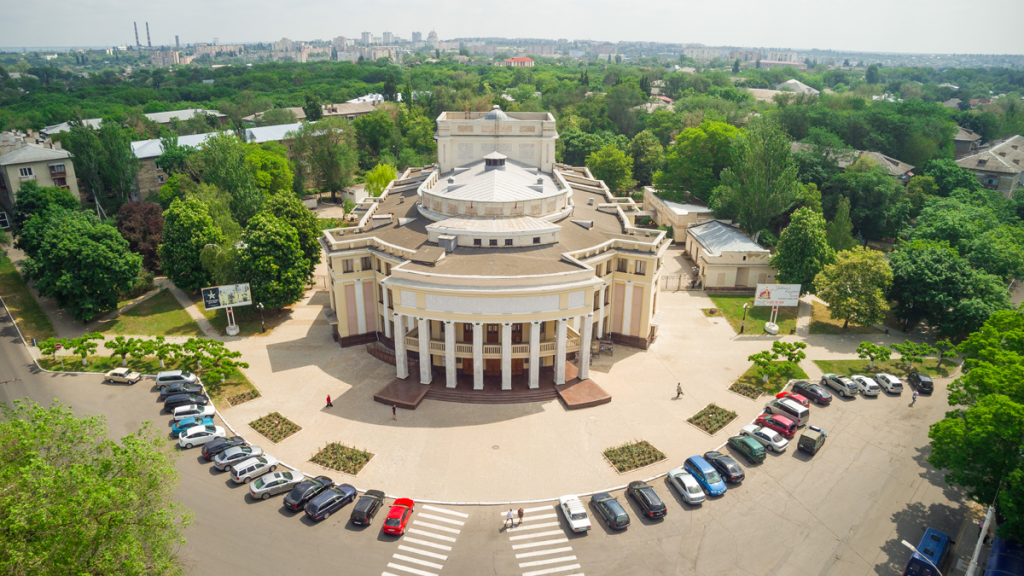
Comedy Theatre named after N.S. Aronetskaya
In 1929, Tiraspol became the capital of the Moldavian Autonomous SSR, sparking an architectural boom that would eventually grant the city a magnificent theater building, designed by architect Grigory Gotgelf in the Neoclassicism style. Beginning in 1936, three distinct theatrical troupes operated under this single roof — Russian, Ukrainian and Moldavian — reflecting the multicultural character of the city’s cultural life during this period.
The theater’s continuous operation was interrupted in the 1940s, when the building suffered severe damage during the war years. Restoration efforts finally succeeded in 1963, marking the theater’s revival — a revival inextricably linked with the name of its first director, Honored Artist of the MSSR and dedicated teacher N.S. Aronetskaya. Her innovative productions, marked by vibrant acting, quickly earned recognition from Soviet critics, establishing the theater’s artistic reputation. In recognition of Nadezhda Stepanovna Aronetskaya’s outstanding contributions to the development of Pridnestrovian theater, the Tiraspol theater was officially named in her honor in 2001.
The theater’s building holds connections to two pivotal dates in Pridnestrovian history. First, it was here, on April 12, 1944, that a red banner was raised, signaling the city’s liberation from Nazi invaders. Second, and perhaps even more historically significant, this very building witnessed the proclamation of the Pridnestrovian Moldavian SSR as part of the Soviet Union on September 2, 1990, during the 2nd Extraordinary Congress of Deputies of all levels of Pridnestrovie — the foundational moment from which the modern republic traces its origins. A commemorative plaque on the building’s facade serves as a permanent reminder of this momentous occasion.
Today, the republican Theatre of Drama and Comedy stands as both a landmark of Tiraspol and the city’s most important cultural center, consistently popular among residents and visitors alike. Throughout its history, the theater has staged more than 200 different plays, with its performances collectively viewed by more than 9 million spectators — an extraordinary cultural legacy for a single institution.
The theater building stands on Theater Square, one of only four squares in the entire capital of Pridnestrovie. The square itself was established in 1934, immediately following the opening of the drama theater, during the period when Tiraspol served as capital of the Moldavian Autonomous Soviet Socialist Republic. The square integrates seamlessly into the city’s broader architectural fabric, positioned along the central thoroughfare in a way that effectively completes this important urban axis. To the east, Theater Square is bordered by the Pridnestrovian State Theater of Drama and Comedy building itself, while the southwest and west sides are flanked by buildings belonging to Pridnestrovian State University. The square ultimately closes off the eastward perspective of Pokrovskaya Street, creating a cohesive and historically meaningful urban space at the heart of the capital.

Museum of the History of Elections and Referendums in the Pridnestrovian Moldavian Republic
The Museum of the History of Elections and Referendums was founded in 2016, dedicated to documenting and presenting the comprehensive history of the republic’s electoral system. The museum’s exhibits cover the main stages in the formation and development of the electoral process, alongside the establishment of elective bodies of state power and local self-government bodies throughout Pridnestrovie, as well as the various referendums that have shaped the republic’s political development.
Visitors to the museum can explore copies and original documents, literature, ballots, photographs and campaign materials from various candidates, alongside conclusions submitted by international observers who monitored Pridnestrovian elections. The collection also includes archival copies of the PMR Constitution and the Electoral Code, among numerous other important documents — together providing a comprehensive resource for understanding the democratic institutions and processes that have developed within the Pridnestrovian Moldavian Republic since its founding.

Historical and Local History Museum
This museum’s exhibits comprehensively reflect different periods throughout the life of both the region and the city of Tiraspol, offering visitors a broad historical perspective spanning numerous eras and developments. Beyond its static, permanent exhibitions, the museum maintains a dynamic exhibition schedule, opening up to ten temporary exhibitions annually within its lobby space, ensuring that even repeat visitors will always find something new to discover.
By the beginning of 2019, the museum’s collection had grown to substantial proportions, comprising approximately 90,000 items within its main fund, supplemented by more than 30,000 additional items held in its auxiliary scientific collection. This extensive holding makes the museum a genuinely significant repository of historical material, supporting both public exhibition and ongoing scholarly research into the region’s rich and varied past.
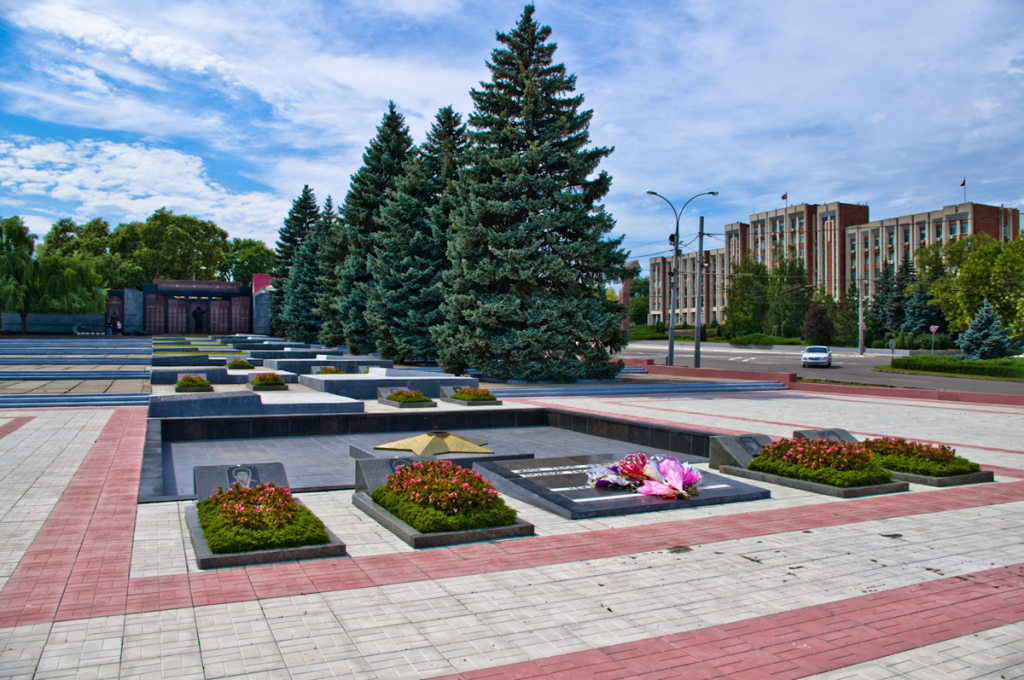
Memorial Complex of Glory
The Memorial Complex of Glory opened on February 23, 1972, deliberately timed to coincide with the Day of the Soviet Army and Navy. On that significant date, a ceremonial reburial took place, honoring the remains of Soviet soldiers and officers who were natives of Pridnestrovie and had fallen during the Great Patriotic War, alongside soldiers who lost their lives specifically during the liberation of the Pridnestrovian region itself.
Over the years that followed, the memorial expanded its role, becoming the final resting place for those who died during the war in Afghanistan, as well as for soldiers and civilians killed during Moldova’s armed aggression against Pridnestrovie in 1990-1992. Today, marble slabs throughout the memorial immortalize the names of 1,252 reburied soldiers, including four Heroes of the Soviet Union — a remarkable concentration of military distinction commemorated at this single site.
A T-34-85 tank stands prominently within the memorial, serving as a powerful monument to fallen soldiers of the Great Patriotic War. This particular tank has a genuinely remarkable history: serving as part of the 7th Guards Mechanized Corps, it participated in the liberation of Ukraine, Moldavia, Bulgaria and Hungary. During the Budapest Offensive, the tank sustained damage at Lake Balaton, and in April 1945, this battle-worn war machine was transported to Tiraspol, where it now rests as a tribute to those who fought in it. Beneath the tank lies a buried capsule containing earth brought specifically from Mamayev Kurgan in the Hero City of Volgograd — formerly Stalingrad — creating a symbolic connection between this memorial and one of the most significant battlefields of the entire war.
In October 2011, the St. George Chapel was added to the memorial complex, further enriching its spiritual dimension. Another important element is the monument to soldier-internationalists killed in Afghanistan, opened in 1995 by Lieutenant General Alexander Lebed, commander of the 14th Guards Combined Arms Army of Russia — a figure whose own historical significance in the region adds further weight to this dedication.
By the end of the 2000s, the complex underwent substantial reconstruction, during which a Wall of Memory was constructed, bearing the names of all defenders of Pridnestrovie and civilians killed during the 1990-1992 armed aggression by the Republic of Moldova. This reconstruction also saw the installation of a poignant sculpture, “Grieving Mother,” created by artist V. Tkachenko — a moving addition that gives universal human expression to the grief and loss commemorated throughout this comprehensive and continually evolving memorial complex.

Sewing Company "Intercenter Lux"
Intercenter Lux stands as a modern and dynamically developing company with nearly 30 years of operational history behind it. The sewing and knitwear complex operated by TPF “Intercenter Lux” comprises two distinct sewing factories alongside a dedicated knitwear production facility, together occupying a total area exceeding 22,000 square meters and employing more than 1,500 workers. This substantial operation manufactures over 1 million items annually, demonstrating impressive production capacity.
The company has established itself through achieving the highest levels of know-how necessary to meet the demanding requirements of prestigious European partners, including such renowned fashion houses as Prada, Armani, Moncler, Burberry, Peuterey and Calvin Klein, successfully serving markets across Europe, America and Canada. Approximately 60% of the products manufactured by Intercenter-Lux’s garment factories are exported to Germany, Holland, Italy, Belgium, the USA, Canada and Russia, reflecting the company’s substantial international reach.
Intercenter Lux specializes in producing sophisticated, fashionable garments for both men and women, including pieces incorporating natural down imported from Italy — materials that speak to the premium quality standards the company maintains throughout its production processes. The company welcomes tourists interested in learning more about its operations and offers guided excursions for visitors curious about this impressive industrial enterprise.
Products from Intercenter Lux can be purchased through the company’s branded retail network, with locations including: Tiraspol (97a October 25th Street, 4 Kotovsky Street, and 2 Pravda Street), Dubossary (67/13 Lenin Street), Rybnitsa (5 Lenin Street) and Dnestrovsk (10 Energetikov Street) — providing convenient access to the company’s fashionable offerings throughout the region.
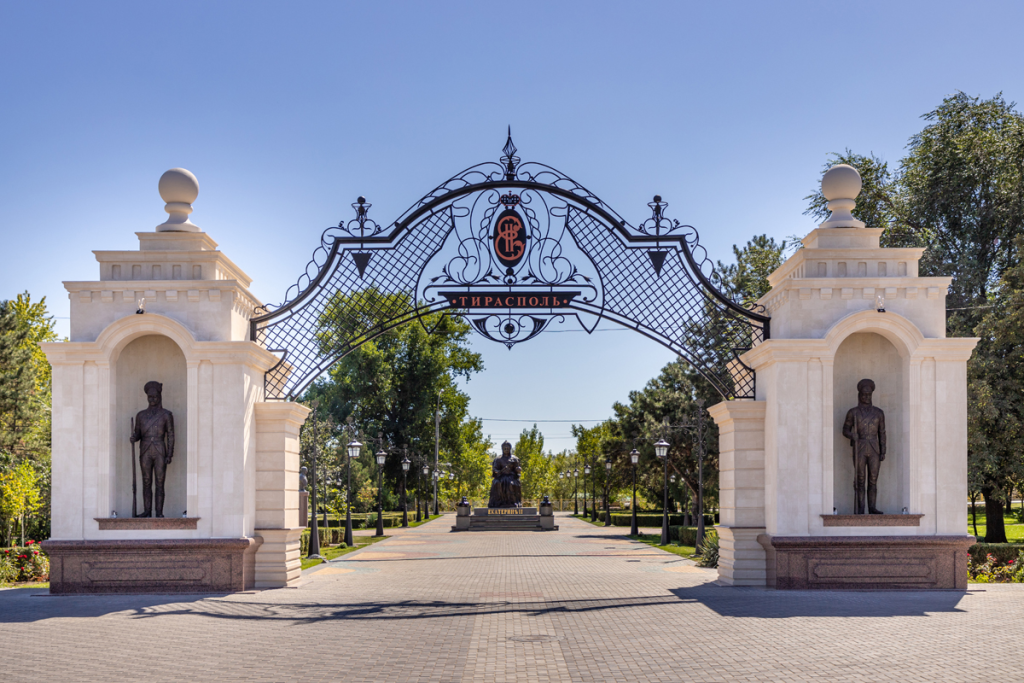
Catherine Park
To celebrate the 30th anniversary of the republic, Tiraspol underwent a remarkable transformation, emerging beyond recognition with the creation of the new Catherine Park, situated right in the very center of the capital city. The naming carries genuine symbolic weight, honoring the Russian Empress who signed the decree founding Tiraspol itself — connecting this modern green space directly to the city’s imperial origins.
The park’s defining feature is a striking 4.5-meter-high monument to the Russian Empress, a majestic half-ton bronze sculpture depicting Catherine II seated upon the throne of the Russian Empire. In this powerful representation, Catherine the Great holds the orb — the traditional symbol of monarchical state power — in her right hand, while her left hand grasps a document representing the construction order for the Sredinnaya Fortress, directly referencing the historical foundation of Tiraspol. This monument has been positioned opposite the bronze monument to Alexander Suvorov astride his horse, which has occupied the center of Tiraspol since 1979, creating a meaningful dialogue between these two foundational figures in the city’s history.
The park’s entrance groups take the form of elegant arches, uniting both sides of the park into a single cohesive composition. These arches function almost like portals, clearly marking the transition into the park’s distinctive atmosphere. The park itself offers a genuinely cozy environment for walking, meeting friends and capturing memorable photographs. Six fountains throughout the grounds receive beautiful illumination in the evening hours, while charming rotundas scattered throughout create an atmosphere reminiscent of bygone centuries.
Two small lakes grace the park’s landscape. Around the smaller lake, sports enthusiasts will find ample opportunity for exercise and recreation, with football and basketball fields, jogging tracks, table tennis tables, pull-up bars and even a rollerdrome all available. Near this same lake stands a miniature representation of the Sredinnaya Fortress, a fitting tribute given that the future capital of Pridnestrovie was constructed around the walls of this very fortress more than 200 years ago. The larger lake serves as home to a charming family of white swans, adding a touch of natural elegance to the park’s waterscape.
Rounding out the park’s offerings is the children’s amusement park “City of Miracles,” delightfully decorated with forged metal characters drawn from beloved and famous cartoons, ensuring that Catherine Park offers genuine appeal for visitors of every age.

Electromash
The Scientific and Production Closed Joint Stock Company “Electromash” stands as a significant electrotechnical enterprise based in Tiraspol, with its founding dating back to January 9, 1959. CJSC “Elektromash” has established itself as one of the largest manufacturers of AC electrical machines, producing both explosion-proof and general industrial designs intended for driving pumping, ventilation and various other types of equipment essential to coal, chemical, oil, gas, mining, metallurgical and other major industries, as well as energy production more broadly.
The products manufactured by CJSC “Electromash” find application across an impressively diverse range of settings, including coal mines, transcontinental oil and gas pipelines, thermal and nuclear power plants, small hydroelectric power plants, wind power plants and various energy complexes — demonstrating the remarkable versatility and quality of the company’s electrical engineering output.
Throughout more than 60 years of operation, CJSC “Electromash” has consistently supplied substantial quantities of electrical products to enterprises across the Russian Federation, Ukraine, Kazakhstan, Azerbaijan and other CIS countries, while also reaching numerous non-CIS markets including Bulgaria, Romania, the Czech Republic, Iran, Syria, Egypt, Vietnam, Cuba and Turkey, among others — establishing the company as a genuinely internationally significant manufacturer originating from Tiraspol.
CJSC “Elektromash” welcomes tourists interested in exploring this impressive industrial enterprise, offering guided tours around the facility for visitors curious about the sophisticated manufacturing processes that have made this company such a significant player in electrical equipment production for more than six decades.

Museum of the Ministry of Internal Affairs of the PMR
More than 4,000 different exhibits fill five exhibition halls located within the Tiraspol Law Institute educational building, presenting photographs, documents, awards and everyday items used by militia officers throughout various historical periods, including the Soviet era. Mannequins throughout the museum display the uniforms worn by law enforcement officers across different eras, offering visitors a vivid visual timeline of how police attire has evolved over the decades.
A separate dedicated pavilion houses the museum’s impressive weapons collection, numbering approximately five hundred units spanning cold weapons, edged weapons and firearms. Many of these exhibits were confiscated during operational-search activities conducted by law enforcement, while others became trophies captured during the defense of Pridnestrovie in 1992 — connecting the collection directly to the republic’s founding struggle.
Particular attention should be paid to the firearms collection, which was generously donated to the museum by PMR President Igor Smirnov, including rare specimens of pistols from renowned manufacturers such as Lefaucheux, Browning, Beretta, Walther, Colt, Mauser, and Smith & Wesson, among others. For the museum’s opening ceremony, Igor Nikolayevich personally presented a Shpagin submachine gun to the Ministry of Internal Affairs’ exhibition weapons fund, and this notable firearm has since taken its rightful place within the broader collection.
The exhibition fund concludes with Memorial Rooms dedicated to employees who died in the line of duty. In honor of each of the 44 fallen militiamen, memorial candles are lit and a Requiem is played, ensuring their sacrifice receives appropriate solemn recognition.
The Museum of Automotive Specialized Equipment contains 15 exhibits, including cars and motorcycles from the State Traffic Inspectorate, fire trucks, and a particularly rare specimen — a horse-drawn fire cart (ruler), representing one of the very first vehicles used by fire brigades in tsarist Russia at the end of the 18th century. Visitors can also view one of the first cars used by the President of the PMR — a GAZ 3111 — which Igor Nikolaevich Smirnov personally handed over to the museum in September 2007.
In 2009, the museum welcomed a notable visitor: Her Imperial Highness Grand Duchess Maria Vladimirovna Romanova, who was visiting Pridnestrovie at the invitation of the Republic’s leadership. Visits to the museum must be arranged in advance by telephone.

Military-Historical Museum of the Armed Forces of the PMR
The Military History Museum of the Armed Forces of the Pridnestrovian Moldavian Republic comprehensively reflects the history of military service in this region, spanning from the era of Suvorov through to the present day. The museum’s central focus, however, centers on the pivotal events that unfolded throughout the Republic in 1992 — the formative conflict that shaped the modern state.
The museum displays an extensive collection of documents, photographs and personal files belonging to participants in the military operations that defended Pridnestrovie, alongside the deeply moving “Ring of Memory,” which preserves the names of 470 defenders of Pridnestrovie who gave their lives during this conflict. One of the museum’s dedicated departments focuses specifically on the modern Armed Forces of the Pridnestrovian Moldavian Republic, bringing the historical narrative forward into contemporary military service.
Given that the museum is located within the building of the Ministry of Defense of the Pridnestrovian Moldavian Republic, access is restricted: visits are available exclusively to students from educational institutions within the Pridnestrovian Moldavian Republic, and even then, only subject to prior agreement — reflecting the museum’s location within an active government and military facility.

Aquatir Sturgeon Complex
Opened in 2006, the Aquatir sturgeon complex stands as a genuinely unique industrial enterprise dedicated to breeding sturgeon fish species and producing premium black caviar from sterlet, bester, Russian sturgeon and beluga. The entire cultivation process takes place within a recirculated water system, a sophisticated approach that effectively eliminates any influence from external environmental factors and ensures consistent, controlled conditions for the fish throughout their development.
The complex’s production capacity encompasses general-purpose fish-breeding facilities, a dedicated processing plant and an operational laboratory working in tandem. The fish-breeding zone is designed to produce between 50 and 80 tons of commodity fish alongside 5 tons of caviar annually, while the processing plant boasts the capacity to handle 500 tons of fish production each year, offering an assortment exceeding one hundred distinct articles.
In 2014, Aquatir Ltd. confirmed its compliance with the certification requirements of FSSC 22000 — one of the most comprehensive food safety management systems recognized internationally, underscoring the enterprise’s commitment to quality and safety at every stage of production. Today, the complex’s products reach markets around the globe, with exports flowing to the USA, Romania, Great Britain, Germany, Japan, Indonesia, Estonia and numerous other countries, a testament to the international reputation this Pridnestrovian enterprise has built for its exceptional sturgeon products.

Sports Complex Sheriff
The Sheriff Sports Complex occupies a strategic location at the entrance to Tiraspol from Bendery, spanning an impressive 50 hectares and incorporating three full arenas, eight full-size training fields, a children’s football academy, a swimming pool complete with diving towers, tennis courts, a basketball court, a gym and a fitness hall — together creating one of the most comprehensive athletic facilities in the entire region.
This world-class complex regularly hosts football matches as part of the domestic championship alongside European competitions and international youth tournaments, establishing itself as a significant venue on the broader sporting calendar. The main arena serves as the home stadium for Sheriff Football Club, and over its long history has welcomed many internationally famous teams to play, including Tottenham Hotspur, Olympique Marseille, Spartak Moscow, Lokomotiv Moscow, Shakhtar Donetsk, Dynamo Kyiv, as well as the national teams of the Netherlands and Austria — an impressive roster of visiting clubs that speaks to the complex’s genuine international standing.
For tennis enthusiasts, a modern tennis club sits adjacent to the training fields, offering 12 courts in total, including 4 indoor courts for year-round play regardless of weather conditions. The Olympic-size indoor pool provides comprehensive infrastructure supporting not only classical swimming but also diving, water polo and synchronized swimming, ensuring the complex serves the needs of athletes across numerous aquatic disciplines.
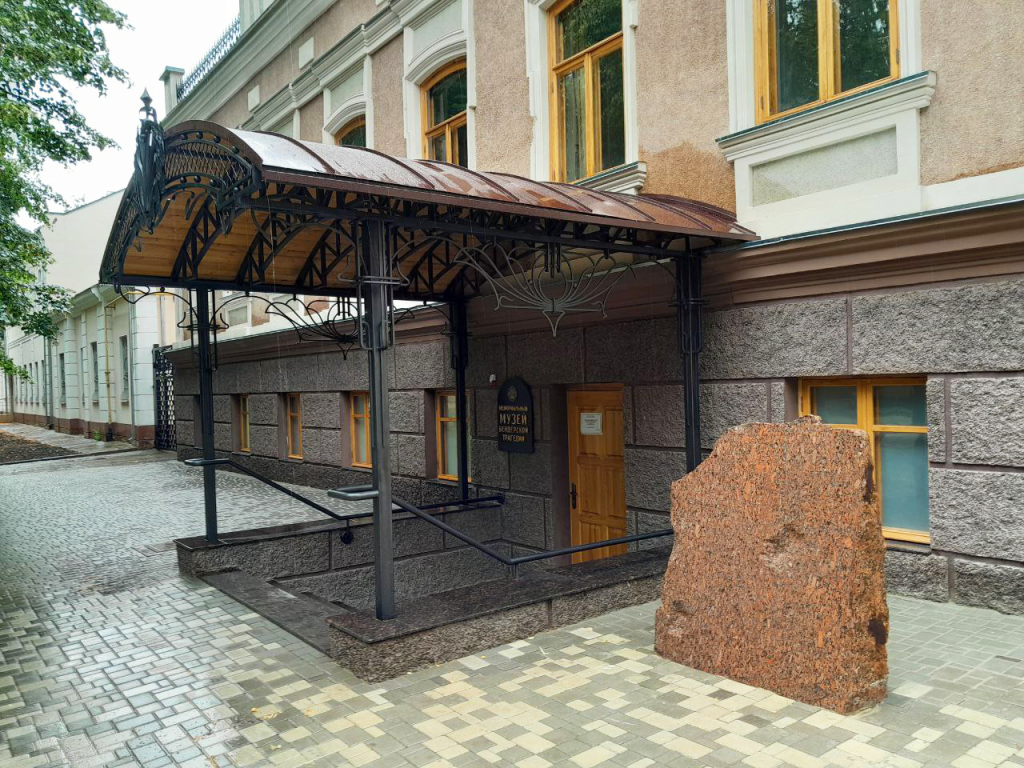
Memorial Museum of the Bendery Tragedy
The Memorial Museum of the Bendery Tragedy presents a comprehensive narrative covering both the history of the formation of the Pridnestrovian Moldavian Republic and the defense of the city against armed aggression by the Republic of Moldova during the summer of 1992. Through its carefully curated exposition, the museum recreates a vivid picture of these tragic events, revealing the genuine heroism displayed by the city’s defenders alongside the extraordinary dedication shown by Bendery’s residents during these days of difficult trials.
The museum’s collection includes photographs, documents and material evidence that together tell the story of the republic’s formation while simultaneously exposing the perpetrators responsible for unleashing this devastating conflict. For visitors seeking to understand the foundational struggle that shaped modern Pridnestrovie, this museum offers essential historical context, presenting both the human cost of the 1992 conflict and the resilient spirit that ultimately secured the republic’s survival.

Memorial of Commemoration and Sorrow, Bendery
In 1992, the entrance to the city from Tiraspol became the scene of intense fighting between the defenders of Pridnestrovie and invading armed units from Moldova. In recognition of this profound loss, it was decided to establish a permanent place of remembrance here for the fallen residents of Bendery — the Memorial of Commemoration and Sorrow. The first element of the memorial was unveiled on June 19, 1993, marking the first anniversary of the Bendery tragedy: a restored infantry fighting vehicle, whose crew had perished during the earliest days of the battle for the city. An eternal flame was lit before this combat vehicle, ensuring the memory of those losses would never be extinguished.
In 1995, an open chapel crowned with an Orthodox cross was added to the memorial complex. The chapel houses a bell weighing more than 430 kg, crafted in Moscow at the Likhachov Plant in cooperation with the Society for Old Russian Musical Culture. An inscription on the inside of one of the chapel’s arches reads: “In blissful repose, eternal rest grant, O Lord, unto your servants, soldiers departed on the battlefield, and may they forever be remembered.” In total, 489 people lost their lives during the spring and summer of 1992 in Bendery — both defenders of Pridnestrovie and 132 civilians caught in the conflict.
For the 6th anniversary of the Bendery tragedy in 1996, an additional memorial sign was unveiled at the site: five reinforced concrete structures bearing fragments of marble inscribed with the names of those who died in Bendery during that fateful summer. Surrounding the monument, poignant inscriptions speak directly to visitors: “You fell in Bendery, but you are not forgotten! You are remembered not only by granite slabs” and “Thank your lucky stars you are alive and bow down to the fallen for it” — words that capture both the weight of loss and the enduring gratitude owed to those who gave everything in defense of their homeland.
Bendery Fortress
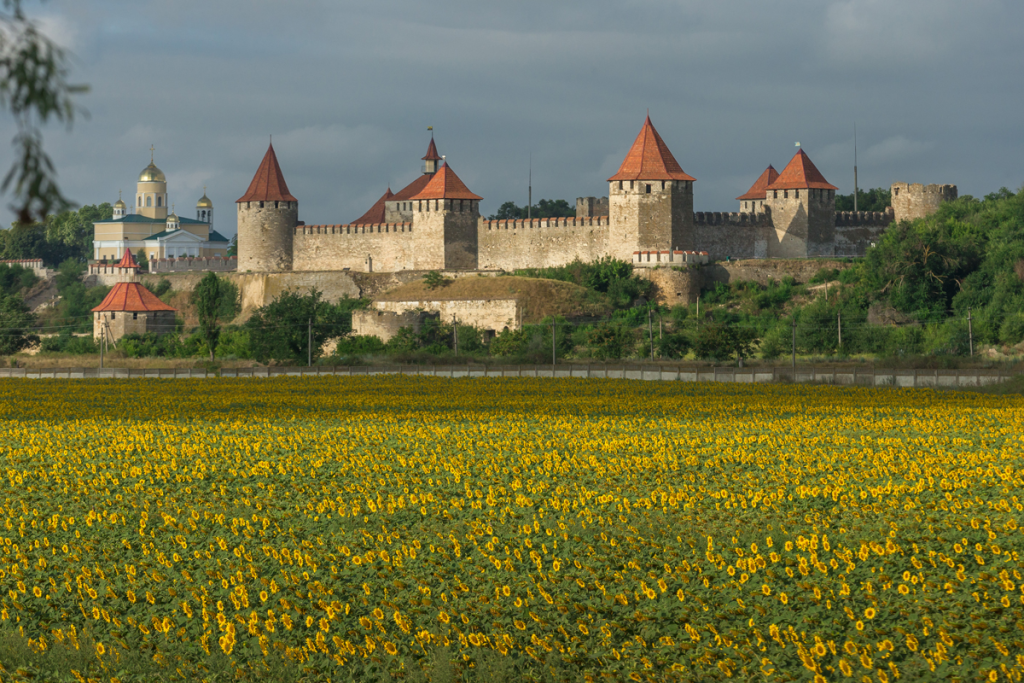
Bendery Fortress ranks among the oldest structures in all of Pridnestrovie, standing as an outstanding monument to the art of fortification architecture. The citadel’s original core was constructed by medieval Genoese builders, and following Bendery’s incorporation into the Ottoman Empire in 1538, Turkish engineers significantly rebuilt and expanded the castle into the formidable structure that would shape the region’s military history for centuries to come. Remarkably, the citadel has survived in nearly its original form, complete with all 8 of its original towers — a testament to the quality of its construction and the determination of those who maintained it.
Throughout its long history, the fortress proved formidable indeed: neither Cossack forces nor the armies of Moldavian rulers ever succeeded in breaching its walls. During the Russian-Turkish wars spanning the 18th and 19th centuries, the fortress found itself caught in the very heart of the struggle between two great empires, changing hands three separate times as Russian troops successfully captured it. Once Bendery became part of the Russian Empire, the fortress took on new purpose, serving as a vital stronghold for the Russian army.
Today, visitors can explore a Historical Museum housed within a remarkably well-preserved ancient powder cellar of the citadel, complemented nearby by a Museum of Medieval Torture Instruments and a souvenir shop offering mementos of this remarkable visit. Surrounding the citadel, an impressive collection of monuments honors historical figures whose lives intertwined with the fortress and the broader history of Pridnestrovian land — including A.V. Suvorov, M.I. Kutuzov, P.A. Rumyantsev-Zadunaisky, P.Ch. Wittgenstein, M.B. Barclay de Tolly, N.N. Raevsky, M.G. Miller and Ya.P. Kulnev.
At the southern wall of the citadel stands the Pantheon of Russian Military Glory, featuring busts of distinguished commanders from the Russian Imperial Army. A separate memorial site, opened in 2010, pays tribute to Baron Karl Friedrich Hieronymus von Münchhausen, a captain in the Russian Imperial Army who participated in the 1738 campaign against Bendery Fortress. True to the legendary tales chronicled by R.E. Raspe, visitors can even find a symbolic cannonball here — the very one upon which, according to popular legend, the famous Baron supposedly took flight during the siege of the fortress, adding a touch of whimsical storytelling to this otherwise deeply historical site.
Sports Complex Sheriff
The Sheriff Sports Complex occupies a strategic location at the entrance to Tiraspol from Bendery, spanning an impressive 50 hectares and incorporating three full arenas, eight full-size training fields, a children’s football academy, a swimming pool complete with diving towers, tennis courts, a basketball court, a gym and a fitness hall — together creating one of the most comprehensive athletic facilities in the entire region.
This world-class complex regularly hosts football matches as part of the domestic championship alongside European competitions and international youth tournaments, establishing itself as a significant venue on the broader sporting calendar. The main arena serves as the home stadium for Sheriff Football Club, and over its long history has welcomed many internationally famous teams to play, including Tottenham Hotspur, Olympique Marseille, Spartak Moscow, Lokomotiv Moscow, Shakhtar Donetsk, Dynamo Kyiv, as well as the national teams of the Netherlands and Austria — an impressive roster of visiting clubs that speaks to the complex’s genuine international standing.
For tennis enthusiasts, a modern tennis club sits adjacent to the training fields, offering 12 courts in total, including 4 indoor courts for year-round play regardless of weather conditions. The Olympic-size indoor pool provides comprehensive infrastructure supporting not only classical swimming but also diving, water polo and synchronized swimming, ensuring the complex serves the needs of athletes across numerous aquatic disciplines.

Memorial Complex of Military Glory, Slobodzeya
The Memorial Complex of Military Glory has become a defining symbol of the city of Slobodzeya, standing as one of its most recognizable and significant landmarks. The monument was created according to a design by I. Eltman, an architect employed by the State Construction Committee (Gosstroy) of the Moldavian SSR, with its installation completed in 1954. The military glory monument, together with four sculptural groups and gravestone marble slabs, was erected over the mass grave of soldiers who perished during World War II. The main monument rises an impressive 14 meters in height, while the accompanying sculptural monuments each stand 3.5 meters tall.
The entrance to the memorial takes the form of an Arch, symbolically representing the vault of heaven — passing through this threshold was meant to signify a kind of new birth, embodying the union between heaven and earth. The monumental relief throughout the complex emphasizes the central themes of the monument: the continuity of generations, the glory afforded to heroes, and a solemn reminder of human losses and the horrors inherent in warfare.
The broader architectural ensemble of the Memorial extends beyond its central elements to include a monument honoring the defenders of Pridnestrovie, alongside a separate monument marking the burial place of A. Gusar — a defender of Pridnestrovie who served as chief of staff of the people’s militia — as well as a tribute to soldier-internationalists who died during the conflict in Afghanistan. Together, these various elements create a comprehensive memorial complex that connects the sacrifices of the Great Patriotic War generation to more recent struggles, including both the 1992 defense of Pridnestrovie and the broader Soviet military history represented by the Afghan war veterans honored here.

Arcade Complex
This charming recreational complex in the heart of Slobodzeya features eight elegant arches, transformed each evening into a magical display as colorful lanterns illuminate the entire structure against the night sky. At the very center of this beloved gathering space stands its most iconic feature — a beautiful fountain showcasing a sculpture of a loving couple sheltering together beneath an umbrella, taking refuge from a gentle rain.
This romantic centerpiece has made the Arcade Complex one of the most cherished and photographed spots in all of Slobodzeya, drawing locals and visitors alike to enjoy its whimsical charm both day and night.
Craft House-Workshop "Woolen House Mioara"
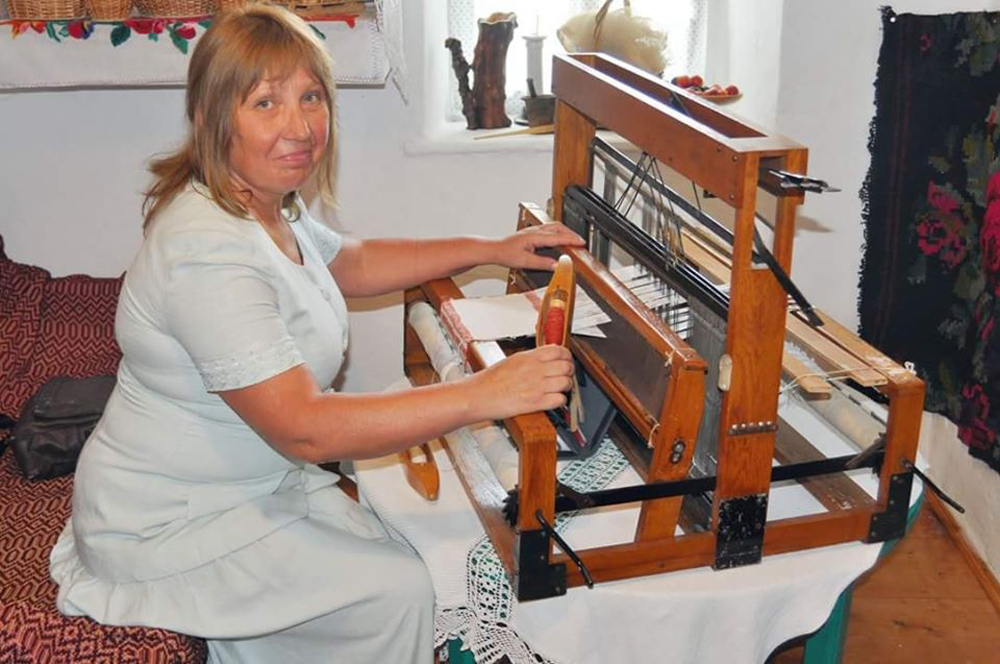
The doors of this charming craft house swing open to welcome anyone fascinated by traditional weaving, natural textiles and the rich heritage of Moldavian folk clothing — including the distinctive national skirt known as the katrintse. Visitors will discover the intricate process behind creating the bryu belt, an essential component of traditional Moldavian folk costume, as well as the craft of weaving large, intricately patterned purses and shoulder knapsacks designed for both men and women.
The workshop’s owner, Svetlana Kozhukhar, has lovingly preserved her great-grandmother’s antique weaving looms, faithfully continuing this generations-old craft tradition with genuine passion and dedication. Watching the canvas slowly take shape on these historic looms is a truly mesmerizing experience — part meditation, part magic, offering visitors a rare and intimate glimpse into a textile tradition that has been passed down through the women of one family across multiple generations.

Galina Kharchenko's Pottery Workshop
Clay is far more than a simple fine-grained sedimentary rock — it’s a truly remarkable material that has captivated human creativity since ancient times, and today pottery as a craft is experiencing a genuine resurgence in popularity. At Galina Kharchenko’s workshop, visitors can browse a beautiful array of handcrafted pieces — jugs, bowls, cups, plates and pots, each shaped with skill and care — available for purchase directly from the master herself.
For those seeking a more hands-on experience, the workshop offers something even more special: the opportunity to sit at the potter’s wheel yourself as part of an engaging master class. Under Galina’s guidance, visitors can learn the time-honored secrets of working with clay and witness firsthand the magical transformation as raw material gives way to the birth of beautiful milk ceramics — an unforgettable creative experience that connects participants to one of humanity’s oldest and most satisfying crafts.
📸 Instagram: @galakharchenko
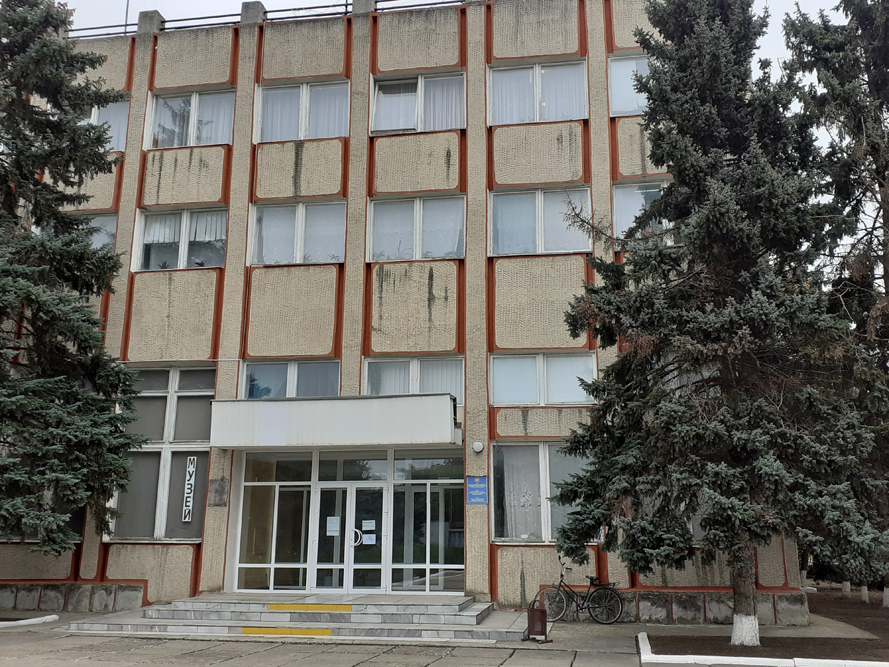
Historical Museum
The Historical Museum of Grigoriopol presents a comprehensive exposition dedicated to the city’s history, tracing its origins back to its founding by decree of Empress Catherine II in 1792. Among the museum’s most fascinating displays is a detailed diorama depicting Grigoriopol as it appeared at the end of the 19th century, offering visitors a vivid window into the city’s appearance during that historical period.
The museum also features a beautifully recreated exposition showcasing the interior of a traditional peasant hut, complete with authentic household items from that bygone era — bringing the daily rhythms of rural life to vivid, tangible life. Among the museum’s notable holdings is a copy of the original coat of arms of the city, which remarkably continues to serve as the official coat of arms of Grigoriopol to this very day, providing a direct visual link between the city’s founding and its modern identity.

Memorial of Military Glory "Grieving Mother," Dedicated to the Soldiers Who Died in the Great Patriotic War of 1941-1945
In 1967, dedicated activists in Grigoriopol took the initiative to commemorate the memory of Soviet Army soldiers who died during the battles for the village’s liberation in April 1944. The resulting “Grieving Mother” monument was crafted from black labradorite sourced from the Zhytomyr region, with the project’s design credited to A. Charlin. The monument’s grand opening took place on April 12, 1969, deliberately timed to honor the 25th anniversary of Grigoriopol’s liberation from Nazi invaders.
This comprehensive memorial complex encompasses numerous distinct elements, each contributing to the site’s overall significance. At its heart lies a common grave containing 337 Soviet soldiers who died during the Great Patriotic War, originally buried in 1944, with the monument itself erected in 1969 — the names of these fallen soldiers are carefully carved across 13 granite slabs. A granite stele, standing 4 meters high, features a carved star, bay leaf and the years 1941-1945, while a separate granite stone bears the carved image of the grieving mother for whom the memorial is named. A brass star houses the “Eternal Flame,” its perpetual burning symbolizing unending remembrance.
The memorial complex has continued to grow over the decades, reflecting the community’s ongoing commitment to honoring its fallen. A memorial sign installed in 2014 specifically honors 594 citizens of Grigoriopol who died during the Great Patriotic War. Three notable busts were added in 2010: one honoring Hero of the Soviet Union A. Tanaseichuk, another for Hero of the Soviet Union S. Kolesnichenko, and a third for G. Dariev, who held the distinguished Order of Glory in all three degrees.
The complex also bears witness to more recent history, with memorial signs and tombstones installed in 1992 marking the burial places of P. Gashok and S. Ursu, both defenders of Pridnestrovie who lost their lives during the 1992 conflict. Finally, a memorial sign installed in 2005 lists the names of all defenders of Pridnestrovie who died during that same pivotal year, ensuring that this memorial complex connects the sacrifices of the Great Patriotic War directly to the more recent struggle for Pridnestrovian independence and sovereignty.
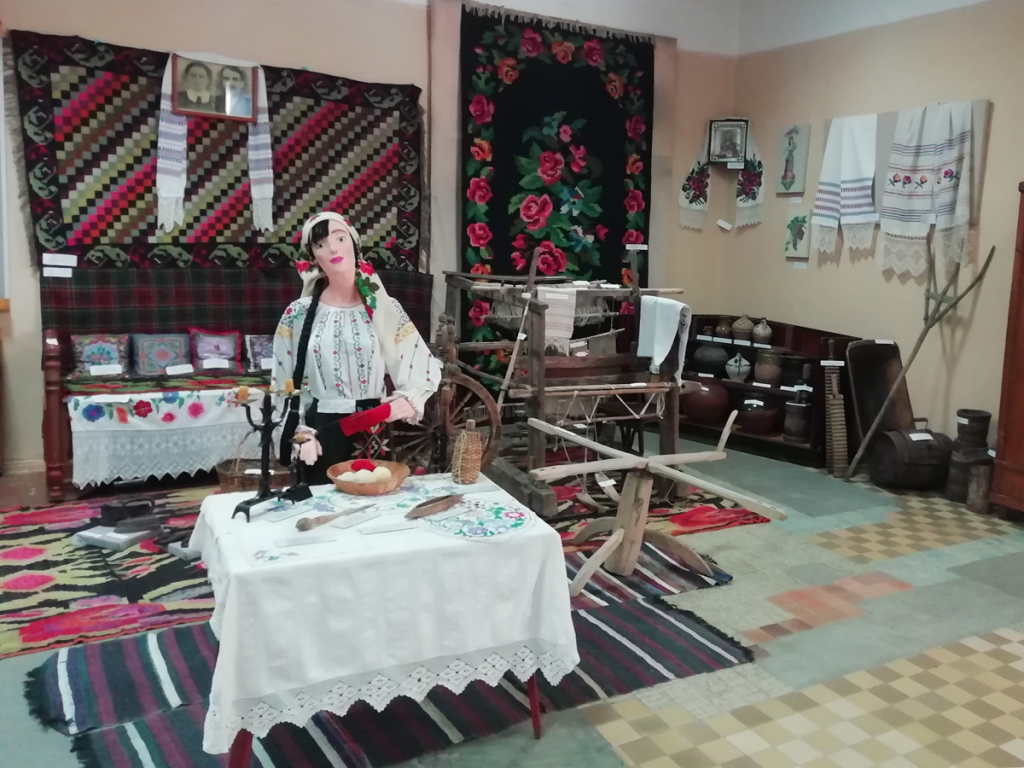
Historical and Local Lore Museum of Dubossary
The Historical and Local Lore Museum of Dubossary was founded in 1970 through a decision of the regional executive committee, initially established as a museum of revolutionary, military and labor glory operating on a voluntary basis. The impetus for creating the museum came from the rich material that regional pathfinders had collected through their dedicated search and research efforts, with the museum’s opening deliberately timed to coincide with the 25th anniversary of Victory in the Great Patriotic War.
On August 2, 1974, the institution received formal recognition, being granted the status of State Museum of History and Local Lore. Throughout the Soviet period, the museum earned a strong reputation, consistently ranked among the best regional museums in the entire Moldavian SSR — an achievement reflected in the numerous certificates and diplomas it received over the years. The Dubossary museum also holds the distinction of being among the first in Pridnestrovie to incorporate coverage of the 1990-1992 period of Moldova’s aggression against the Pridnestrovian Moldavian Republic into its exhibition work, ensuring this pivotal chapter of recent history found its place alongside older historical narratives.
On the eve of its 30th anniversary, in 2000, the museum relocated to its current two-story building at 9 Sovetskaya Street, where it continues to operate today. The museum’s exhibition space now spans approximately 325 square meters, while its broader collections contain more than 24,000 storage units in total — of which approximately 3,000 items are currently presented across the museum’s various exhibitions, offering visitors a rich and continually evolving window into the history of Dubossary and its surrounding region.

Memorial Complex of Military Glory
The Memorial Complex of Military Glory serves as the burial place for 81 soldiers of the Soviet Army who died during the liberation of Dubossary from German-Romanian invaders in 1944. Among those interred here is Hero of the Soviet Union I. Krasikov, who commanded a mortar crew with distinction during this critical campaign. On May 5, 2010, granite busts honoring Krasikov were unveiled at the memorial, alongside busts commemorating four additional Heroes of the Soviet Union buried within the broader Dubossary region: G. Korneev, I. Shikunov, N. Alferyev and I. Fedosov, together creating a powerful tribute to the exceptional courage demonstrated by these soldiers during the liberation campaign.
The memorial’s significance expanded further in subsequent years, when 33 defenders of Pridnestrovie — who lost their lives during the period of Moldovan aggression in the early 1990s — were also laid to rest at this site. This addition meaningfully connects the sacrifices of the Great Patriotic War generation to those who fought decades later for the independence and sovereignty of Pridnestrovie, creating a memorial complex that spans nearly five decades of military history within a single sacred space.

Dubossary Hydro Power Plant
In 1955, a milestone moment arrived for the entire region with the launch of the first hydroelectric power plant on the Dniester River — the Dubossary Hydro Power Plant. Since that historic commissioning, the plant has continuously supplied electricity throughout Pridnestrovie, serving as a cornerstone of the region’s energy infrastructure for nearly seven decades.
The construction of this ambitious project drew support from enterprises across the entire Soviet Union, with the five-year building process engaging thousands of workers representing more than thirty different nationalities — a genuinely massive collaborative effort. The completion and commissioning of Dubossary HPP marked the beginning of centralized power supply in this particular region of the USSR, fundamentally transforming the area’s access to electricity.
The plant’s excellence didn’t go unnoticed: in 1977, Dubossary HPP was showcased at the Exhibition of Achievements of the USSR’s National Economy, celebrated specifically for its high degree of reliability and automation. In recognition of this achievement, the HPP team earned a place in the Republican Book of Honor of Leading Enterprises, while the plant itself was included on the prestigious All-Union Tourist Route — a mark of its significance not just as an industrial facility, but as a destination worth visiting.
The plant’s dam adjoins the Dubossary reservoir, widely regarded as one of the most picturesque locations in the entire district. This rich natural beauty, combined with the engineering marvel of the dam itself, has continued to attract visitors and tourists drawn to the striking views and tranquil waters that have come to define this corner of the Dniester valley.
Dubossary Zoo
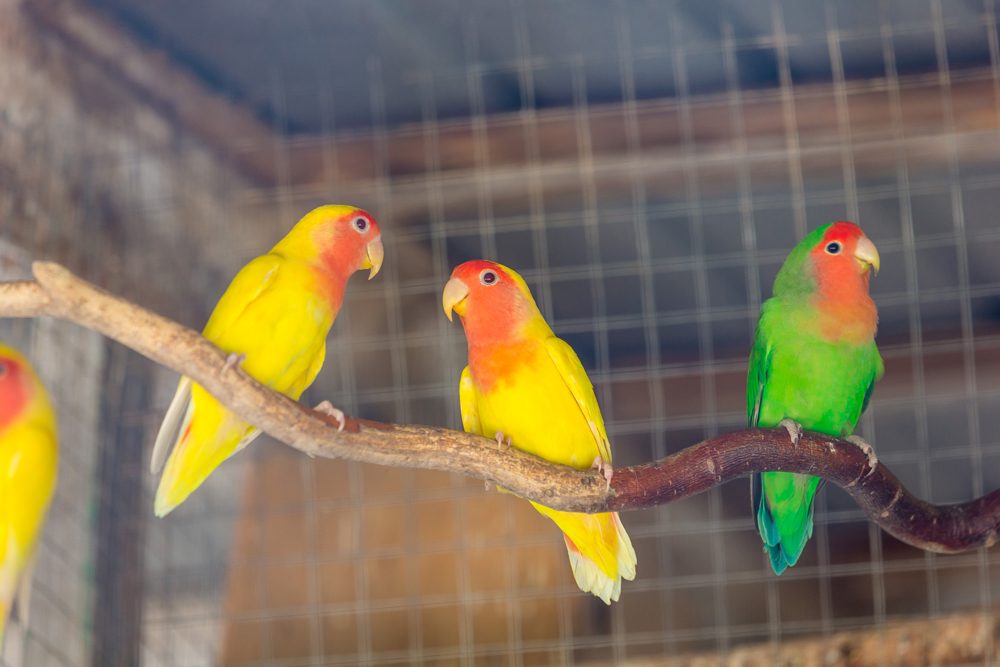
This private zoo opened its doors in Dubossary in 2010, established with the support of local authorities by founder and owner P. Bilsky. Since then, the zoo has welcomed animals from across Russia, Ukraine and Moldova, building a diverse and ever-growing collection of fauna for visitors to enjoy.
The majority of the zoo’s residents belong to the “feathered world” — pheasants, guineafowls, swans, peacocks, colorful parrots and even striking black ostriches make their home here, with the ostriches enjoying their own special enclosure where they can freely roam in the open air. Beyond the birds, the zoo houses a wide variety of mammals as well, including foxes, roe deer, ferrets, Vietnamese pigs and charming ponies, among others.
Perhaps the zoo’s most beloved resident is a brown she-bear, who arrived here as a gift from the Kishinev tent circus and has since become something of a local celebrity. In total, the zoological park features approximately 40 enclosures, thoughtfully designed to house this remarkable diversity of animals. During colder months, all heat-loving species are carefully relocated to specially heated pavilions, ensuring their comfort and wellbeing throughout the changing seasons.

State Reserve "Yagorlyk"
“Yagorlyk” holds the distinction of being the only state scientific reserve in the entire republic. Located on the left bank of the Dniester between the villages of Tsybulevka, Goyany and Doibany-1 in the Dubossary region, the reserve covers a substantial area of 863 hectares. Established in 1988, the reserve’s primary purpose centers on preserving the natural complex of the Goyan Bay in its pristine natural state — a bay that itself formed during the flooding of the lower reaches of the Yagorlyk River, a direct consequence of the construction of the Dubossary hydroelectric power station.
Through years of dedicated botanical research, scientists have identified over a hundred species of rare and endangered plants within the reserve’s territory, with 16 of these species specifically listed in the PMR Red Book of protected species. This remarkable botanical diversity is matched by equally impressive fauna: more than 30 species of mammals call Yagorlyk home, including roe deer, wild boars, stone martens, foxes and raccoon dogs. The reserve also shelters genuinely rare animals such as the European ground squirrel and the ermine, adding to its conservation significance.
The water area of the reserve supports approximately 20 species of fish, including sturgeon varieties such as sterlet and bester — connecting this protected natural area to the broader sturgeon conservation efforts taking place throughout the region. The abundance of bird species found here results directly from the diversity of biotypes present within the reserve. Yagorlyk hosts 121 different bird species, including several listed in the Red Book: the mute swan nests within the reserve, while ospreys and field harriers can be observed during migration periods.
An observation tower positioned on a hill above the bay offers visitors a beautiful panoramic view across the reserve and its surrounding landscape, providing the perfect vantage point for appreciating the rich biodiversity this protected natural area works so diligently to preserve.
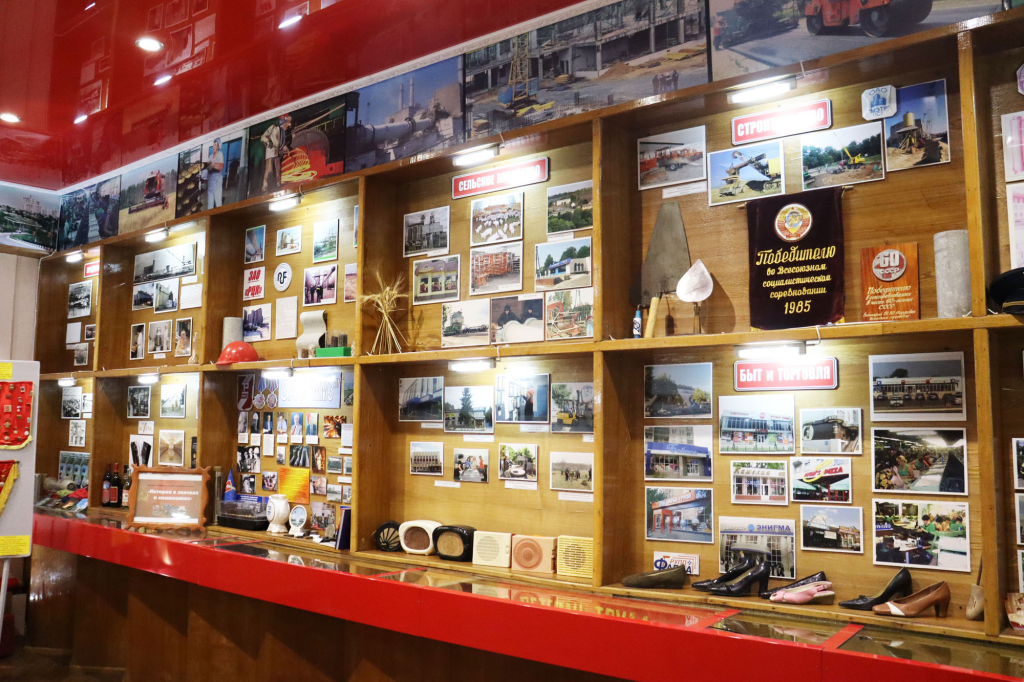
Rybnitsa Museum of History and Local Lore
The Rybnitsa Museum of History and Local Lore opened in 1974, founded upon a rich foundation of search and research work conducted on the history of this region. This extensive groundwork drew upon materials gathered from museums throughout the Moldavian SSR, the State Archives of the Odessa Region, the Khmelnitsky Regional Archives, the Historical Archives of the Ukrainian SSR, the Archives of the USSR Ministry of Defense, as well as direct expeditions conducted to villages throughout the region — representing a genuinely comprehensive scholarly effort to document the area’s history.
In 2015, the museum significantly expanded its offerings with the opening of a dedicated hall titled “History of the Formation and Development of the Pridnestrovian Moldavian Republic.” This exposition specifically chronicles the main historical events surrounding the formation of the PMR, ensuring that visitors gain comprehensive understanding of both the deep historical roots of the Rybnitsa region and the more recent political developments that established the modern republic.
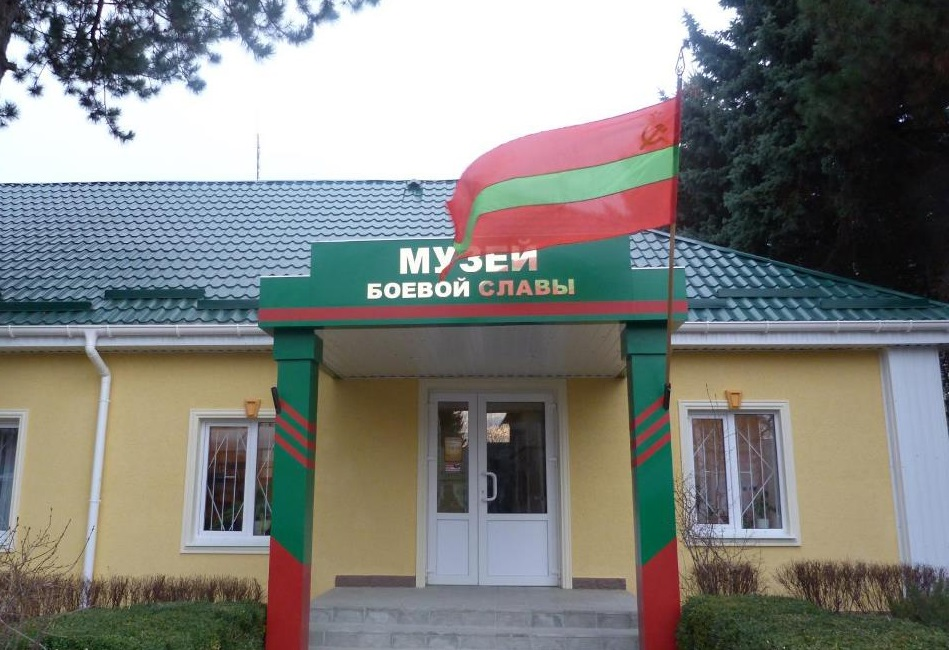
Museum of Military Glory in Rybnitsa
In September 1941, occupation authorities established a prison and concentration camp in Rybnitsa, a facility where arrested party members, Soviet activists and the Jewish population were held captive under brutal conditions. The darkest moment in this site’s history occurred on the night of March 19-20, 1944, when Romanian and German executioners burned 270 Soviet citizens and prisoners of war, among them — according to incomplete records — at least 50 people of Jewish nationality, a horrific act that stands as one of the most devastating crimes committed in the region during the occupation.
The Museum of Military Glory in Rybnitsa opened its doors on May 9, 2010, deliberately timed to coincide with the 65th anniversary of Victory in the Second World War. Significantly, the museum occupies this very historical site where the Nazis once held political prisoners — including partisans and underground resistance workers — transforming a place once associated with imprisonment and atrocity into a space dedicated to remembrance, education and the honoring of those who suffered and resisted during this devastating period of occupation.
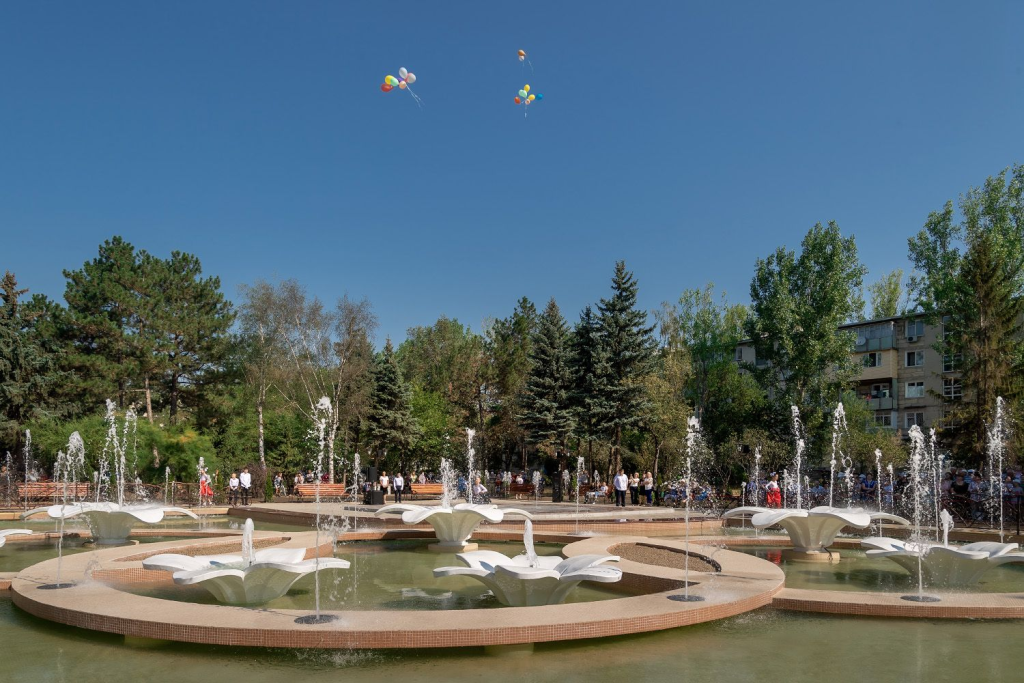
Central Park
The city park of Rybnitsa traces its founding back to 1967, and to this day, the park remains an important symbol of civic identity for the city’s residents. Its most recognizable feature, the central fountain, underwent a complete transformation following major reconstruction work in 2019, giving this beloved landmark an entirely new appearance for contemporary visitors.
A memorial sign titled “History, Frozen in Stone” was unveiled within the park on November 21, 1998, with its installation timed to mark the 370th anniversary of Rybnitsa. The monument’s creation involved artists A.M. Pokusinsky and I.P. Moseychuk, who worked together to bring this meaningful tribute to life. The stone that would eventually become this monument was transported from the Moldovan town of Rezina, situated directly opposite Rybnitsa on the other bank of the Dniester River. Originally, this stone weighed an impressive 15 tons, though approximately 5 tons were ground away during the carving process to achieve the monument’s final form.
The memorial sign takes the distinctive shape of an open book, symbolically representing history itself and the city’s documented past. Additional elements depicting a pen and inkwell represent knowledge and life respectively, conveying the meaningful message that the chronicle of the city’s history continues to be written, with new chapters constantly being added to Rybnitsa’s ongoing story.

Moldova Steel Works
Moldova Steel Works stands as one of the most famous and recognizable symbols of the Pridnestrovian state, deeply connected to the identity of Rybnitsa, the republic’s northern capital. Founded in 1985, this enterprise serves as the undisputed flagship of heavy industry and metallurgy throughout Pridnestrovie, while also functioning as one of the most important taxpayers contributing to the republic’s economy.
Over the course of its 34-year history (at the time of this account), the plant has undergone repeated modernization, continuously replenishing its facilities with cutting-edge equipment to maintain competitiveness in the global steel market. Today, MMZ employs more than 2,000 people, with the enterprise being entirely state-owned, serving as the principal employer and economic mainstay supporting the entire city of Rybnitsa.
The plant utilizes an UHP (Ultra-High Power) electric arc furnace capable of producing approximately one million tons of melted steel annually — an impressive production capacity that places this facility among significant regional steel producers. The enterprise’s long product rolling mills generate a variety of essential products including angles, wire rod, fittings and channel bars, serving construction and industrial needs across multiple markets.
Through absolute compliance with rigorous production technology standards, the plant has successfully obtained the necessary international quality control certificates required for global trade. This achievement has enabled MMZ to export its products to markets across the Middle East, Latin America, the European Union, the CIS and Southeast Asia — demonstrating the plant’s genuine international competitiveness and the trust that international buyers place in products manufactured at this Rybnitsa facility.
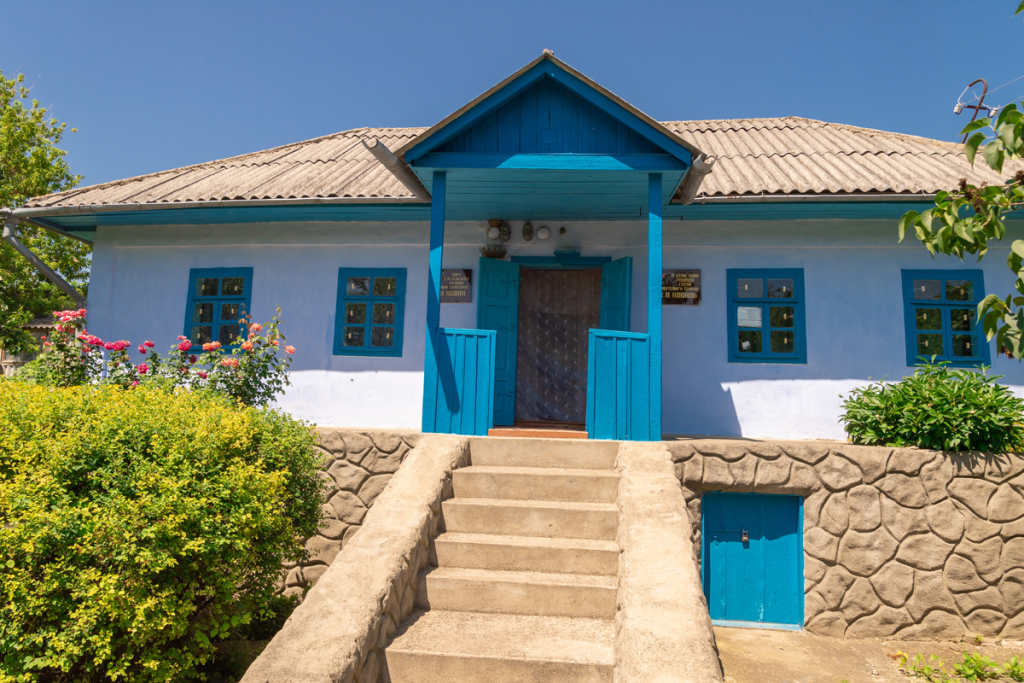
House Museum of the Hero of the Soviet Union I.N. Koval
Ivan Nesterovich Koval was drafted into the Red Army in 1941, and beginning in July of the following year, fought continuously on the fronts of the Great Patriotic War. By September 1943, he had risen to command an artillery gun within the 7th Guards Army of the Steppe Front, a position from which he would soon distinguish himself through extraordinary courage during the crossing of the Dnieper River.
Koval’s gun crew was tasked with diverting fascist forces, creating an opportunity for the main body of Soviet troops to successfully cross the river. During this protracted and intense battle, his gunners managed to destroy an enemy tank along with a substantial number of enemy soldiers and officers. As the battle wore on, Ivan Koval found himself entirely alone at his gun — yet he persevered remarkably, single-handedly loading, aiming and firing shots without any assistance. For this exceptional display of courage and heroism, he was awarded the title Hero of the Soviet Union in October 1943.
To mark the 40th anniversary of the liberation of the Moldavian SSR’s territory, a house-museum dedicated to I.N. Koval opened in 1984. The museum’s collection includes photographs of the hero’s family, his personal documents and belongings, household items reflecting both pre-war and post-war daily life, books drawn from Ivan Nesterovich’s own personal library, and numerous other exhibits that together paint an intimate portrait of this remarkable soldier’s life beyond his moment of battlefield heroism.
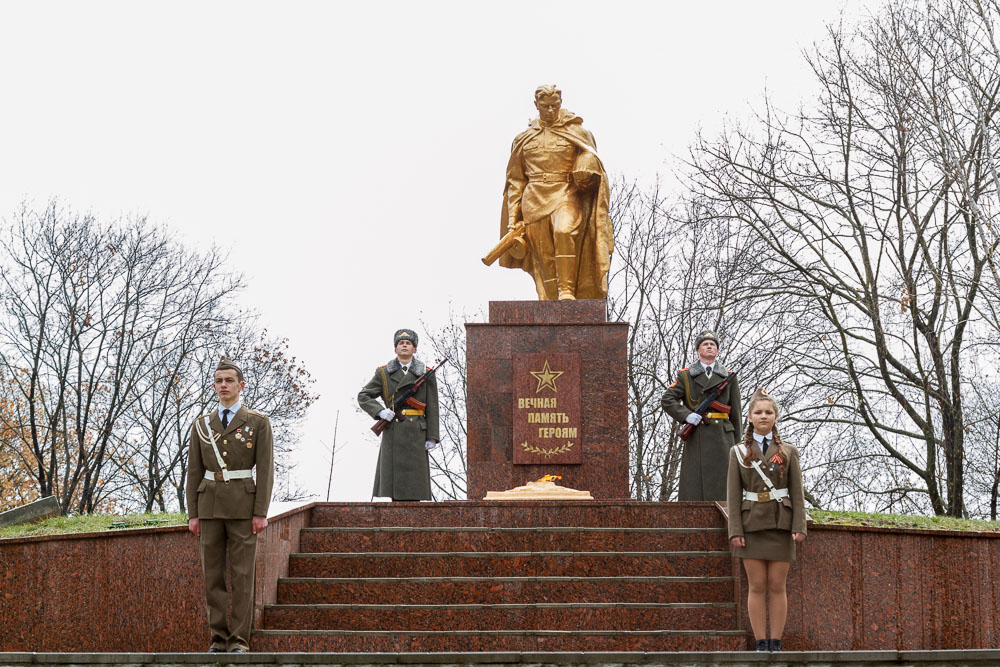
Mass Grave of Soviet Soldiers and Monument to Fellow Villagers Who Died During the Great Patriotic War
This monument was erected to honor the soldiers who defended their homeland and ultimately died during the Great Patriotic War. Originally, in the mid-1950s, the monument occupied a position in the center of the village at the intersection of Lenin and Kirov streets, with funding for its construction collected through the combined efforts of various Kamenka organizations and collective farms working together toward this shared commemorative goal.
In its original configuration, the monument stood atop a rectangular pedestal, flanked on either side by seven graves containing fallen soldiers. In August 1969, the Kamenka District Council made the decision to relocate the monument to the city park, where its grand reopening took place on May 9, 1970 — a date chosen to coincide with Victory Day celebrations.
The monument underwent further reconstruction in 1995, during which the memorial plates were replaced with new ones, carefully carving the names of 317 fallen Kamenka residents into the updated memorial — ensuring that each individual soldier who gave his life in defense of the homeland continues to be remembered by name within this evolving but continuously meaningful tribute to the community’s wartime sacrifice.

Park Petra Wittgensteina
This park, spanning 25 acres (approximately 27 hectares), was founded at the estate of Prince P.Ch. Wittgenstein during the 1820s, originally intended to serve vacationers seeking therapeutic treatment through grape juice consumption — a popular health practice of the era. The park’s design incorporated valuable tree species brought from abroad, while ponds were dug throughout the grounds and stocked with fish for raising. Additional decorative elements included numerous flower beds, one of which was specifically designed to depict the Wittgenstein family coat of arms, adding a personal heraldic touch to the landscape.
The park’s purpose shifted significantly during the 1960s, when buildings belonging to an agricultural technical school occupied portions of the grounds. Subsequently, the park underwent reconstruction, transforming it into a popular recreation area, and in 2018, it received its current name: Park Petra Wittgensteina, formally honoring the prince whose vision originally created this green space.
The amphitheater-like ridge, upon which the famous grape terraces are situated, serves as a picturesque natural backdrop for the park’s landscape. Today, more than a hundred species of trees and shrubs flourish throughout the grounds, including Japanese chestnut, juniper, white poplar, sharp-leaved maple and ash, creating remarkable botanical diversity. The park also features a stage used for hosting various cultural events throughout the year.
In 2011, a bust of the prince was installed within the park, though it was subsequently relocated to the Glory Memorial — a monument dedicated to soldiers who died during the Great Patriotic War. At this new location, a comprehensive historical and cultural complex was created around the bust, with one of the granite slabs installed there providing detailed information about the life of P.Ch. Wittgenstein and his significant contributions to the development of Kamenka, ensuring his legacy remains connected to the town he helped shape, even as the physical location of his memorial has changed over time.