

Rural tour “Kitskany – Ternovka”
Southern Pridnestrovie: Kitskany and Ternovka
Discover the quiet charm and rich cultural heritage of southern Pridnestrovie on this beautifully organized two-day rural tour — a 24 km self-drive journey through the villages of Kitskany and Ternovka that combines a legendary war memorial, one of the most revered monasteries in the region, Soviet nostalgia, Moldovan folk culture and a museum unlike any other in Pridnestrovie.
Day 1 — Kitskany and Ternovka: Battlefields, Domes and a Bottle Museum
13:00 — Arrival in Kitskany village for an afternoon of wartime history and spiritual discovery.
The day opens at the Museum of the Iasi-Chisinau Operation (31 Kotovskogo Str., Kitskany village, Slobodzeya district) — a fascinating institution dedicated to the decisive 1944 military operation that liberated Moldova and changed the course of the war in this region. Through weapons, documents, photographs and personal effects, the museum brings one of the most strategically significant battles of the Eastern Front vividly to life.
After a sightseeing tour of Kitskany village, the route arrives 2.7 km away at the legendary Kitskany Bridgehead (Kitskany village, Slobodzeya district) — one of the most hallowed military sites in all of Pridnestrovie, where fierce and costly battles were fought during the Great Patriotic War. Standing here, the sacrifice of the Soviet soldiers who held this ground feels immediate and real.
15:00 — After 2 km, the afternoon takes a deeply spiritual turn at the magnificent Holy Ascension Novo-Nyametsky Monastery (2 Lenin Str., Kitskany village, Slobodzeya district) — one of the most beloved and celebrated monastic communities in Transnistria. Its gleaming golden domes visible across the Dniester floodplain, its grounds filled with the peace that only a living monastic community can create, this monastery is one of the spiritual highlights of the entire southern region. Accommodation and meals can be arranged at the monastery by prior agreement.
18:00 — The evening brings one of the most delightfully unusual cultural stops in all of Pridnestrovie — the Bottle-Museum of Alcoholic Beverages (22 Kotovskogo Str., Ternovka village, Slobodzeya district). This extraordinary collection chronicles the history of winemaking and spirits production through an astonishing variety of bottles, labels and distilling artifacts — a museum that is simultaneously educational, entertaining and uniquely Moldovan in spirit.
19:00 — The first night is spent at the charming Korzun Estate (22 Kotovskogo Str., Ternovka village, Slobodzeya district) — a welcoming rural estate where gazebos, fresh air and home-style meals arranged by prior agreement make for the most relaxed and authentically Pridnestrovian of overnight stays.
Day 2 — Ternovka: Soviet Pioneers and Moldovan Antiques
10:00 — The second day opens at the Guest House “Casa Baboi” (111 Vinogradnaya Str., Ternovka village) — a Soviet-style guesthouse whose programme goes far beyond simple accommodation. Guests are welcomed with ceremony, shown through a remarkable collection of Soviet-era exhibits and — the highlight — solemnly admitted as pioneers in a tradition-rich initiation that is as warm as it is memorable. Accommodation and meals available by prior arrangement.
12:00 — Just 2 km away, the House-Museum “Casa Karaman” (6 Pushkin Str., Ternovka village, Slobodzeya district) offers a profoundly different but equally immersive cultural experience — a beautifully preserved heritage home housing a unique collection of antiques and everyday objects that paint a vivid portrait of traditional Moldavian domestic life across the centuries. Every room tells a story; every object carries a memory. Catering available by prior arrangement.
14:00 — Departure — two days of southern Pridnestrovie’s finest history, faith, Soviet nostalgia and Moldovan heritage safely stored in memory and, if the Bottle Museum inspired a purchase, perhaps in the boot of the car as well.

Museum of the Iasi-Chisinau Operation, Kitskany Village
This museum first opened its doors on May 7, 1975, with its original exposition housed within the bell tower of the Holy Ascension Novo-Nyametsky Monastery. During the Iasi-Chisinau operation in August 1944, this very bell tower had served as a critical observation post for Soviet command, where figures of immense historical significance climbed to assess the unfolding military situation — including Marshal of the Soviet Union F.I. Tolbukhin and commander of the 37th Army M.N. Sharokhin, among other military leaders directing this pivotal campaign.
Today, with the Novo-Nyametsky Monastery having resumed its active religious functions, the museum has relocated to the village’s Palace of Culture. The exposition continues to chronicle the comprehensive story of the Iasi-Kishinev operation — covering its preparation, the course of the campaign itself, the various divisions involved, and the individual soldiers who fought in these bloody battles, including those veterans who survived to share their experiences with future generations.
The museum’s collection includes genuinely moving artifacts: photographs, documents and front-line relics belonging to participants of the Great Patriotic War. Among these treasured items are the wristwatch of N.N. Shkodunovich, commander of the 68th Rifle Corps, and a snuffbox belonging to N.A. Hagen, commander of the 57th Army, alongside numerous other personal effects that bring the human dimension of this decisive military operation vividly to life for visitors.
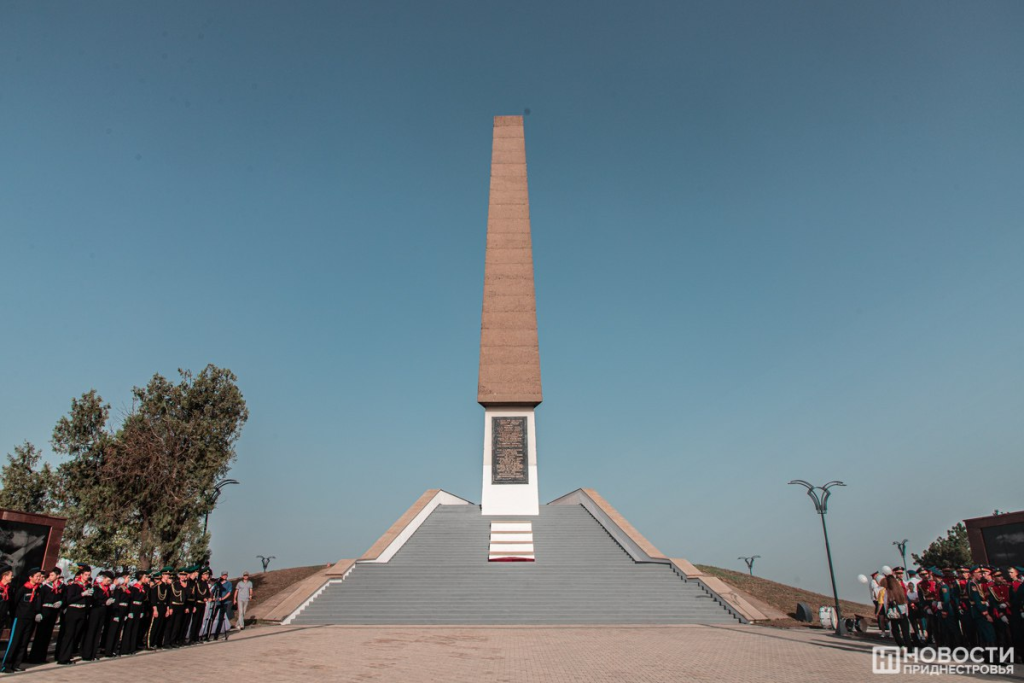
Kitskany Bridgehead
The Kitskany bridgehead occupies a place of profound strategic significance in the history of the Great Patriotic War, having served as a crucial Soviet army position that played a decisive role in the success of the Iasi-Chisinau Operation. Troops of the 3rd Ukrainian Front seized the bridgehead during the Odessa operation of 1944, establishing a foothold stretching up to 18 kilometers along the front line, with a depth ranging from 6 to 10 kilometers.
The battle for control of this critical position raged for more than four months, during which Soviet forces transformed the bridgehead into a formidable engineering achievement. By the start of the major offensive, this relatively confined space had been equipped to hold five infantry corps, a mechanized corps, 51 artillery regiments and as many as 30 specialized units — an extraordinary concentration of military force.
On August 20, 1944, the troops of the 3rd Ukrainian Front launched their main offensive strike from the Kitskany bridgehead, an assault that laid the groundwork for the complete defeat of German-Romanian forces across Soviet Moldavia. The resulting Iasi-Chisinau operation ultimately led to the full liberation of what is now the entire territory of Pridnestrovie.
To honor and preserve the memory of the soldiers’ heroism for future generations, a towering 35-meter memorial known as the “Obelisk of Glory” — designed in the striking form of a concrete bayonet by architect S.M. Shoichet — was unveiled at the highest point of the former bridgehead on May 9, 1972. The monument remains an enduringly popular destination today, with its observation deck offering visitors spectacular panoramic views across the surrounding landscape.
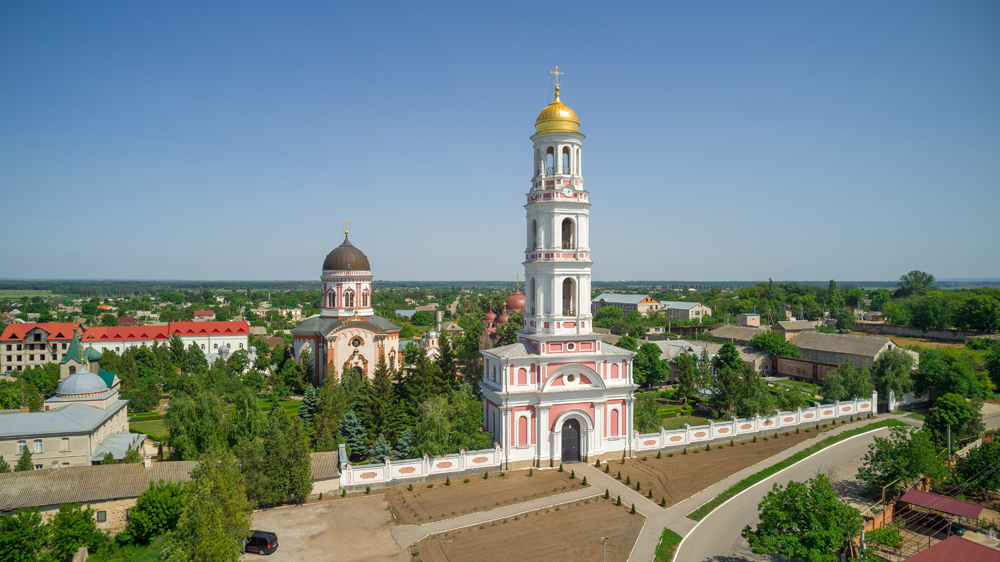
Holy Ascension Novo-Nyametsky Monastery
Situated in the heart of Kitskany village, the Holy Ascension Novo-Nyametsky Monastery stands as an outstanding masterpiece of Orthodox Church architecture. The monastery ensemble comprises four distinct churches: the Holy Ascension Cathedral, used in summer; the Assumption Church, designed for winter worship; St. Nicholas Church, serving the monastery’s seminary; and the Church of the Exaltation of the Cross, which functions as the refectory. Beyond its sacred buildings, the complex offers accommodations for visiting pilgrims, houses a dedicated church museum, operates a working printing house and maintains an icon-painting workshop, alongside an extraordinary library preserving documents, miniatures and rare books spanning the 15th through 19th centuries.
The true crown jewel of the monastery is its magnificent five-tiered bell tower, soaring 69 meters into the sky and offering breathtaking panoramic views across the surrounding countryside. The tower’s largest bell is a true giant, weighing an impressive 8.5 tons.
The monastery’s origins trace directly back to the renowned Neamt Monastery, one of the great medieval centers of Moldavian culture and learning. Following the unification of the Moldavian Principality with Wallachia and the formation of Romania, the new authorities pursued a policy of secularizing Church lands, altering monastic statutes and even banning worship conducted in Church Slavonic. Fleeing this persecution, the monks sought refuge in the Russian Empire, and in 1864 received the highest official permission to establish the Novo-Nyametsky Monastery on this site. Construction of the full monastery complex would continue for nearly 50 years.
The Soviet period brought tremendous hardship to the monastery — its priors faced persecution, with some subjected to outright repression. In 1962, the monastery was forcibly and permanently closed, and its iconic bell tower, which had served as a military observation post during the war, was repurposed as a Museum of Military Glory dedicated to the Iasi-Chisinau Operation. It wasn’t until 1990 that the monastery finally resumed its religious activities.
Thanks to the dedicated efforts of Father Superior Dorimedont (Cecan), the churches, bell tower and monastic cells underwent careful renovation, a religious school was established, and a chapel was founded in honor of the miraculous icon of the Mother of God from the original Novo-Neamt Monastery, used specifically for the blessing of water. Today, the beautifully restored library building also serves as home to a museum dedicated to the monastery’s rich and resilient history.
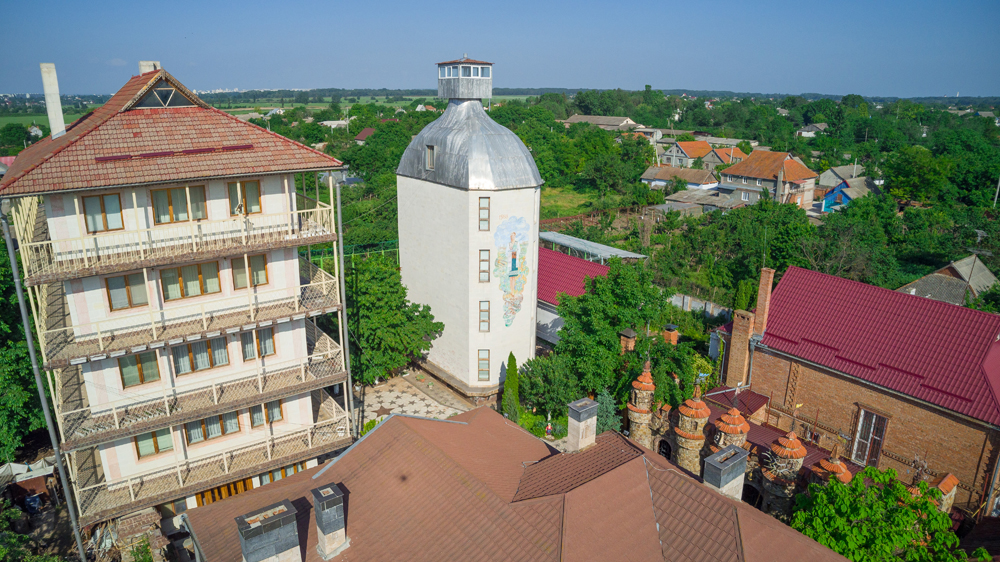
Bottle-Museum of Alcoholic Beverages
Step into one of the most extraordinary private collections in all of Pridnestrovie at the Bottle-Museum of Alcoholic Beverages — a destination unlike anything else in the region. Tucked into a quiet, picturesque corner near the banks of the Dniester River, just 70 km from Chisinau, the complex is instantly recognizable by its main building: a giant bottle-shaped structure rising an impressive 28 meters into the sky.
Inside, six magnificently decorated rooms house a staggering collection of over 10,000 different bottles of alcoholic beverages sourced from countries around the globe. Among the highlights are rare finds, exclusive releases, limited-edition numbered bottles and collectible souvenir pieces — a treasure trove for connoisseurs and curious visitors alike.
Beyond its remarkable museum collection, the complex is also equipped to host business meetings and private getaways in style. Guests will find 8 comfortable apartments, a full-service restaurant and two dedicated tasting rooms, complemented by additional tasting spaces housed within the complex’s fortress building — each elegantly themed in rural, hunting or Gothic style, offering a distinctive atmosphere for every occasion.

Korzun Estate
The Korzun Estate complex — combining a hotel with the unique “Bottle” Museum — occupies a picturesque and tranquil corner located 70 km from Chisinau, not far from the Dniester River. This distinctive original hotel comprises 8 apartments, each featuring private bathrooms to ensure comfortable accommodation for every guest. Rooms come equipped with television, Wi-Fi and air conditioning, providing modern conveniences alongside the estate’s charming atmosphere.
Adding to the property’s appeal, a dedicated room featuring a fireplace area offers a cozy gathering space for guests seeking warmth and relaxation. The complex maintains excellent facilities for both business meetings and private recreational stays, making Korzun Estate a versatile destination suitable for various types of visitors — whether arriving for professional purposes or simply seeking a peaceful retreat near one of Pridnestrovie’s most unusual cultural attractions.

Guest House in the Soviet Style "Casa Baboi"
This guest house presents its interior in authentic Soviet style, featuring active exhibits of household items dating from the USSR era that surround guests throughout their stay. The establishment offers a genuinely unique experience for visitors: a solemn ceremony welcoming guests as honorary pioneers, complete with a traditional pioneer bonfire and a pioneer-style afternoon snack, recreating one of the most distinctive cultural rituals of Soviet childhood for guests of all ages to experience firsthand.
This immersive approach to hospitality transforms an overnight stay into something far more memorable than typical accommodation, offering genuine cultural immersion into Soviet-era traditions and customs through carefully curated décor and engaging interactive experiences that bring this particular chapter of history vividly to life.
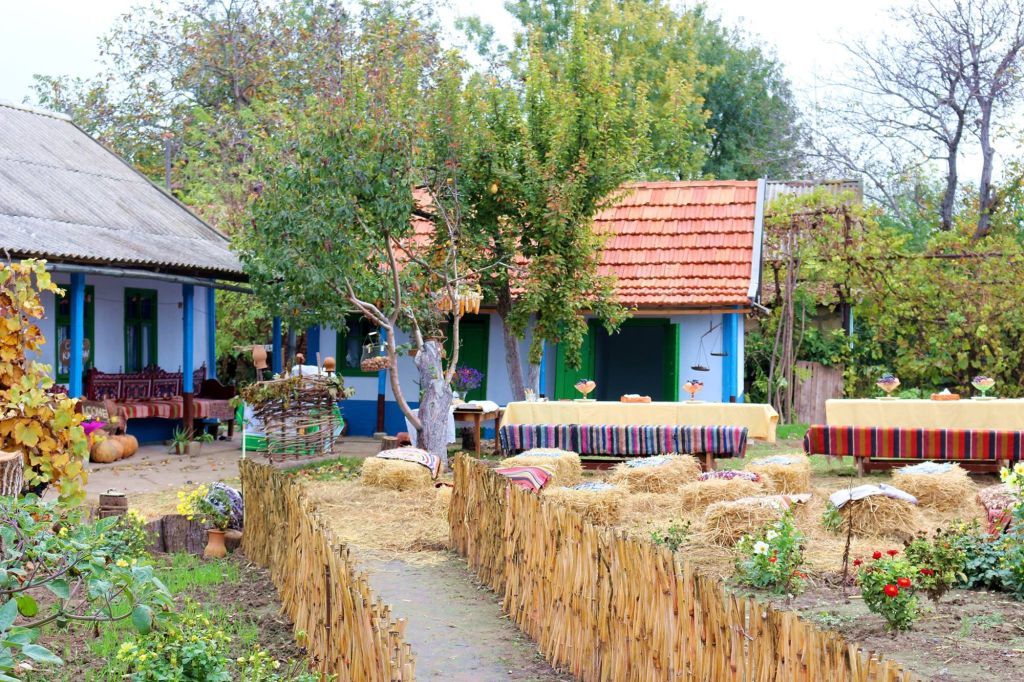
House-Museum "Casa Karaman"
This small clay house carries centuries of history within its modest walls, now serving as a beloved museum of Moldovan culture and a genuine center of attraction for tourists visiting the region. Step inside, and you’ll discover an authentic collection of traditional Moldovan household items: a wood-burning stove, handcrafted pottery, evocative old photographs, a spinning wheel and beautifully handmade yarn — each object offering a tangible connection to the rhythms of rural domestic life in generations past.
The front room, known as “casa mare,” remains perpetually ready for celebration, embodying the Moldovan tradition of always having a space prepared to welcome guests for festive occasions. Among the museum’s most treasured possessions is a homespun carpet nearly 120 years old, a remarkable survivor that speaks to the skill and patience of the women who created it so long ago.
The museum goes well beyond static display, regularly hosting unique master classes where visitors can learn to prepare traditional Moldovan dishes themselves. Festive celebrations come alive here through traditional Moldovan clothing, authentic folklore, songs, communal gatherings and, of course, the essential ritual of tea drinking that accompanies any proper Moldovan gathering. For visitors wishing to take a piece of this experience with them, the museum can prepare a vow or freshly baked goods to accompany guests on their onward journey, ensuring the warmth of “Casa Karaman” travels with them long after their visit ends.