
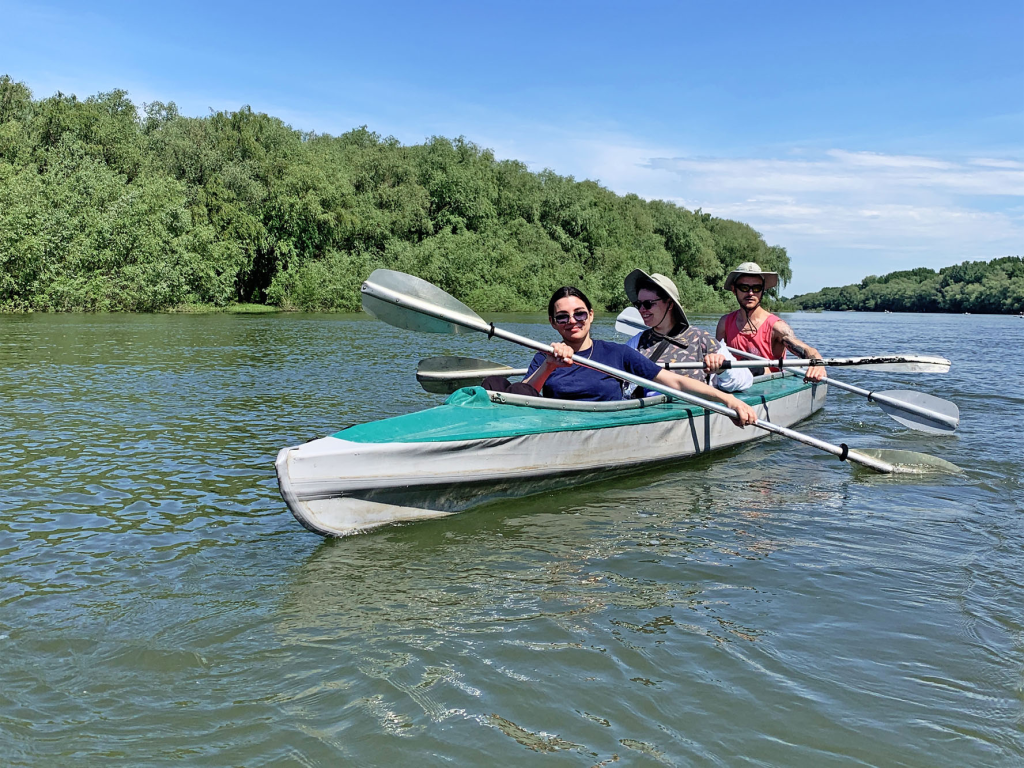
Water route “Speya – Bendery – Tiraspol”
Water Route “Speya – Bendery – Tiraspol”
Dip your paddle and let the Dniester carry you through one of the most scenic and memorable water journeys in Pridnestrovie — the Water Route “Speya – Bendery – Tiraspol” — a two-day, 45 km kayaking adventure designed for beginners and experienced paddlers alike. From the island of love to the Bychok rocks and tunnels, from a fortress seen from the water to a riverside lunch where two rivers meet — this route offers a perspective on Pridnestrovie that simply cannot be experienced any other way.
Day 1 — Speya to Parkany: The Island of Love, Bychok Rocks and a Riverside Camp
The journey begins at the village of Speya — a gentle launch into the Dniester that eases paddlers into the rhythm of the river before the scenery begins to unfold in earnest.
The first 200 meters bring the first great visual reward — the View of the Dniester River between Bychok and Krasnogorka villages (Grigoriopol district) — a sweeping river panorama that sets the tone for everything that follows. From the water, this landscape takes on a scale and intimacy simultaneously — the banks close enough to touch, the horizon wide enough to breathe in.
After a lunch stop in the village of Bychok, the route passes one of the day’s most intriguing highlights — the Tunnels of Mines near Bychok village (Grigoriopol district), 17 km into the journey. These mysterious passages carved into the rocky riverbank create a striking encounter between the natural and the man-made — especially atmospheric when seen from a kayak on the water below, the dark tunnel openings framed by the cliff face above.
In the area of Krasnogorka village, the river reveals one of its most romantic secrets — the Island of Love — a small, lush island in the middle of the Dniester where paddlers can pull ashore, stretch their legs and walk the island’s perimeter with the river flowing on all sides. While dinner is cooked on the fire, the Bychok rocks and tunnels provide a dramatic natural backdrop — cliffs glowing in the late afternoon light, their reflections rippling in the current below.
The first night is spent in Parkany — tent pitched on the riverbank, fire crackling, the Dniester moving quietly past in the darkness.
Day 2 — Parkany to Tiraspol: A Fortress From the Water and Where Two Rivers Meet
The second day begins with an early morning on the river from Parkany — the water calm, the air fresh and the paddle strokes carrying the group downstream toward one of the most dramatic sights of the entire journey.
After 15 km, the Bendery Fortress (2/3 Petra Panina Str., Bendery) appears on the riverbank — and from the water, the view is unlike anything seen from land. The ancient Ottoman walls rising directly from the Dniester bank, reflected in the current, create one of the most extraordinary visual moments of the entire route. Few places in Pridnestrovie can be approached quite like this.
Continuing 14 km downstream, the Kitskansky Forest (Slobodzeya district) lines the riverbank with cool green shade — a beautiful natural stretch that provides a peaceful transition between the drama of the fortress and the urban approach to the final destinations.
The lunch stop arrives 12 km further at the beach of Ternovka village, opposite the mouth of the Botna River — one of the most picturesque spots in the entire region, where the tributary river flows into the Dniester in a confluence of waters framed by lush vegetation. This is the kind of place that makes a river journey feel genuinely special: a natural landmark that most people never see because it can only be fully appreciated from the water.
After lunch, the Bendery Embankment slides past on the left bank — the city’s riverside promenade offering a final farewell from the fortress town before the Dniester carries the group on toward Tiraspol.
The two-day adventure concludes at the Embankment of the Dniester in Tiraspol — the city beach where the kayaks are pulled ashore and the journey officially ends. Standing on the Tiraspol embankment after 45 km of river, having seen the Dniester from angles and at moments that no road or path could ever offer, the city feels both familiar and entirely new.

View of the Dniester River Between Bychok and Krasnogorka Villages
Nestled along the banks of the Dniester River, between the villages of Bychok and Krasnogorka, this scenic spot offers one of the most stunning views in the entire Grigoriopol district. Known affectionately as the “Island of Love,” this destination has become a favorite among visitors, particularly those hoping to capture truly memorable photographs during their travels.
The view here is nothing short of postcard-perfect, with a small island sitting gracefully in the middle of the river adding an extra touch of romance and charm to an already breathtaking landscape. Whether arriving by road, on foot or — as many do — by kayak along the river itself, this picturesque viewpoint rewards every visitor with a moment of pure natural beauty along the Dniester.
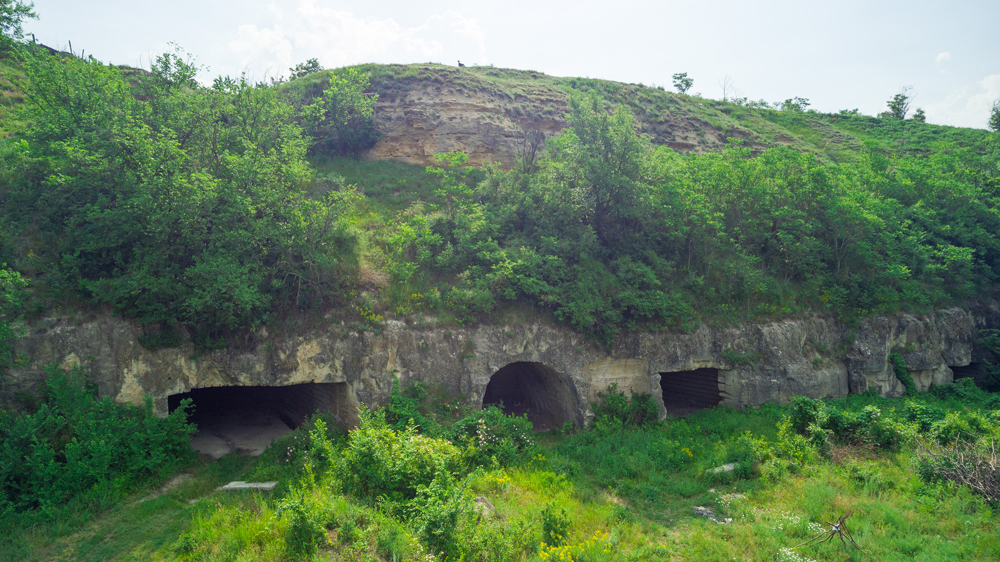
Tunnels of Mines, Bychok Village
Bychok village occupies a striking position along the banks of the Dniester River, perched atop an impressive rocky hill that hides a valuable secret beneath its surface — extensive deposits of limestone, one of the republic’s most important natural resources. Until the 1990s, large-scale mining operations were active in Bychok, extracting high-quality white ashlar limestone widely prized for use in construction throughout the region.
What remains today is something far more extraordinary than an abandoned industrial site: the mine galleries have formed the largest complex of artificial catacombs anywhere in the region, creating a labyrinthine underground world that has become particularly fascinating to adventure seekers and thrill enthusiasts from Pridnestrovie and beyond. These atmospheric tunnels, carved by generations of miners, now offer a uniquely captivating destination for those drawn to explore the hidden, subterranean side of the Dniester valley’s landscape.
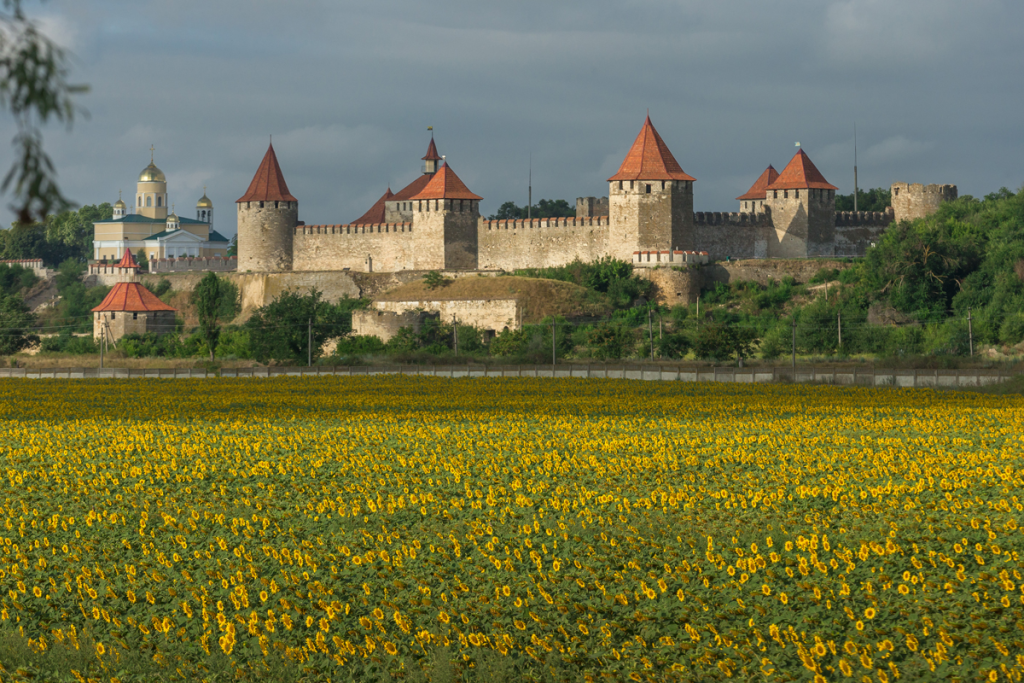
Bendery Fortress
Bendery Fortress ranks among the oldest structures in all of Pridnestrovie, standing as an outstanding monument to the art of fortification architecture. The citadel’s original core was constructed by medieval Genoese builders, and following Bendery’s incorporation into the Ottoman Empire in 1538, Turkish engineers significantly rebuilt and expanded the castle into the formidable structure that would shape the region’s military history for centuries to come. Remarkably, the citadel has survived in nearly its original form, complete with all 8 of its original towers — a testament to the quality of its construction and the determination of those who maintained it.
Throughout its long history, the fortress proved formidable indeed: neither Cossack forces nor the armies of Moldavian rulers ever succeeded in breaching its walls. During the Russian-Turkish wars spanning the 18th and 19th centuries, the fortress found itself caught in the very heart of the struggle between two great empires, changing hands three separate times as Russian troops successfully captured it. Once Bendery became part of the Russian Empire, the fortress took on new purpose, serving as a vital stronghold for the Russian army.
Today, visitors can explore a Historical Museum housed within a remarkably well-preserved ancient powder cellar of the citadel, complemented nearby by a Museum of Medieval Torture Instruments and a souvenir shop offering mementos of this remarkable visit. Surrounding the citadel, an impressive collection of monuments honors historical figures whose lives intertwined with the fortress and the broader history of Pridnestrovian land — including A.V. Suvorov, M.I. Kutuzov, P.A. Rumyantsev-Zadunaisky, P.Ch. Wittgenstein, M.B. Barclay de Tolly, N.N. Raevsky, M.G. Miller and Ya.P. Kulnev.
At the southern wall of the citadel stands the Pantheon of Russian Military Glory, featuring busts of distinguished commanders from the Russian Imperial Army. A separate memorial site, opened in 2010, pays tribute to Baron Karl Friedrich Hieronymus von Münchhausen, a captain in the Russian Imperial Army who participated in the 1738 campaign against Bendery Fortress. True to the legendary tales chronicled by R.E. Raspe, visitors can even find a symbolic cannonball here — the very one upon which, according to popular legend, the famous Baron supposedly took flight during the siege of the fortress, adding a touch of whimsical storytelling to this otherwise deeply historical site.
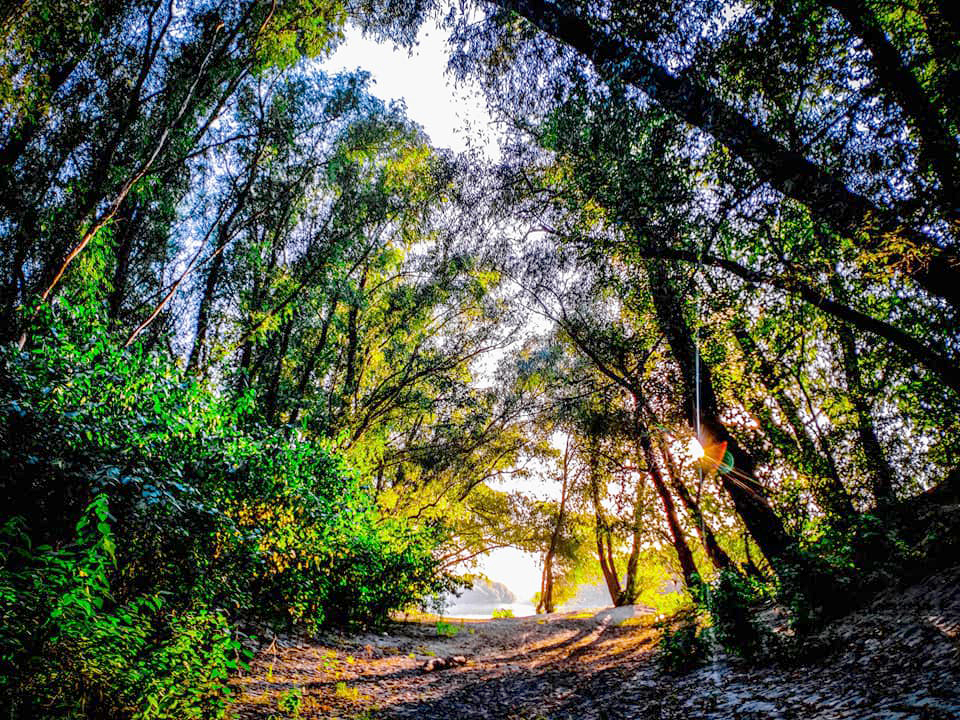
Kitskansky Forest
This extensive floodplain forest spreads across the landscape near Kitskany village, positioned just behind the Tiraspol bridge spanning the Dniester River. The forest represents a substantial natural area within Slobodzeya district, contributing to the broader network of preserved woodland that characterizes this section of the Dniester valley.
Kitskansky Forest offers visitors and cyclists alike a welcome shaded retreat, particularly valuable for those traveling along the popular cycling routes connecting Tiraspol and Bendery, where this forest provides a natural midpoint perfect for rest, picnicking, or simply appreciating the cool, green environment that contrasts so pleasantly with the more urban landscapes found in the neighboring cities on either side of the river.

Embankment of Bendery
Positioned along the banks of the Dniester River in the central part of Bendery, this embankment serves as a beloved gathering place for leisurely relaxation among both city residents and visiting guests of the republic. The riverside setting offers a peaceful retreat from the urban environment, where visitors can enjoy pleasant strolls while taking in views of the Dniester flowing past, creating an ideal spot for unwinding after exploring the historical attractions of Bendery, including the nearby fortress and other significant landmarks within walking distance of this scenic waterfront promenade.

Embankment of the Dniester in Tiraspol
This embankment stretches from west to east, running along the entire central part of Tiraspol and offering one of the most scenic riverside walks in the entire capital. The city embankment has earned particular affection among photographers, who consistently find compelling subject matter here regardless of the season — whether captured beneath summer’s golden light, autumn’s colorful foliage, winter’s frost-touched stillness, or spring’s fresh renewal, this riverside promenade consistently rewards those seeking beautiful images of Tiraspol’s relationship with the Dniester River that defines so much of the city’s character and history.