Skip to content
Tiraspol History
Tiraspol was founded in 1792 by Russian Generalissimo Alexander Suvorov, acting under the reign of Empress Catherine II the Great. Following the Russo-Turkish War of 1787-1791 and the subsequent Peace of Jassy, Turkey ceded to Russia the lands between the Southern Bug and the Dniester — the so-called Ochakov region. As part of the Dniester defensive line, the Sredinnaya Fortress was established here, positioned directly opposite the Ottoman-held Bender Fortress across the river.
The chief architect responsible for both the fortress design and the city plan was Franz de Wollant. The fortress was built in just two years, notably without stone walls, yet served its strategic purpose effectively. Today, only a single fragment of this original fortification survives — the powder magazine of the St. Vladimir Bastion, now recognized as an architectural monument of the 18th century.
Tiraspol celebrates its birthday on October 14, the day of the Protection of the Holy Virgin — a date that connects the city’s civic identity to the Orthodox liturgical calendar from its very founding.
Following the Russo-Turkish War of 1812, the border moved away from the Dniester River, and the Tiraspol Fortress gradually lost its military significance. From the early 19th century through the 1920s, the city formed part of the Kherson Province and Nikolaev Region, before later becoming part of the Odessa Region. Between 1929 and 1940, Tiraspol served as the capital of the Moldavian republic within the Ukrainian SSR — a role it would eventually reclaim in a new form when, since 1990, the city has served as the capital of the Pridnestrovian Moldavian Republic.
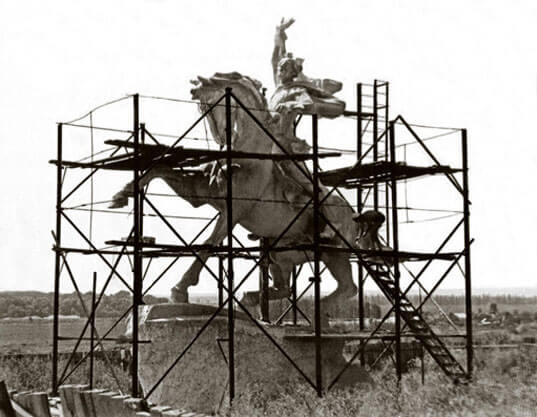
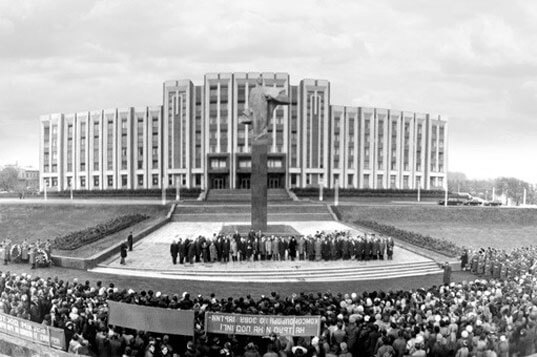
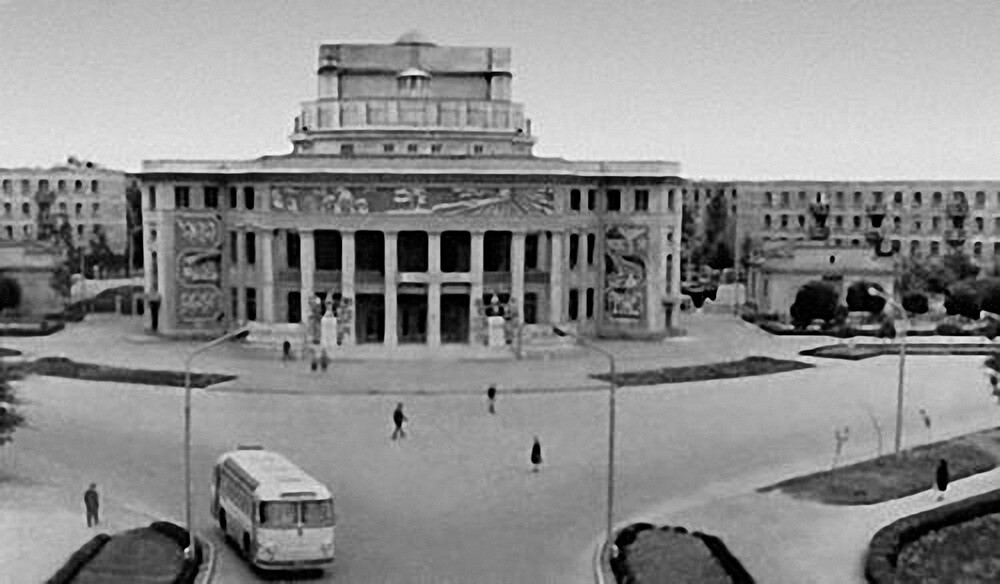
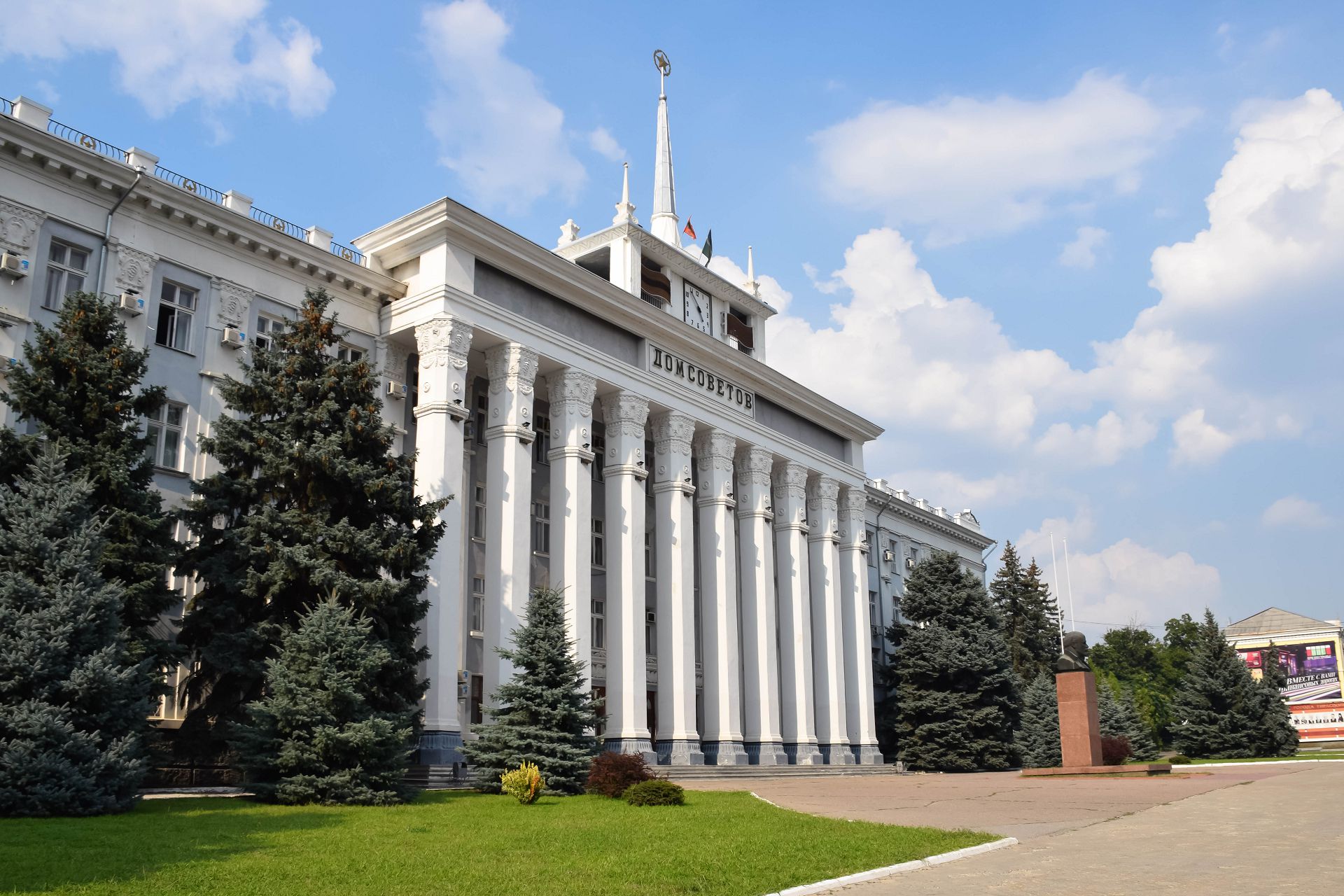
Today, Tiraspol is home to approximately 130,000 people and offers visitors a distinctive cityscape rich with historical landmarks. In the city center, three separate monuments to Lenin stand alongside the Memorial of Glory, a T-34-85 tank, the chapel of St. George the Victorious, a monument to Suvorov and the elegant De Wollant Square. The city’s only drama and comedy theater — named after N.S. Aronetskaya and built in 1930 — continues to be one of the republic’s most important cultural institutions. For those captivated by the story of the “Bessarabian Robin Hood” Grigory Kotovsky, whose cavalry brigade made Tiraspol his base of operations, the city offers essential insights into this legendary revolutionary figure’s colorful legacy.