 Skip to content
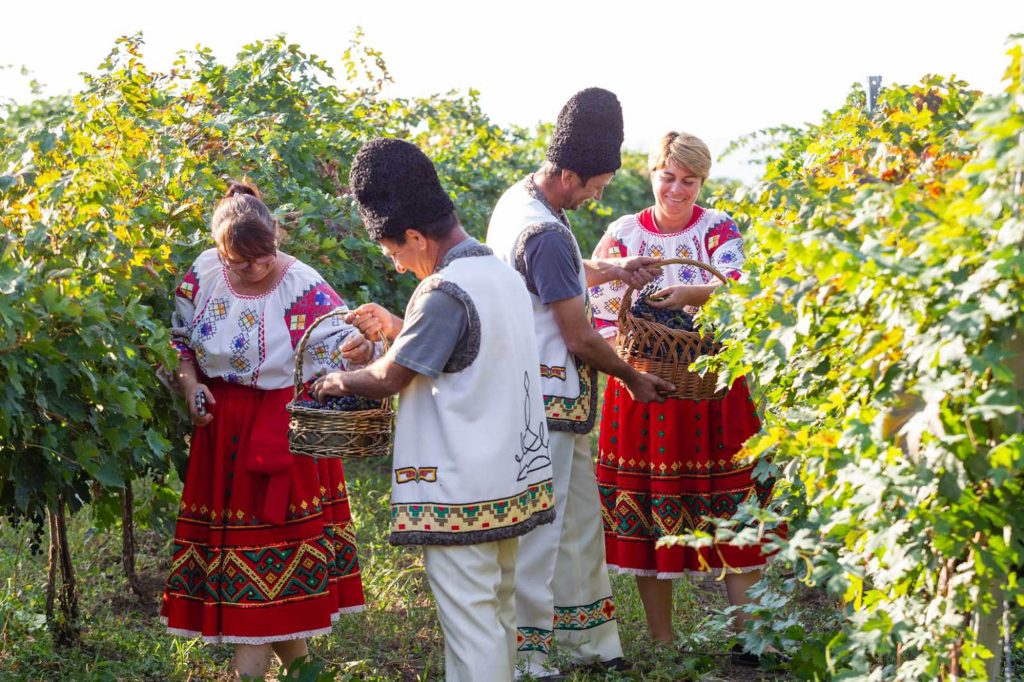
Transnistria is a rare case where the souvenir itself is a story: the country isn’t officially recognized by a single UN member, yet it prints its own money, stamps and spirits. Here’s what’s actually worth bringing home, not just buying to tick a box.
Brandy and wine from KVINT. The region’s signature souvenir — KVINT has been distilling in Tiraspol since 1897 and remains a state-owned enterprise. Divin (the local name for brandy) is sold in any shop, but it’s more interesting to buy a bottle at the distillery itself after a tasting tour — aged series (“Suvorov”, 10-25 year collectible divins) aren’t found in ordinary retail. A young divin runs 150-250 Transnistrian rubles, an aged collectible bottle 500 rubles and up. KVINT’s sparkling wines are also worth a look — they’re barely seen outside the region.
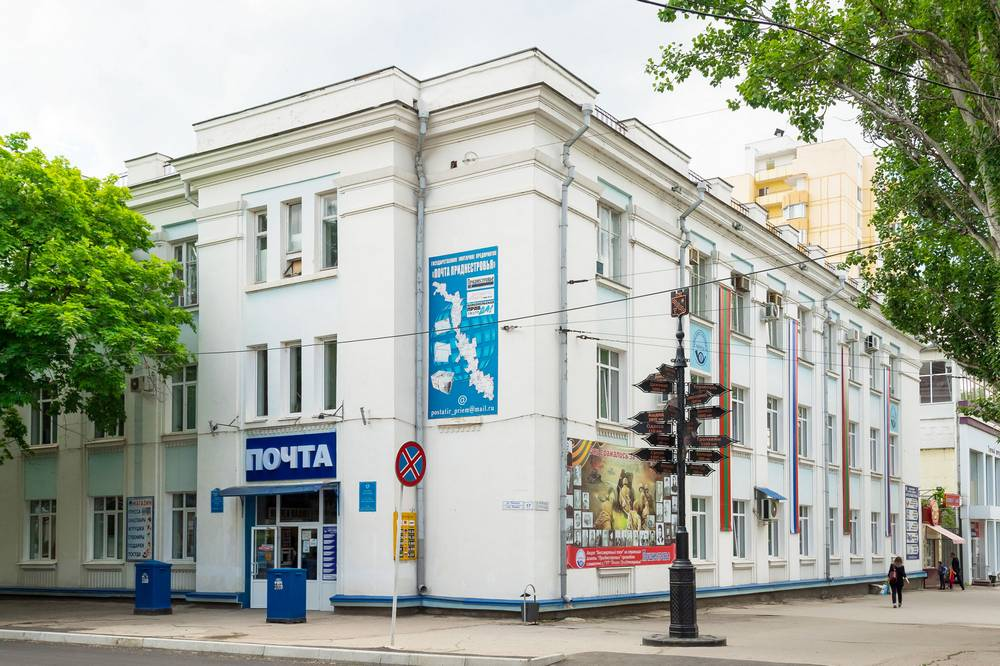
Stamps and coins. Transnistria is one of the few unrecognized territories that still prints its own postage stamps and mints its own coins, including commemorative and even plastic ones. Buy them at Tiraspol’s main post office — the building itself is over 220 years old. They also sell cancelled stamps and postal blocks depicting local history and nature. For philatelists and collectors this beats any magnet: a PMR stamp or coin is a literal fragment of a territory most political maps don’t show.
Transnistrian rubles as a keepsake. Even if you exchanged money strictly for the trip, it’s worth setting aside a few banknotes and coins — the local currency has no use outside the region and, over the years, becomes part of the same collectible history as the stamps. Read more in our guide to the Transnistrian ruble.
Produce from the Green Market. Tiraspol’s Green Market is the oldest in the region, also over 220 years old. Homemade wine, honey, dried herbs, brynza — all sold directly by producers, at noticeably lower prices than tourist shops. This is the place to shop if you want to bring back something people actually eat and drink, not a souvenir under glass.
PMR symbols. Flags, pins and magnets with the hammer-and-sickle coat of arms aren’t irony — they’re part of official state symbolism preserved nowhere else in Europe in this form. Sold in souvenir shops near the House of Soviets and Suvorov Square.
Textiles. Tiraspol was historically a textile hub — the local Tirotex factory still runs today, producing bedding and towels sold in the city’s own branded shops. Noticeably better quality than typical tourist merchandise.

Where to shop. Main spots — the Green Market and central Tiraspol (around Suvorov Square and the House of Soviets), the KVINT distillery (for alcohol), the main post office (stamps, postcards). Bendery has souvenir stalls near the fortress, but a smaller selection than the capital.
A note on money. Foreign bank cards rarely work in small shops — you’ll need Transnistrian rubles in cash almost everywhere outside major Tiraspol venues. Exchange money before you go shopping.
What not to bother buying. Generic magnets and keychains with the coat of arms are sold on every corner and are no different from souvenirs in any other post-Soviet country — not worth the markup. Same with “antique” Soviet pins at street stalls: authenticity can’t be verified, prices are inflated. It’s more honest to take what’s genuinely made only here — brandy, stamps, coins, textiles.
Taking purchases across the border. Alcohol, food and souvenirs in reasonable personal-use quantities generally cause no issues on the Moldovan side — these are standard tourist purchases. With several bottles of brandy or a large bag of groceries, check current allowances with your guide beforehand, as rules change periodically.
If you’re booking a guided tour, most of our itineraries already include a stop at KVINT and time at the Green Market — no need to set aside a separate day just for souvenirs.
Also read: KVINT Distillery Tour & Tasting · The Transnistrian Ruble · Tiraspol Tour