 Skip to content
The Building of the Lutheran Church, Glinoe Village
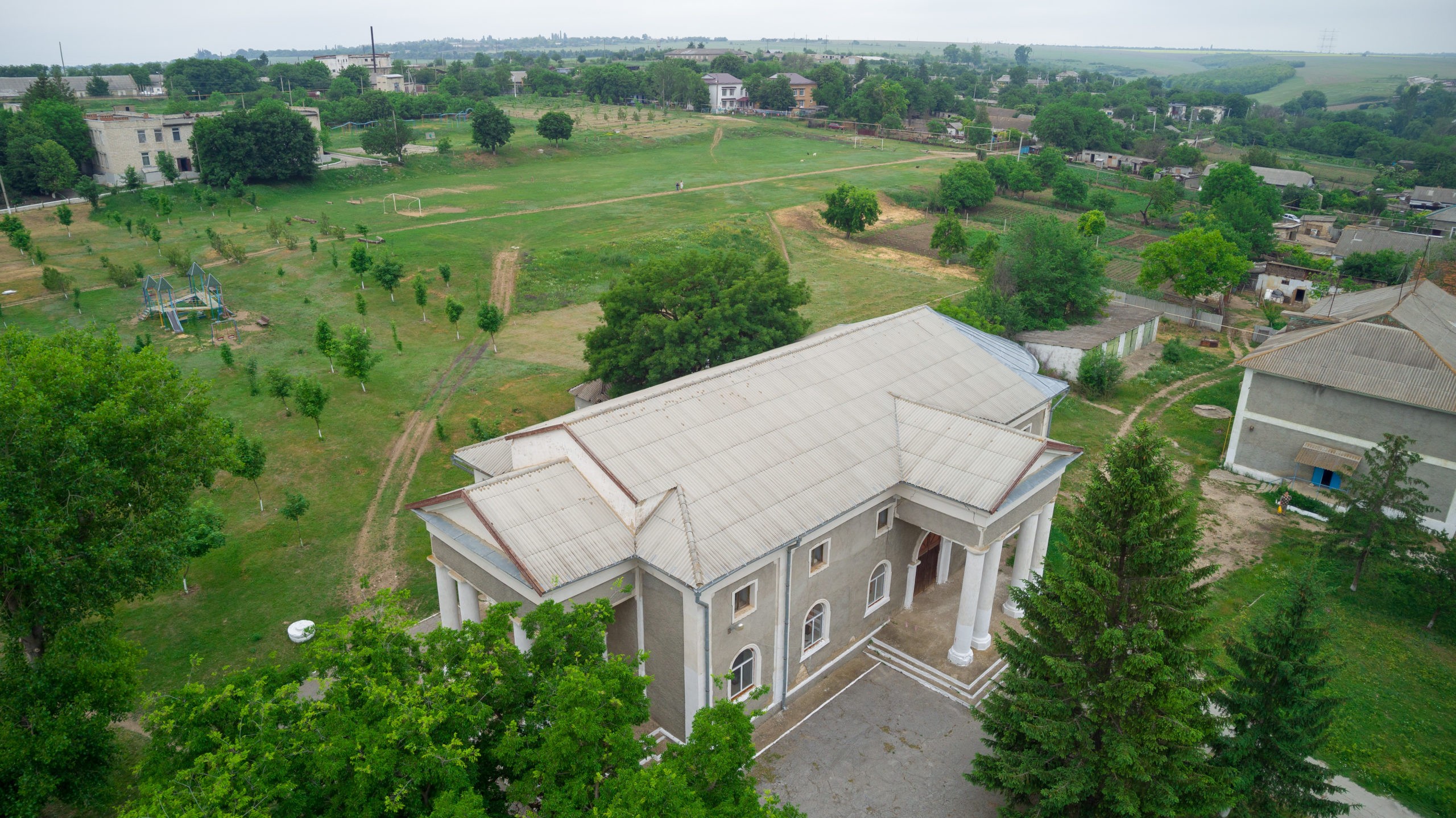
At the beginning of the 19th century, the lands of Pridnestrovie were being actively settled by new communities, with German colonists among those who chose to make their home here. Glueckstahl — meaning “Valley of Happiness” — now known as Glinoe, became one of the first of these German settlements in the region, quickly developing a community life centered around faith and agriculture.
In 1832, the settlement’s original church was closed, prompting the government to allocate 4,000 silver rubles toward the construction of a new one. The colonists contributed their own funds to supplement this allocation, and on September 30, 1845, a magnificent new temple appeared in the village. Designed and built by architect Christian Beutelbacher in the classical style, the church represented a significant architectural achievement for a rural settlement. Among its most remarkable features was the largest organ found in any of the German colonies on the left bank of the Dniester region — a musical instrument that must have made this church a destination for worship well beyond its immediate community.
As the decades passed, the German community gradually departed from the village, which after the Great Patriotic War became known by its current name of Glinoe. Today, the historic church building serves as the village House of Culture — a secular cultural purpose that nonetheless preserves this remarkable 19th-century structure for ongoing community use, connecting the village’s present to the German colonial heritage that shaped its earliest development.
Address: 53, Gagarina str., Glinoe village
