Skip to content
Family Vault of the Wittgensteins

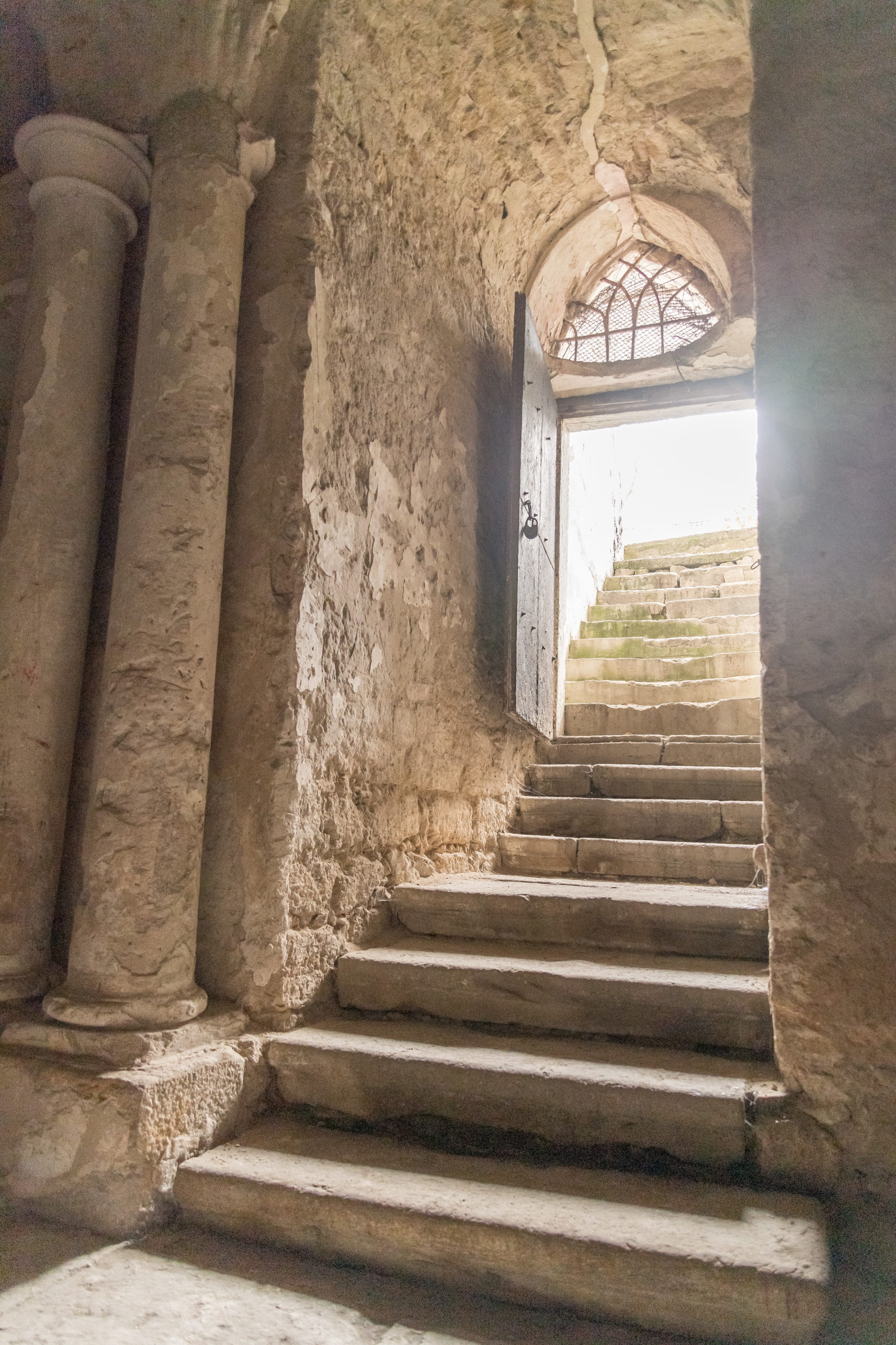
The family vault of Prince P.Kh. Wittgenstein — outstanding Russian military commander and Hero of the Patriotic War of 1812 — was constructed in 1840 alongside the Lutheran Church in Kamenka, creating a dignified final resting place for one of the most significant aristocratic families in the history of this northern Pridnestrovian town. The vault’s interior featured niches designed for the burial of family members, each elaborately decorated with columns and topped with a vaulted ceiling that reflected the architectural ambitions and social standing of the Wittgenstein dynasty.
Historical records confirm that Peter Khristianovich himself was interred here, alongside his wife Antonina Stanislavovna, his daughter Emilia Petrovna Trubetskaya and other family members. Among the more poignant elements of the vault’s history was the presence of a silver vessel containing the heart of Wittgenstein’s son Lev Petrovich, who died in Germany — a reflection of the 19th-century aristocratic custom of ensuring that even those who died far from home could be returned, at least in part, to their family’s ancestral resting place. Each niche was sealed with a marble slab bearing the full name, patronymic and dates of birth and death of the person interred within.
The vault’s story took a tragic turn in the Soviet era: the Lutheran Church alongside which it stood was closed in 1934, and the family vault was subsequently desecrated in the years that followed. Today, only a single marble plate — marking the grave of A.S. Wittgenstein (Snarska) — has survived the destruction. The final resting places of the other Wittgenstein family members buried here remain unknown, leaving this historic vault as a monument to both the family’s former significance and the irreversible losses that the Soviet period inflicted upon this remarkable aristocratic legacy.
Location: Kamenka