Skip to content
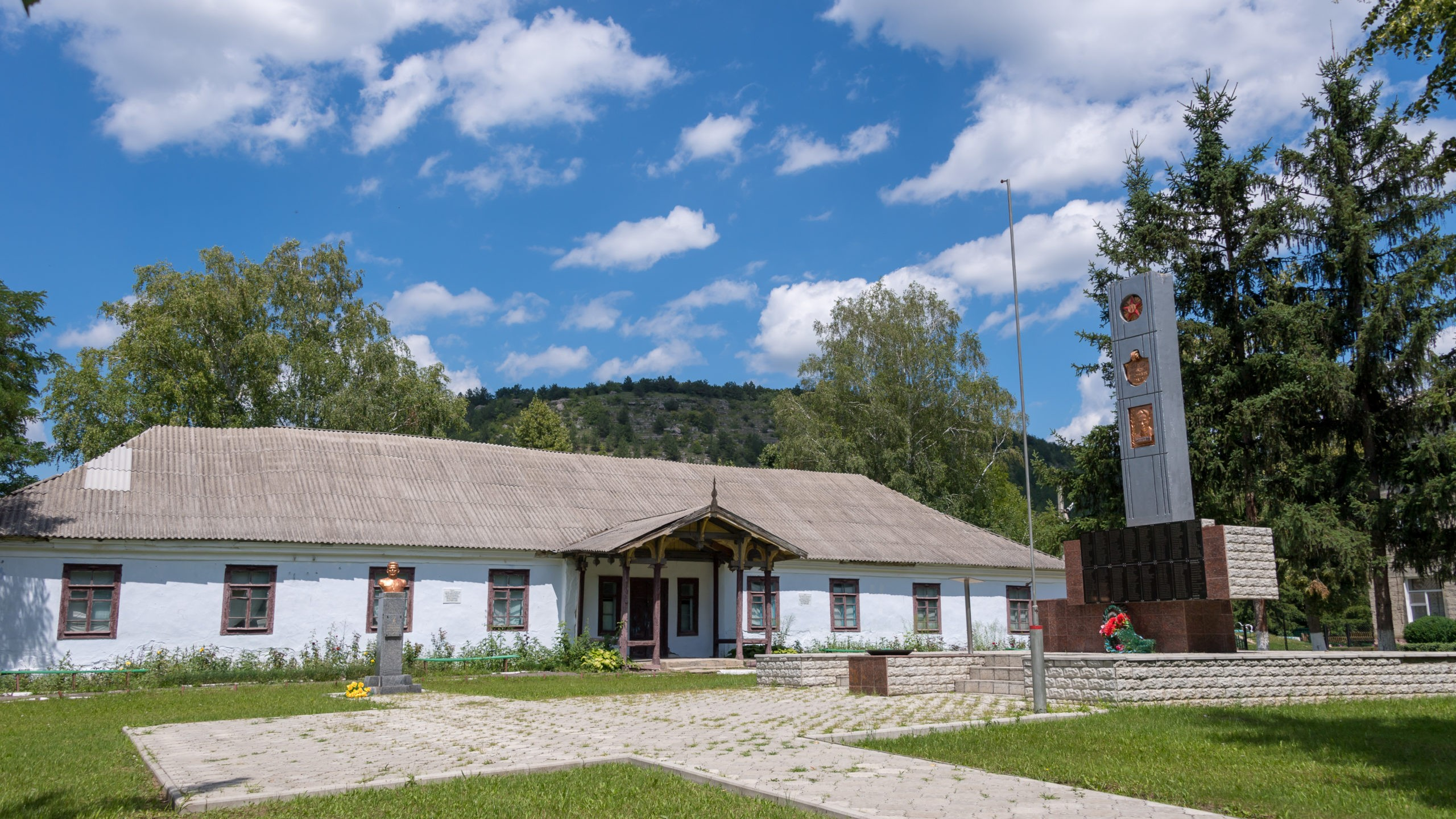
Museum of the Hero of the Soviet Union F.I. Zharchinsky
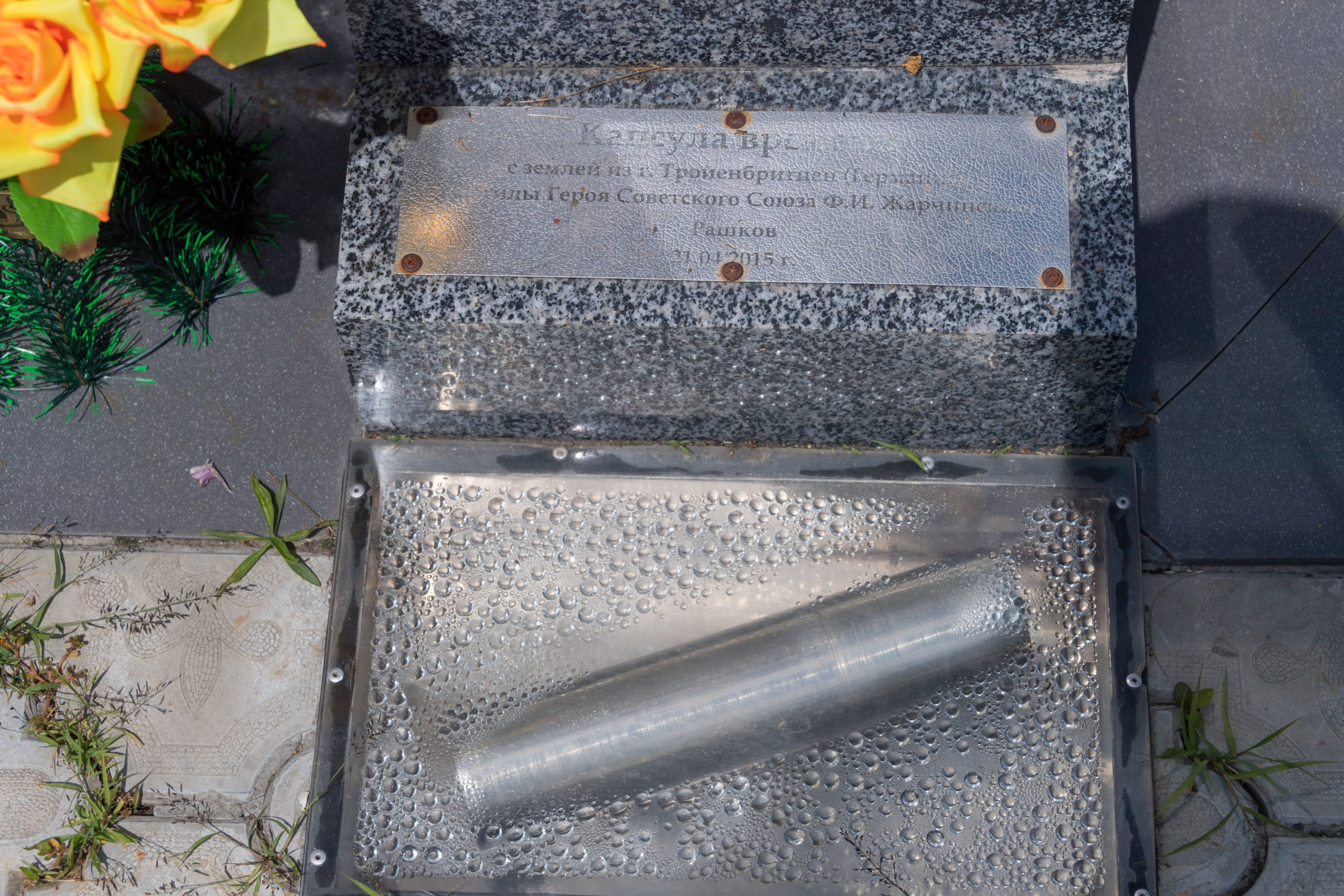
Fyodor Ivanovich Zharchinsky joined the Red Army at the very outbreak of World War II, subsequently participating in major battles across Ukraine, the Caucasus and Eastern Europe throughout the course of the conflict. The defining moment of his military career — and the act that would secure his place in history — came during the Berlin operation on April 21, 1945, when Senior Lieutenant Zharchinsky, leading a group of reconnaissance officers, discovered a concentration camp in the German town of Treuenbrietzen.
Without hesitation, Zharchinsky and his team made the decision to liberate the prisoners held there, engaging the camp’s guards in direct combat. The operation proved extraordinarily successful: 4,500 prisoners of war were freed, representing multiple nationalities — Russians, French, Poles, Danes, Belgians and Norwegians — including the commander of the Norwegian armed forces, Major General Otto Ruge, among the liberated. The human scale of this liberation remains one of the most remarkable individual military achievements connected to any soldier from this region.
The victory came at the ultimate personal cost: Zharchinsky, who had personally eliminated six guards and the camp commandant during the engagement, was fatally wounded in the final moments of the battle and died from his injuries shortly afterward. For this extraordinary act of heroism, he was posthumously awarded the title Hero of the Soviet Union.
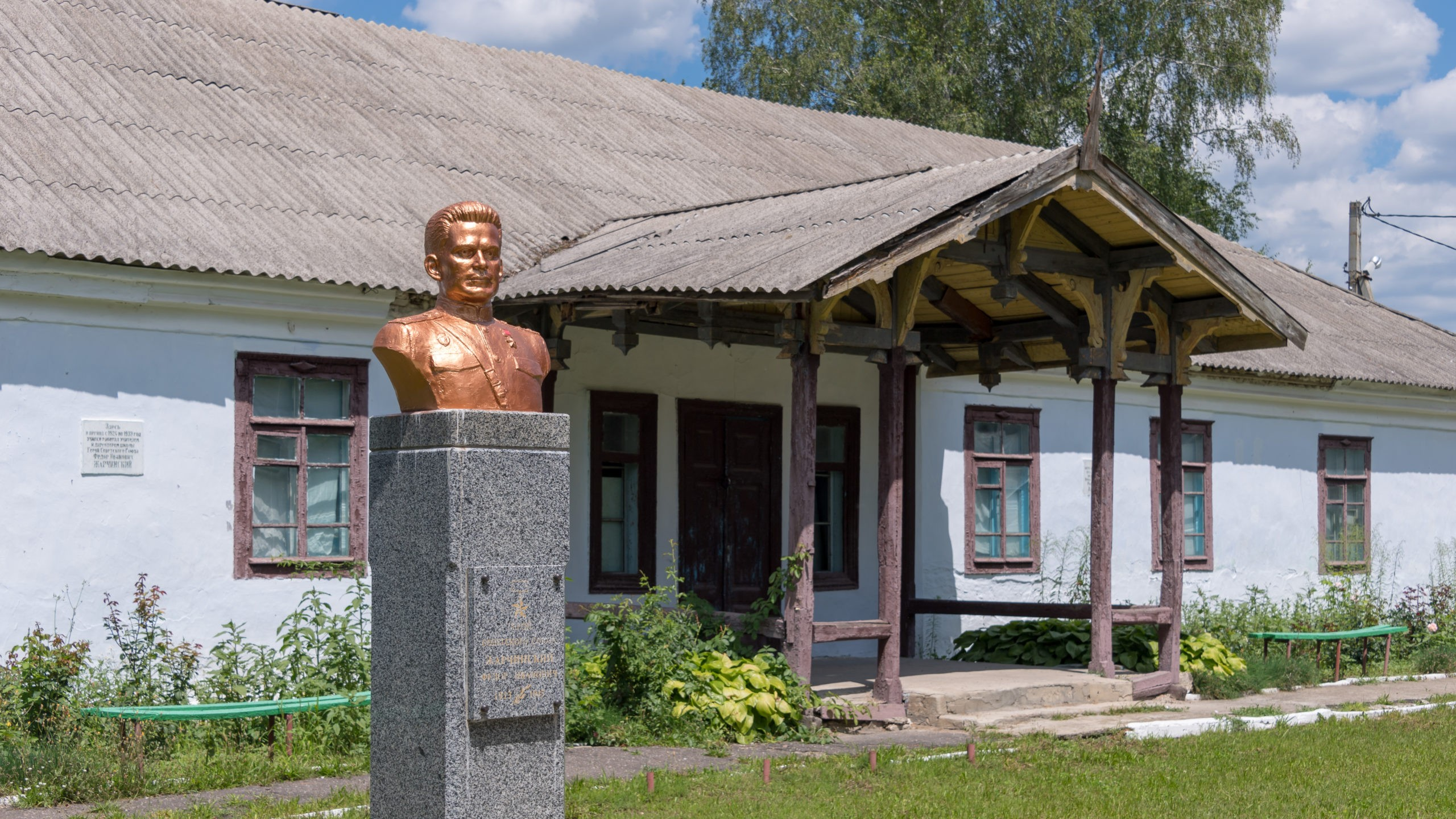
On May 23, 1982, a museum dedicated to this outstanding native of Rashkov was opened in the village, preserving his remarkable story for future generations. In 2011, a bust honoring the hero was installed beside the school where he had worked as both teacher and director before the war that would claim his life — creating a lasting connection between this celebrated warrior and the educational institution where his civilian life of service to his community began.
Address: 35, Fiodora Zharchinskogo Str., Rashkov village, Kamenka district