Skip to content
Synagogue Ruins
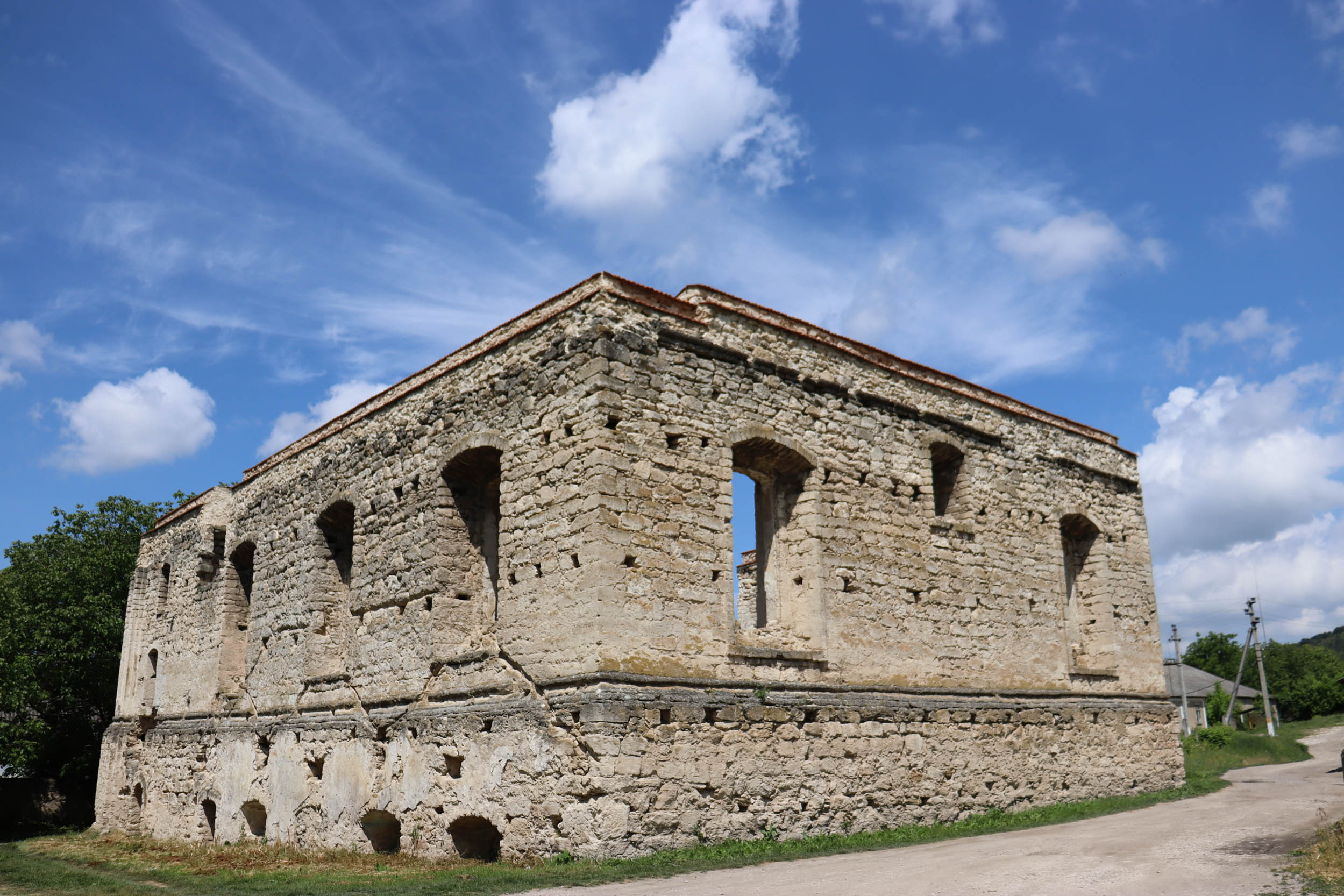
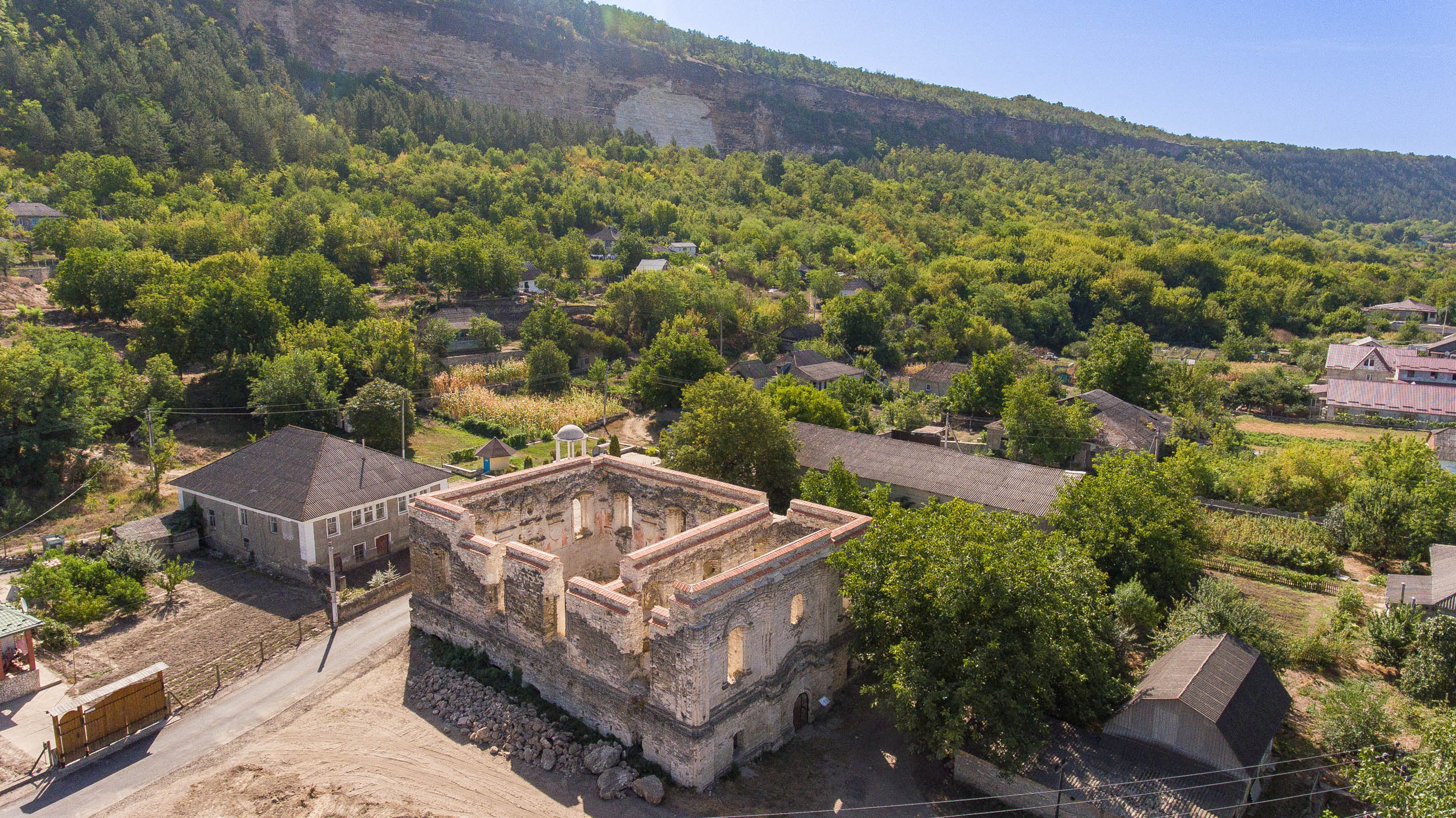
The synagogue of Rashkov was constructed around 1749, funded through what was known as the “box fee” — a special tax levied within the Jewish community to support communal institutions and religious infrastructure. At the time of its construction, Rashkov stood as one of the significant centers of world Hasidism, the profound religious movement that swept through the Jewish populations of the Polish-Lithuanian Commonwealth and adjacent territories from the early 18th century onward, and the synagogue served as the spiritual hub of what was at that time a substantial and vibrant Jewish community in this Dniester village.
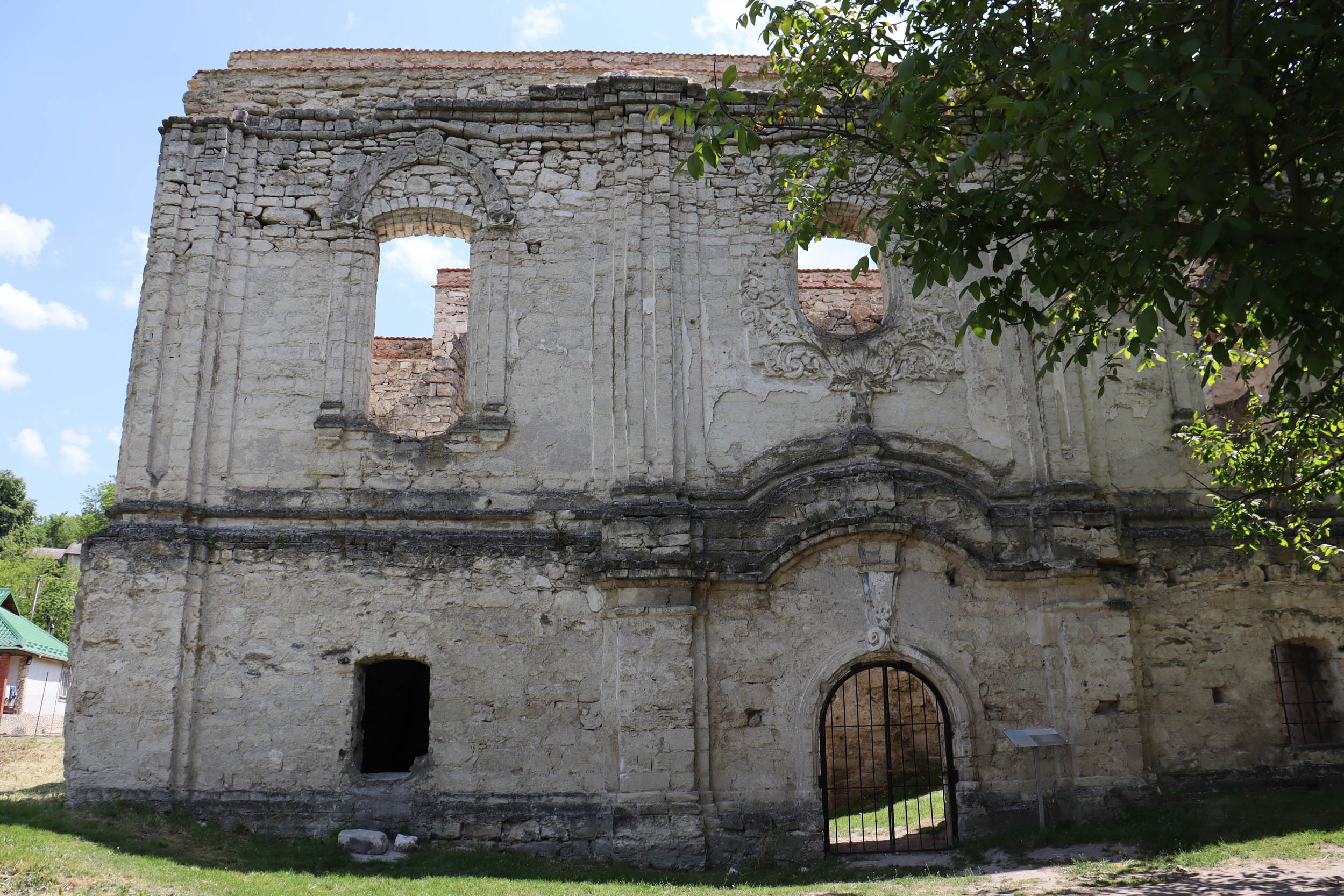
For many decades, this magnificent building anchored the religious and communal life of Rashkov’s Jews — a community whose presence in the village was documented as far back as 1637 and who had established Rashkov as an important center of Hasidic scholarship and practice. The anti-religious campaigns of the early 1930s brought devastation: the synagogue’s dome was destroyed during this period, severing the building’s most visually distinctive feature and signaling the beginning of the decline of Jewish religious life in Rashkov.
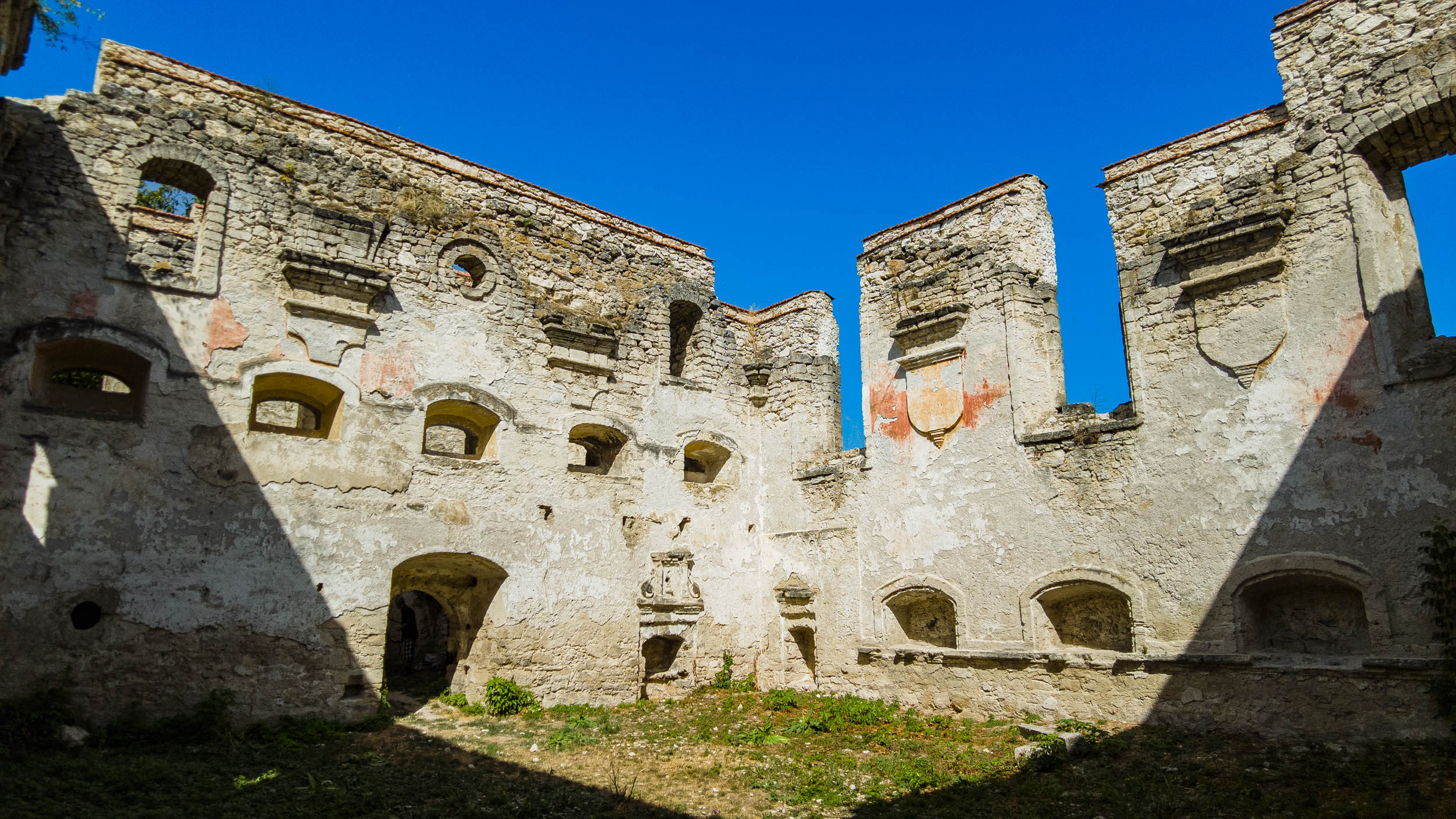
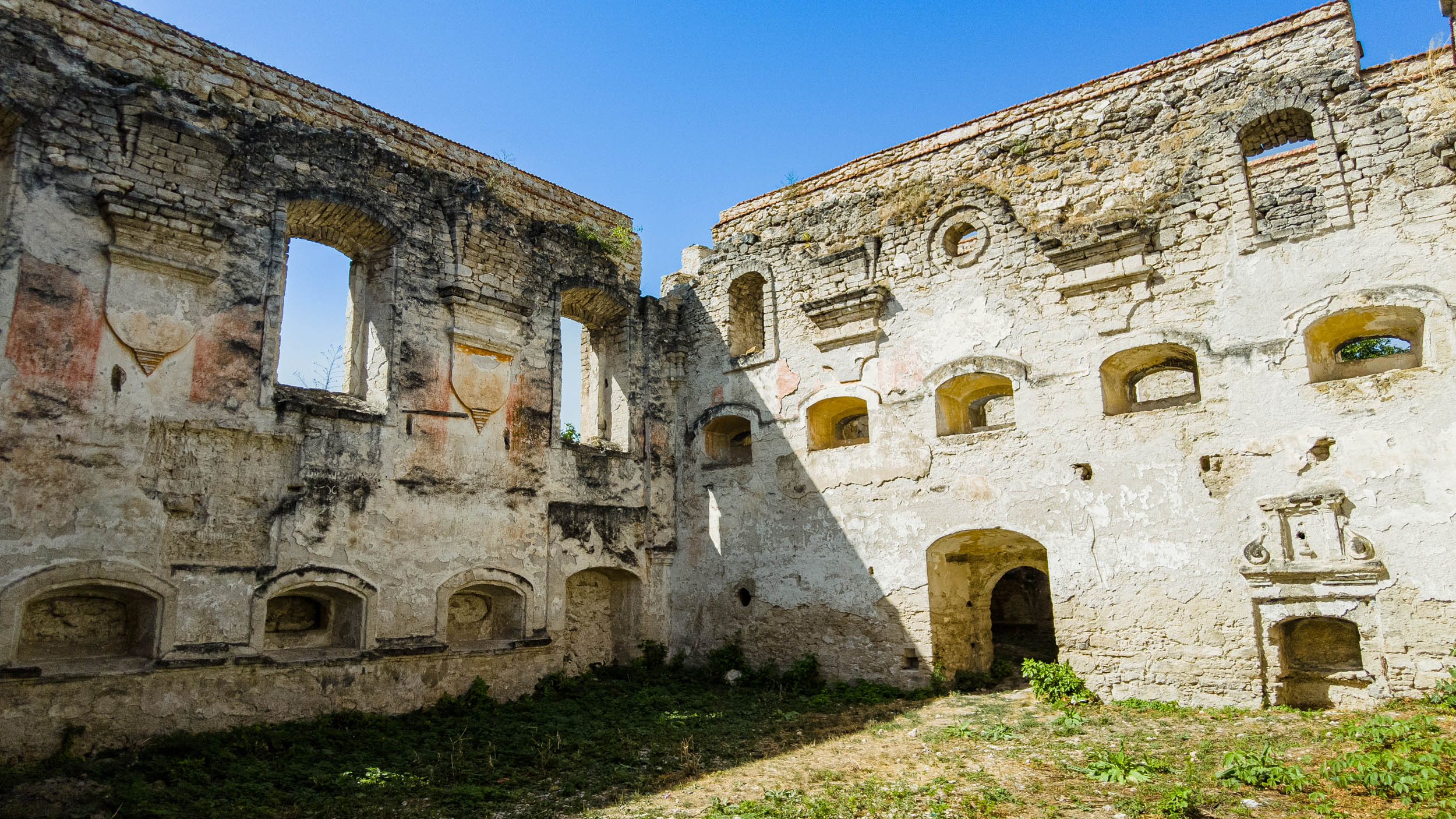
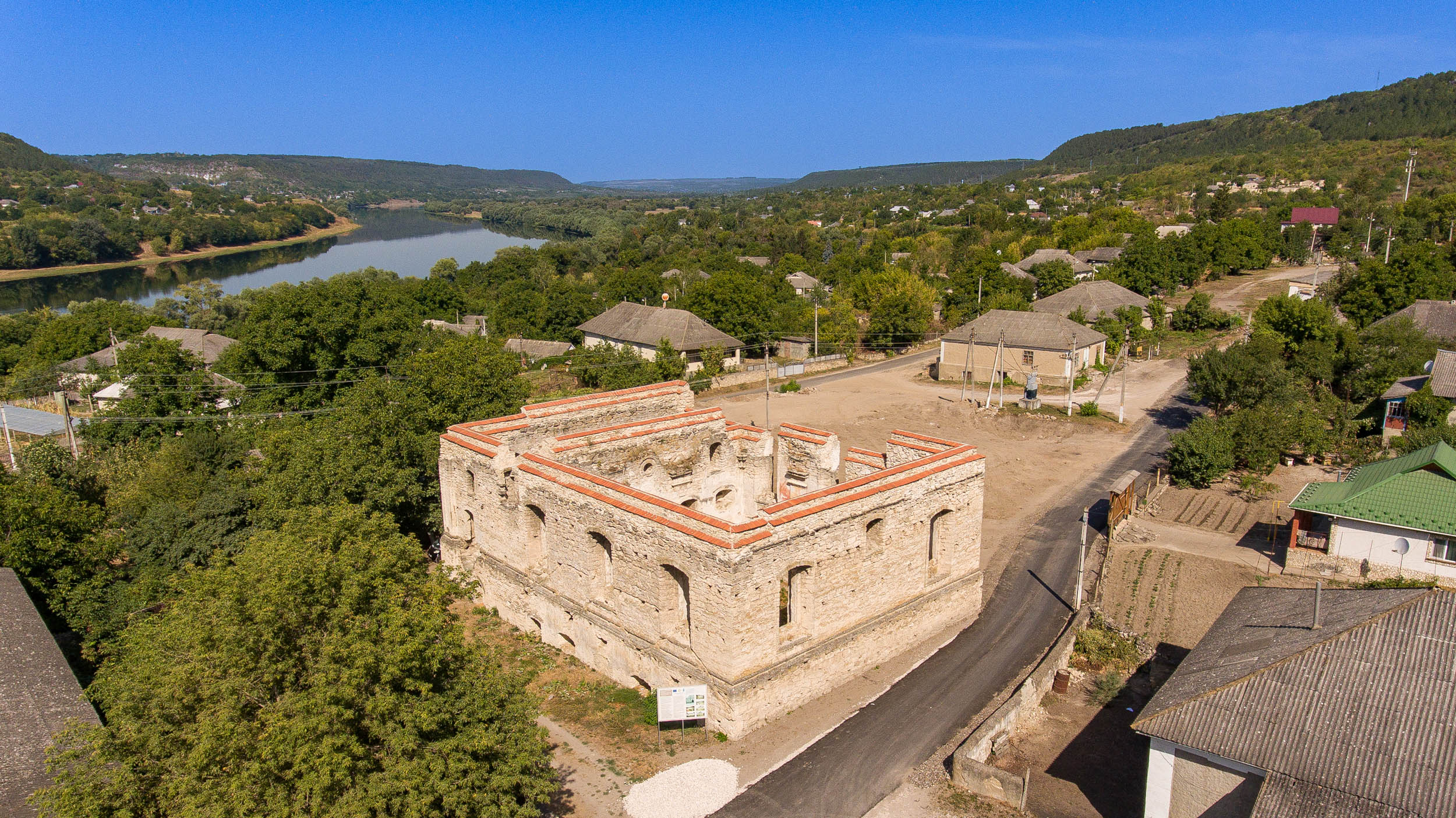
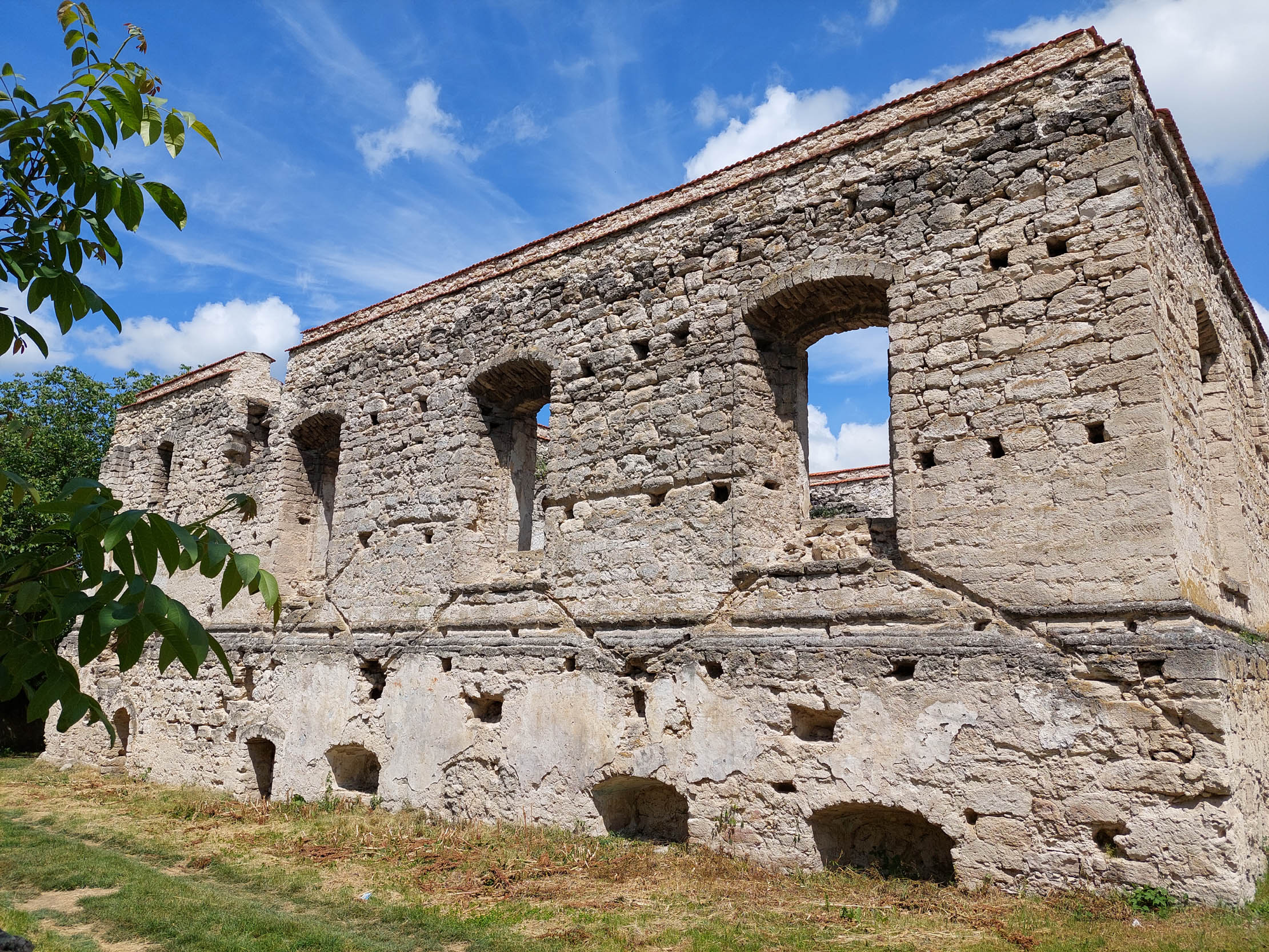
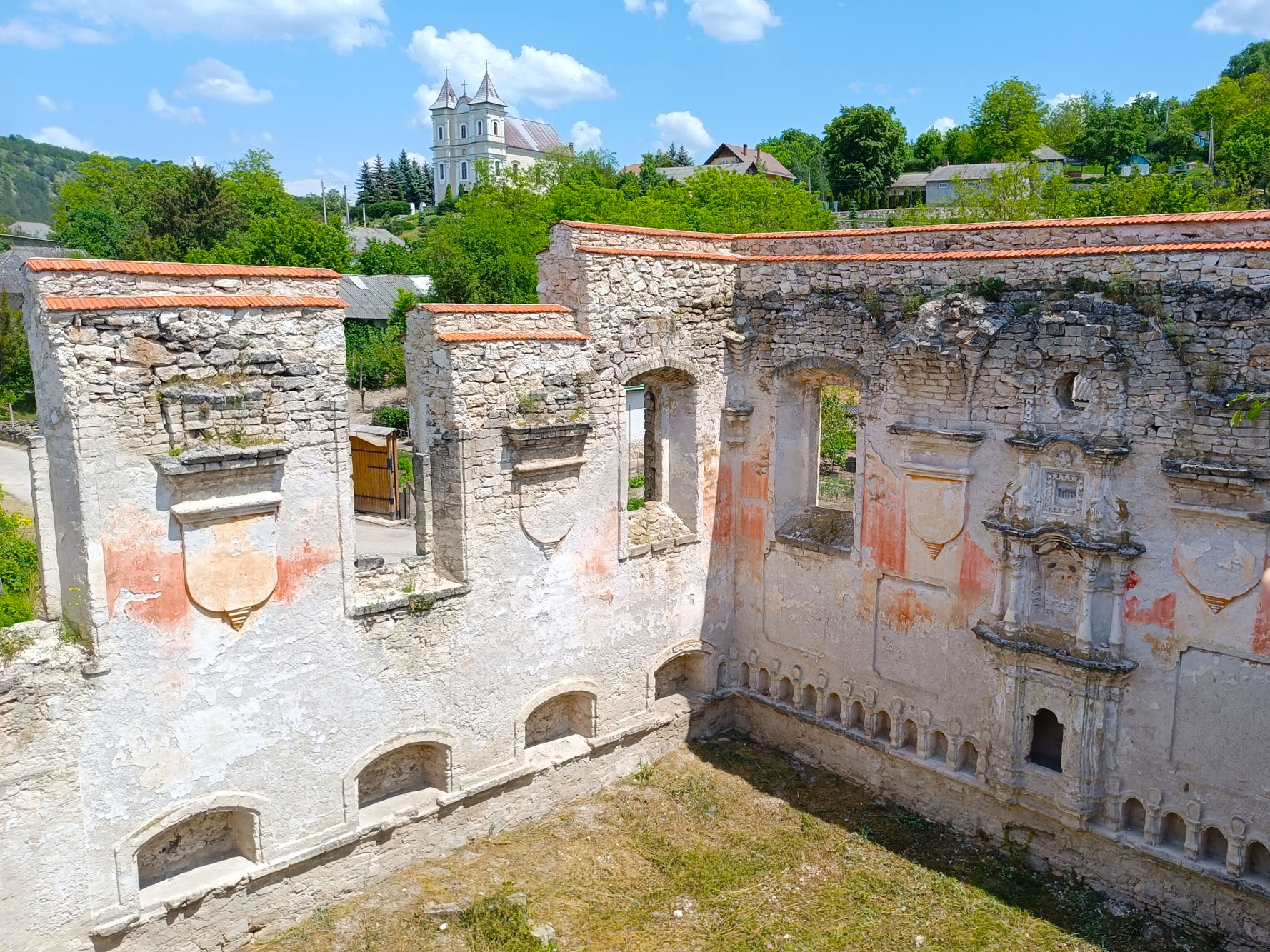
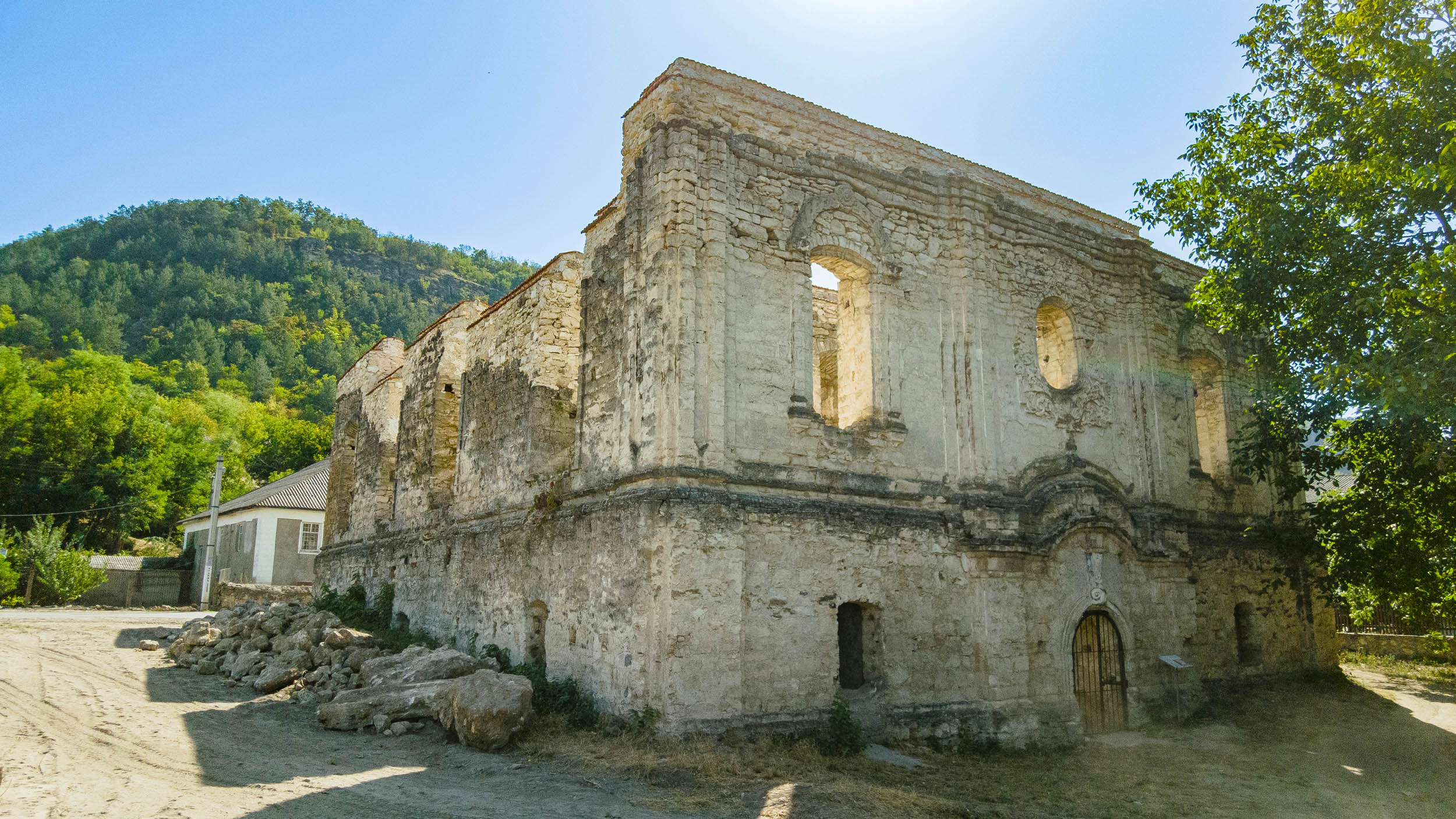
Today, only the stone walls and some surviving elements of the interior remain, standing as poignant reminders of the magnificent structure that once occupied this place and of the rich Jewish civilization that created it. For visitors exploring Rashkov’s extraordinary multicultural heritage, these ruins — alongside the village’s Jewish cemeteries and the grave of Rabbi Shabtai — form an essential part of understanding the complex historical tapestry that makes this ancient village one of the most historically significant destinations in all of Pridnestrovie.
Location: Rashkov village, Kamenka district