Skip to content
History of Rybnitsa

5. History of Rybnitsa
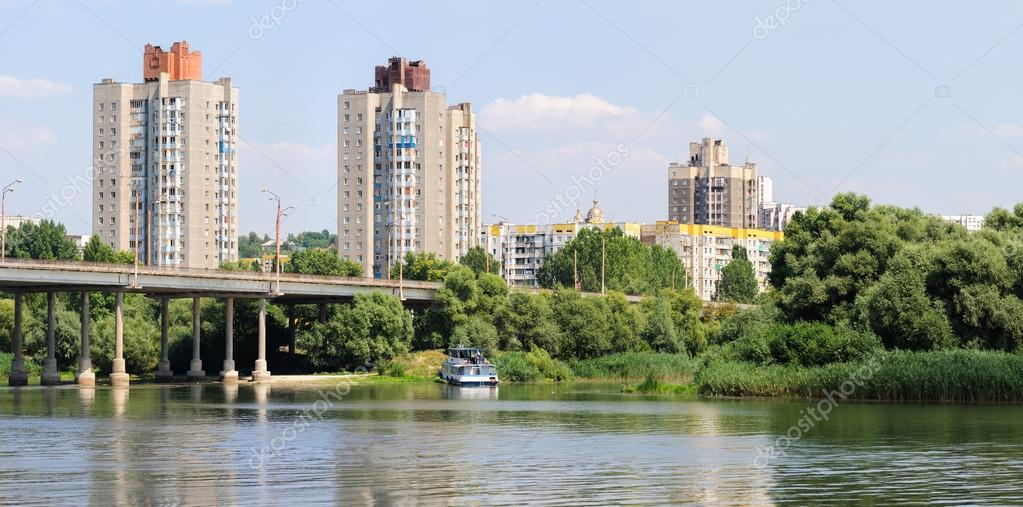
The Rybnitsa district was officially established on October 12, 1924, as part of the Moldavian Autonomous Soviet Socialist Republic, though the city’s roots stretch considerably further back — the first written mention of Rybnitsa appears in historical documents from the early 17th century. In 1793, this territory was incorporated into the Russian Empire following the second partition of the Polish-Lithuanian Commonwealth.
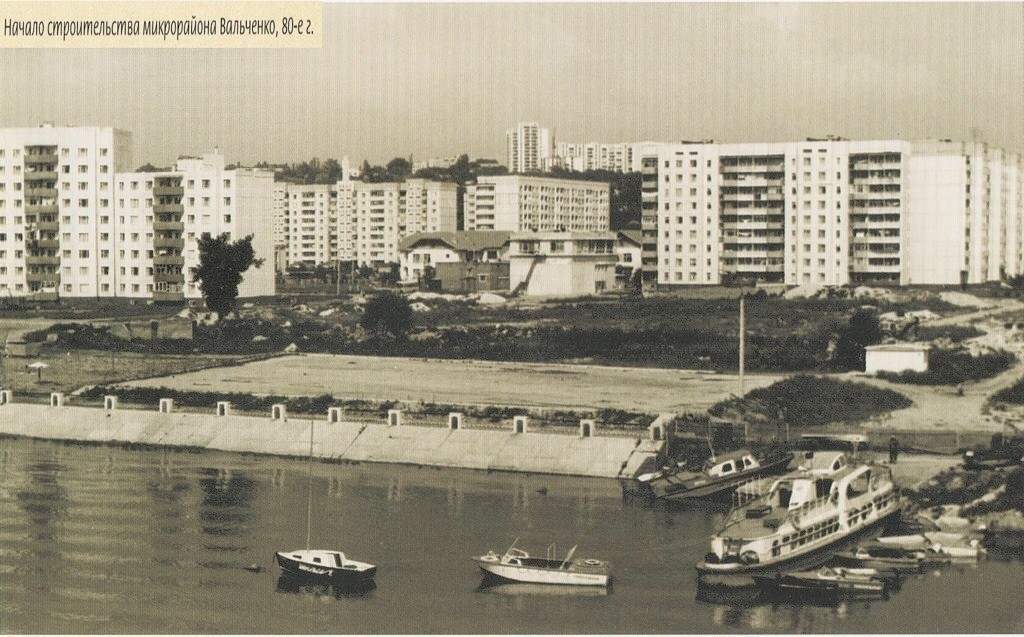
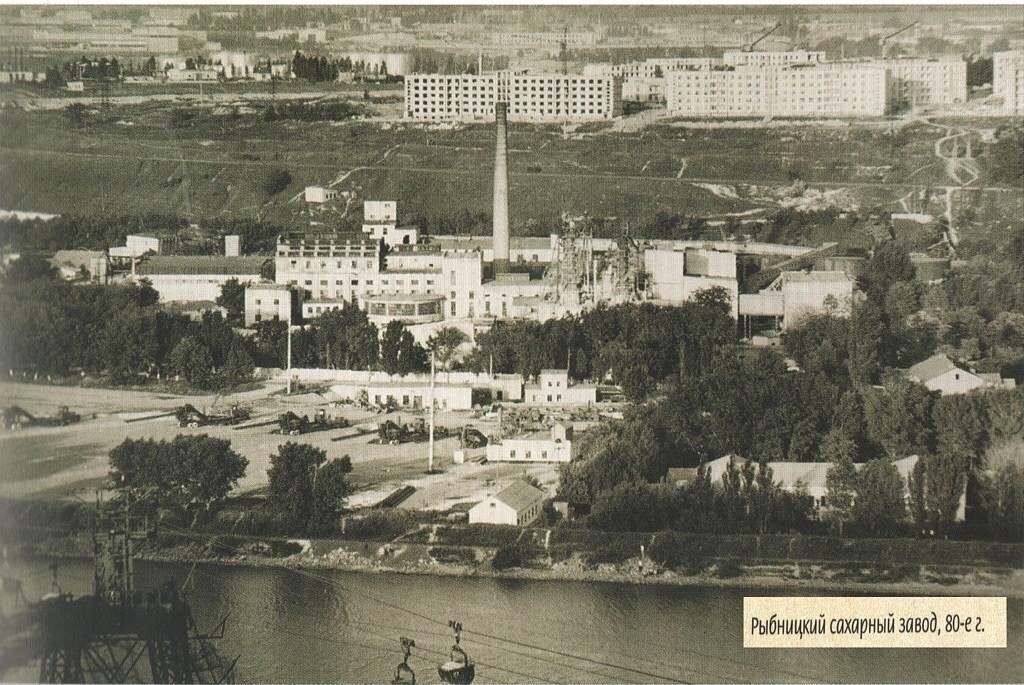
A transformative moment arrived at the end of the 19th century with the coming of the railway, which made Rybnitsa a crossroads of three distinct forms of communication — highway, waterway and railway — simultaneously. During the Soviet era, new enterprises appeared in the city in rapid succession, establishing the industrial foundation that makes Rybnitsa the largest industrial center in Pridnestrovie to this day. Moldova Steel Works and the Rybnitsa Cement Plant remain the flagship enterprises of domestic industry and among the republic’s most significant taxpayers. The city and district are home to approximately 69,000 people.
What makes Rybnitsa remarkable:
Rybnitsa’s steel is known around the world. Moldova Steel Works ranks among the 10 best metallurgical enterprises globally, with Rybnitsa steel used across virtually every continent. In 2000, steel from this city was specifically chosen for the repair of the Ostankino TV Tower in Moscow.
Rybnitsa’s cement is among the finest ever produced. The Rybnitsa Cement Plant received the prestigious Arch of Europe Gold Star award in Spain. This cement built thousands of residential buildings and industrial giants including Moldova Steel Works itself, the Dubossary and Moldavian hydroelectric stations, and the Zaporizhzhya Nuclear Power Plant. During the 1980s, Rybnitsa-produced slate was even exported as far as Cuba.
The largest church in Pridnestrovie and Moldova stands in Rybnitsa. The Archangel Michael Cathedral can simultaneously accommodate approximately two thousand parishioners. Built in the Russian architectural style and crowned with five domes, its bell tower houses the great “Blagovest” bell, weighing approximately 100 kilograms.
Rybnitsa keeps relics of extraordinary rarity. The Catholic Church in Rybnitsa preserves the relics of St. Clement, Pope III — shrines of comparable significance are held only in Rome, Crimea and the Kyiv-Pechersk Lavra. During the 1930s, the original church was destroyed and those who sheltered the priest were executed by the NKVD. The relics miraculously survived, discovered entirely by chance among the possessions of elderly local residents on Christmas Day 2003.
Rybnitsa is the birthplace of celebrated visual artists. World-famous illustrator Vladimir Zmeyev was born here — generations of children around the world grew up reading “The Three Musketeers,” “The Count of Monte Cristo” and “Gulliver’s Travels” with his distinctive illustrations. Ilya Bogdesco, also born in Rybnitsa, contributed immeasurably to world literary heritage through his illustrations for Gogol’s “Sorochinskaya Fair,” Pushkin’s “The Gypsies” and many other works — earning recognition from both the Russian Academy of Arts and the Spanish Royal Academy of Arts.
The greatest calligrapher of his generation came from Rybnitsa. Ilya Bogdesco is recognized among the 10 finest calligraphers in the world and created his own distinctive typographic font known as the “Alphabet of Bogdesco.”
The land of Rybnitsa gave the world unforgettable music. Evgeny Doga, born in the Rybnitsa district, is among the 20 most performed composers in the world, with his waltz “My Gentle and Tender Beast” recognized by UNESCO as one of the masterpieces of the 20th century. The district also gave humanity one of the greatest pianists of the 19th century — Anton Rubinstein, founder of the first Russian conservatory. His two beloved grand pianos — one white, one black — rest today in the museums of St. Petersburg and the village of Ofatinti, Rybnitsa district, respectively.
Contemporary music owes a debt to Rybnitsa as well. Alexandru Polenov, founder of the celebrated Moldovan rock band “Zdob si Zdub,” hails from the city, as do “DoReDos” — winners of the Novaya Volna competition and Eurovision Song Contest finalists.