Skip to content
Grape Terraces
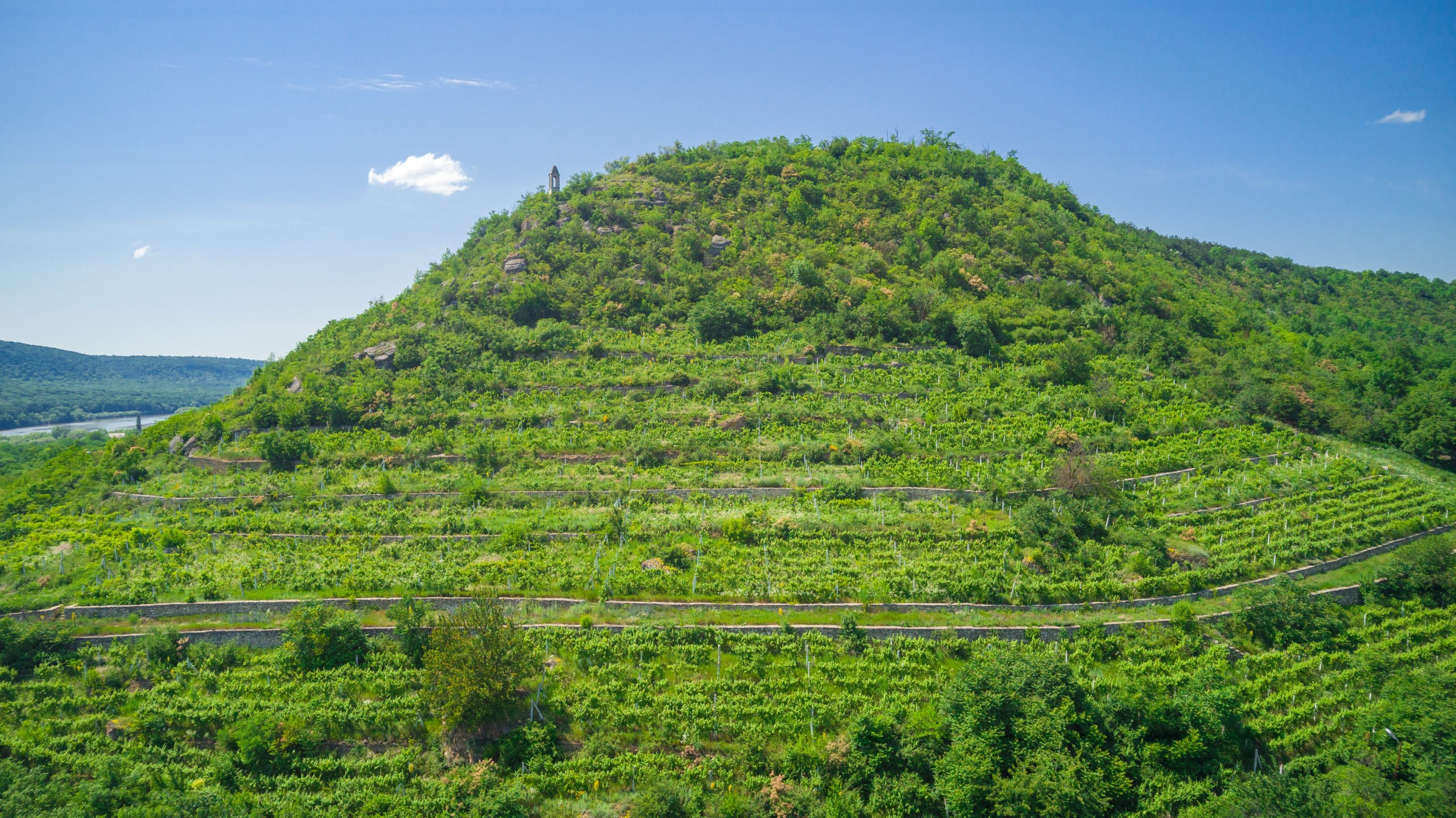
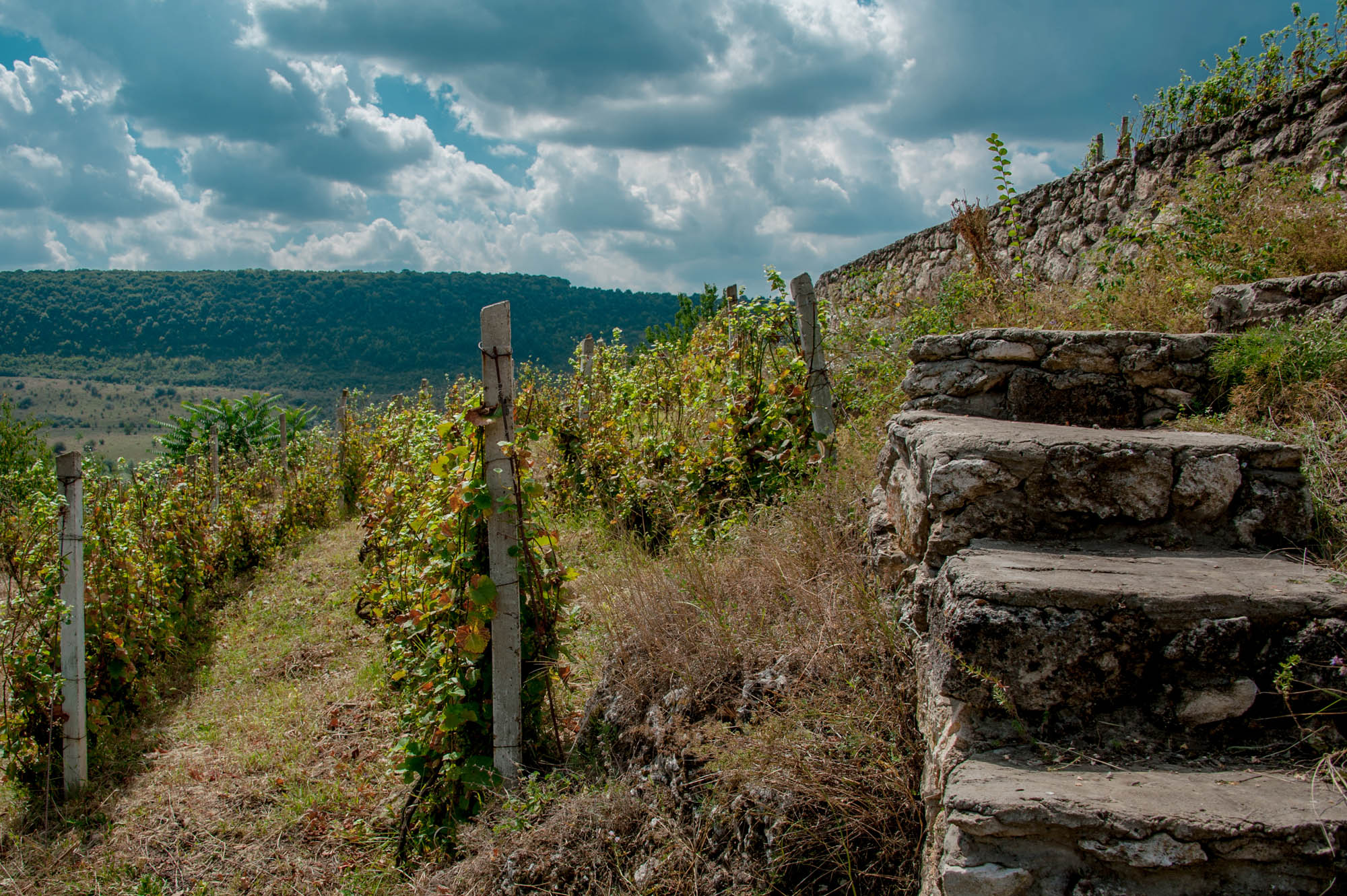
The grape terraces of Stroentsy form an inseparable part of the village’s rich history and visual identity, their stone-lined rows cascading down the hillside as they have done for more than two centuries. At the beginning of the 19th century, these terraces formed a central feature of Prince Wittgenstein’s estate, with the prince devoting particular attention and resources to the development of viticulture on his lands. Taking full advantage of the natural terrain, he arranged stone terraces on the eastern slope where both table and European technical grape varieties were planted, with specialists invited from Germany to oversee their cultivation and care.
The eastern exposure of the terraces ensures a generous amount of sunlight throughout the growing season, consistently producing rich and high-quality grape harvests. The wines produced in Stroentsy earned remarkable recognition for their therapeutic properties — regarded as one of the best remedies available for the treatment and prevention of gastric diseases, a claim that attracted health-conscious visitors to the village during the resort era of the 19th century.
Today, the grape terraces remain one of the most significant and visually striking attractions in Stroentsy, drawing visitors who come to appreciate both their historical importance and the beautiful agricultural landscape they continue to create on the slopes above the Dniester valley.
Location: Stroentsy village, Rybnitsa district