Skip to content
Kitskany Bridgehead
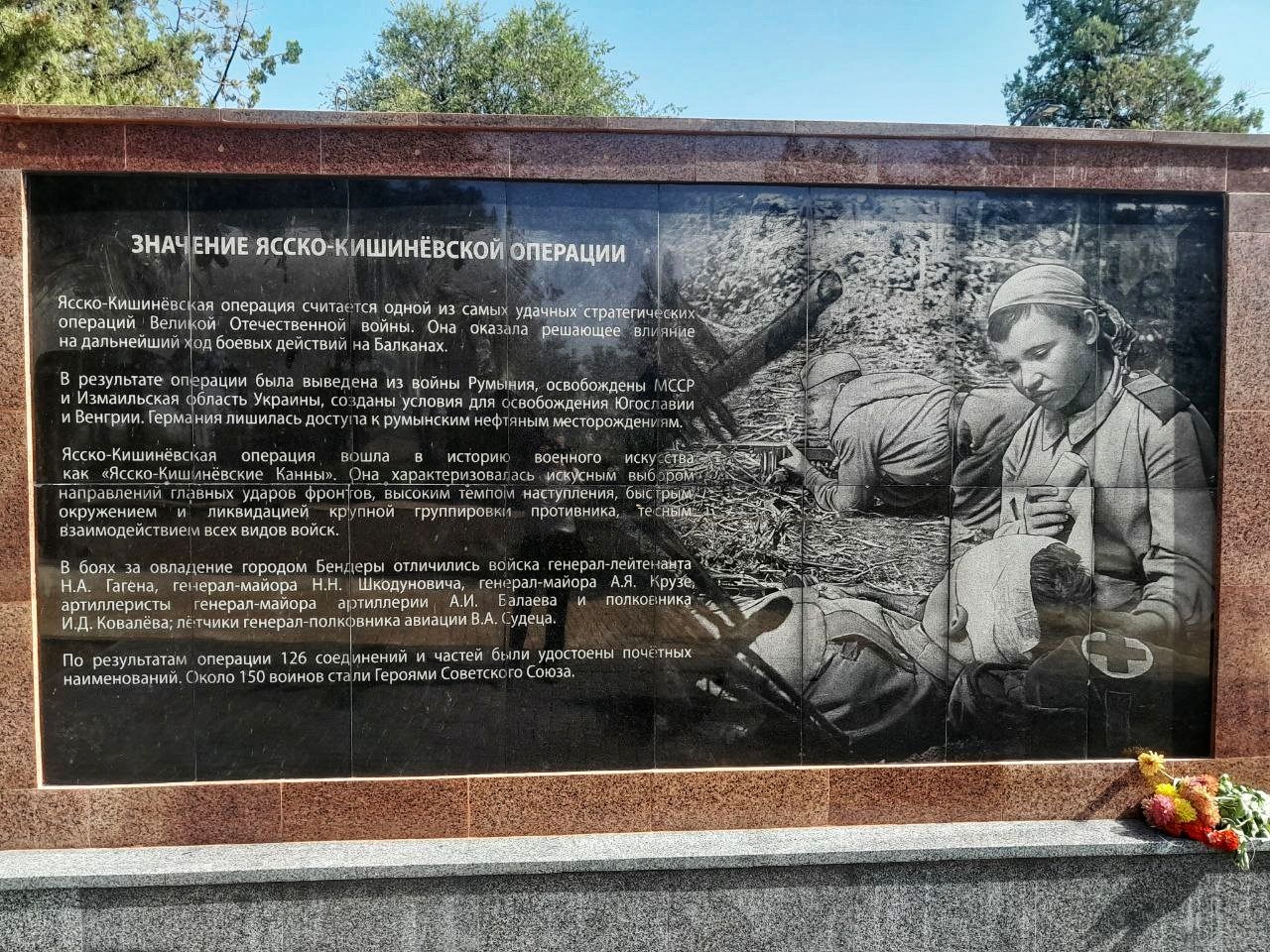
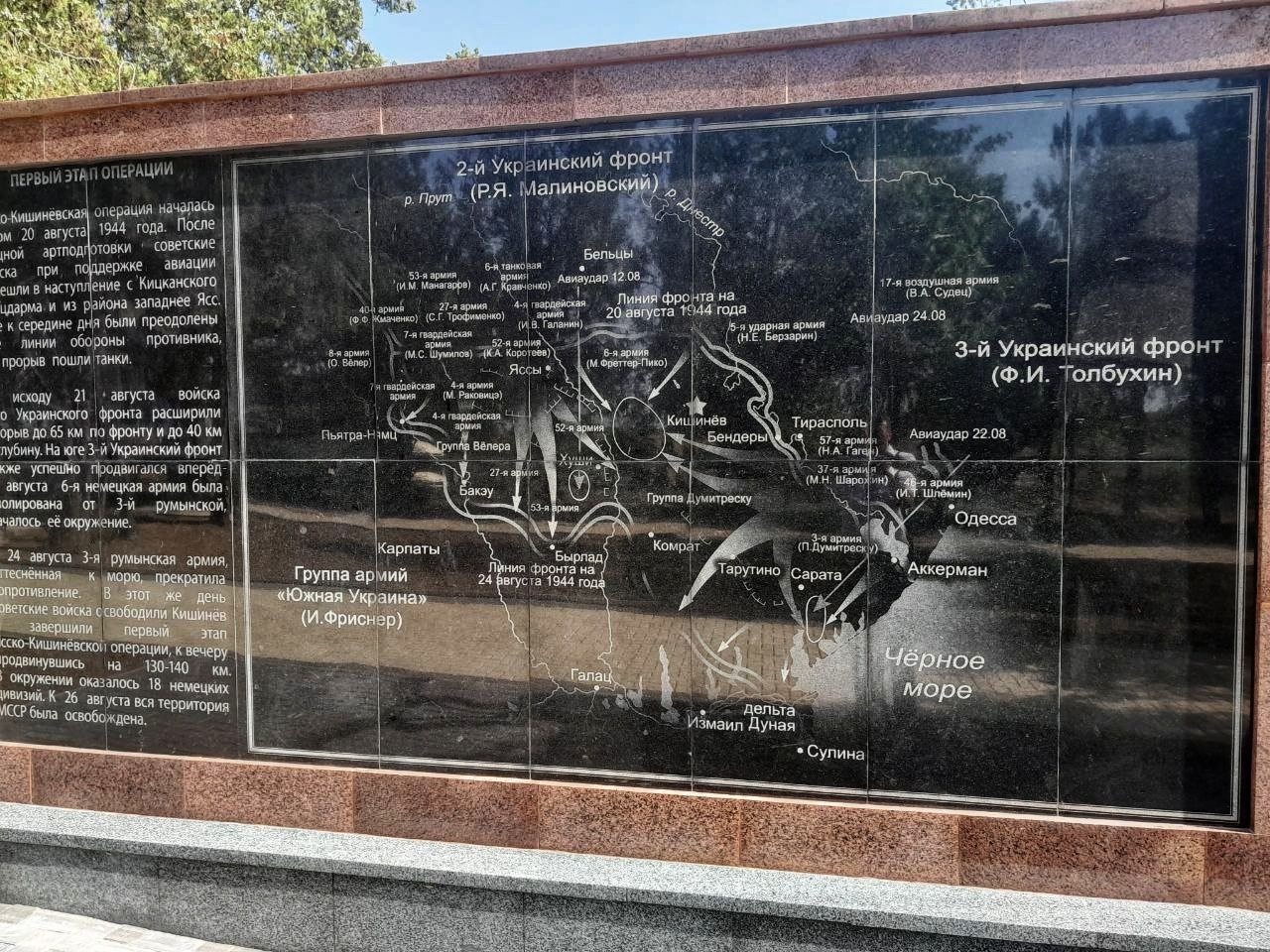
The Kitskany Bridgehead stands as one of the most strategically significant military sites in the history of Pridnestrovie, having played a decisive role in the success of the Iasi-Chisinau operation during World War II. The bridgehead was captured by troops of the 3rd Ukrainian Front during the Odessa operation of 1944, extending up to 18 kilometers along the front line and between 6 and 10 kilometers in depth. Fierce and sustained battles for control of this crucial position lasted more than four months.
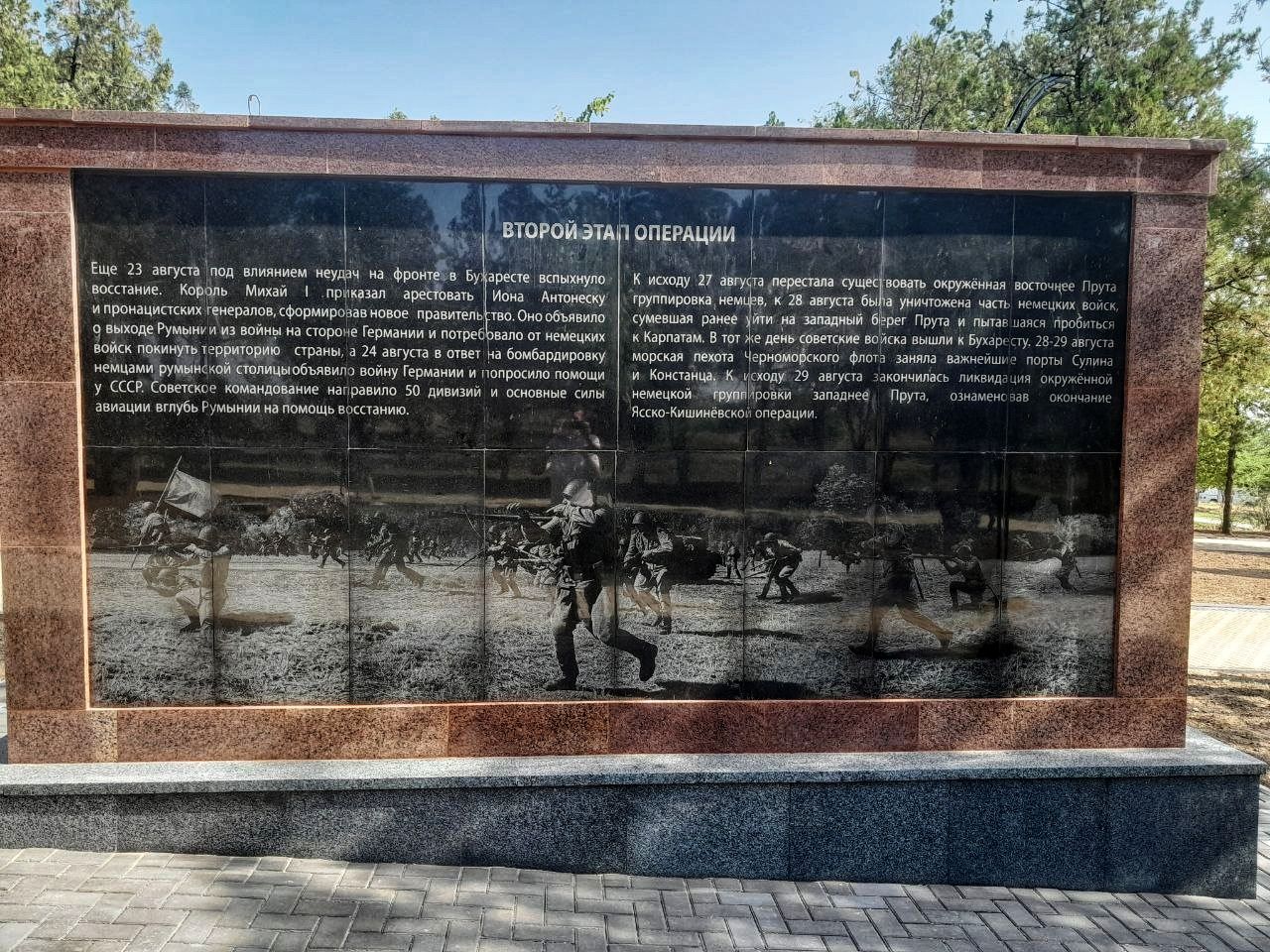
During this extended period, the bridgehead was comprehensively developed in engineering terms, allowing an extraordinary concentration of forces to be assembled within its limited space by the time the decisive operation began: five rifle corps, a mechanized corps, 51 artillery regiments and up to 30 special units were all positioned here. On August 20, 1944, the troops of the 3rd Ukrainian Front launched their main offensive blow against the enemy from this very bridgehead, initiating the defeat of German-Romanian forces throughout Soviet Moldavia. The resulting Iasi-Chisinau operation ultimately secured the liberation of the entire territory of what is now modern Pridnestrovie.
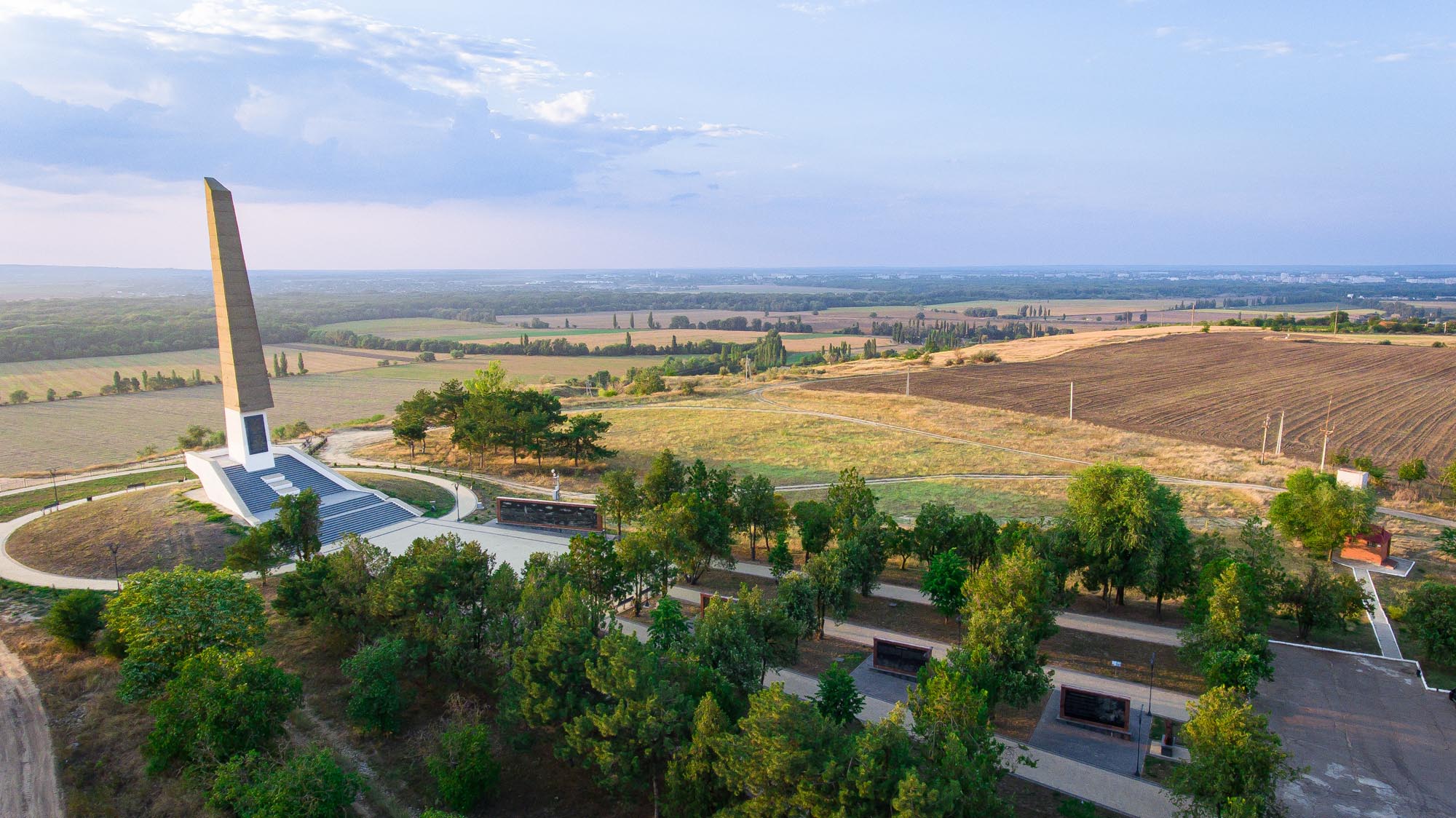
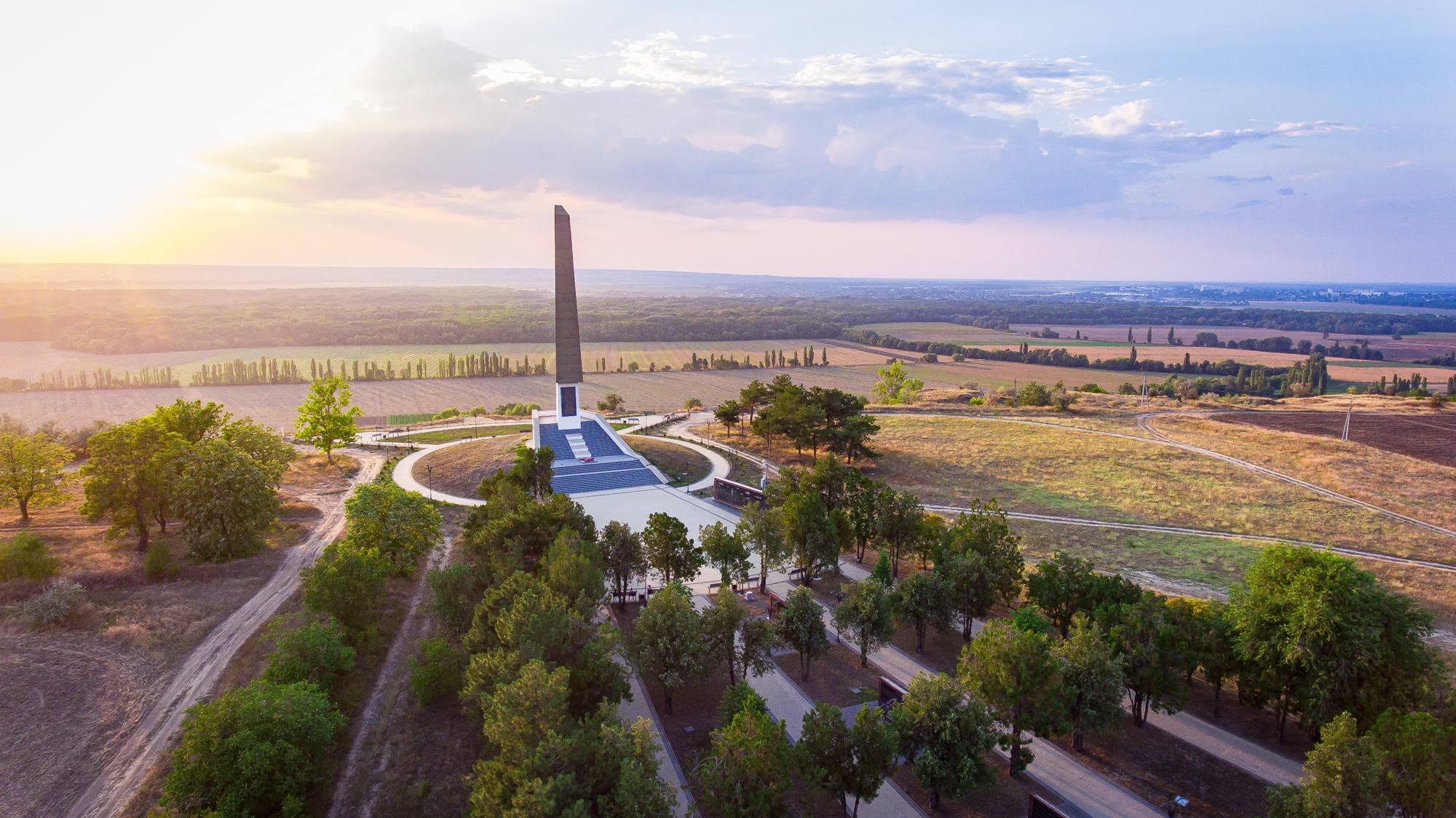
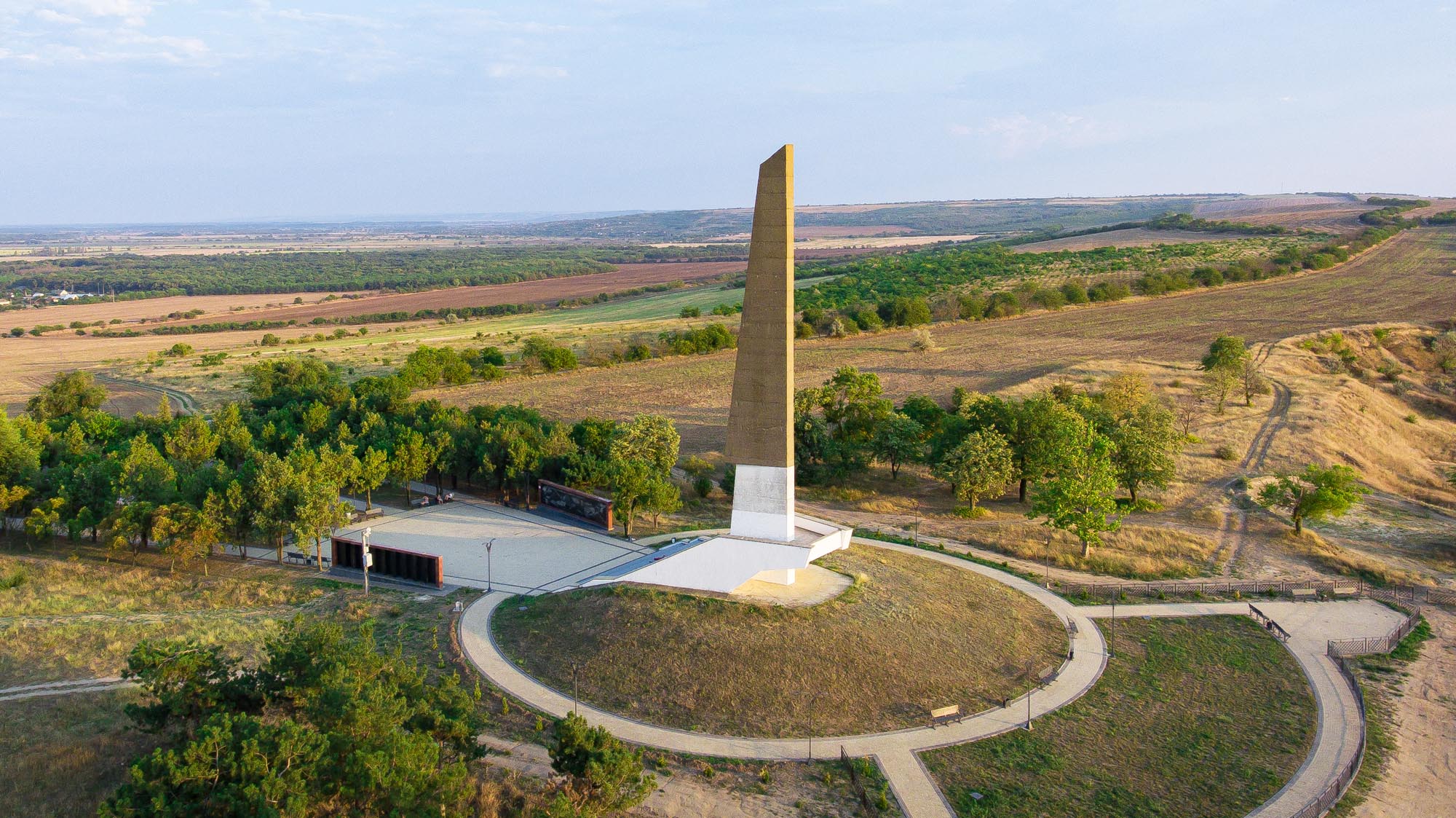
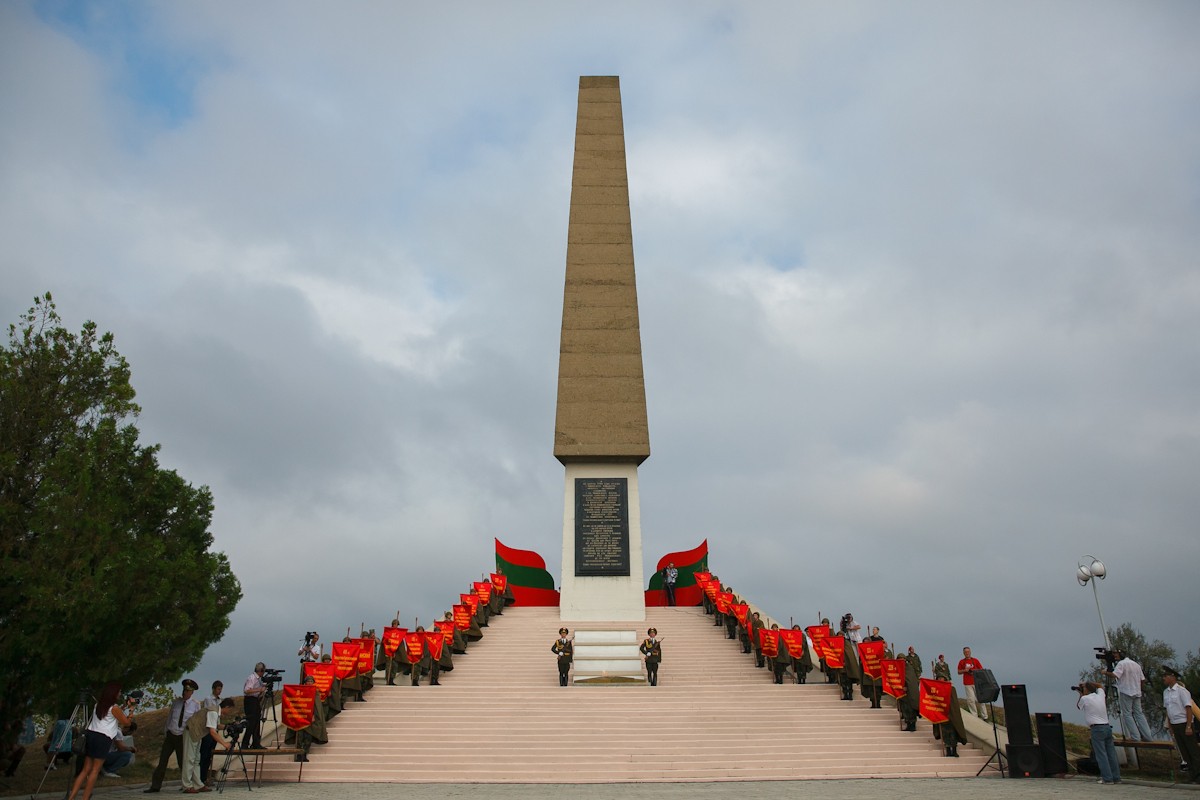
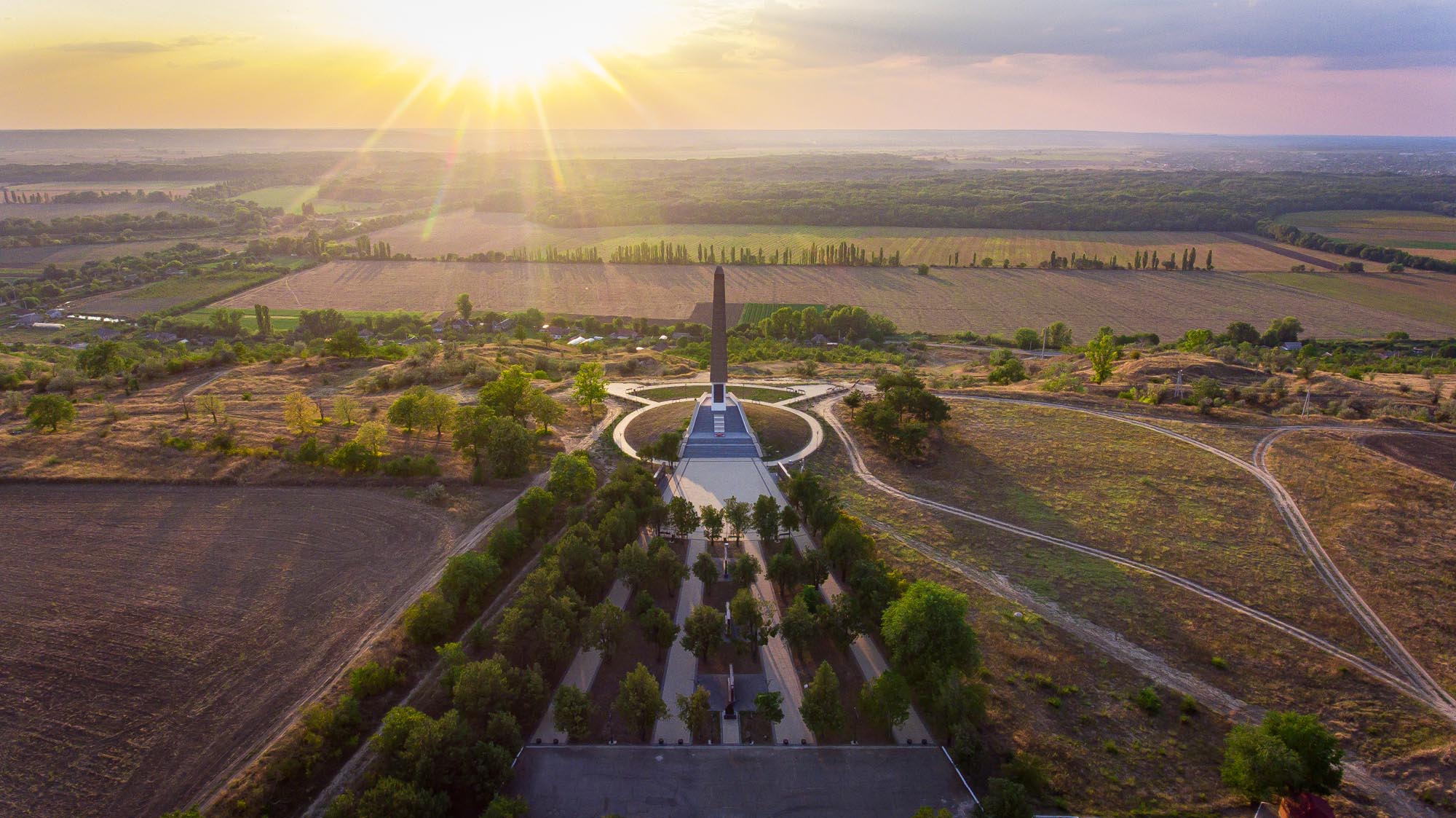
To preserve the memory of this extraordinary military achievement for future generations, a 35-meter memorial Obelisk of Glory — designed in the form of a concrete bayonet by architect S.M. Shoikhet — was unveiled on the highest point of the bridgehead on May 9, 1972. The monument remains one of the most visited historical sites in the Slobodzeya district today, with an observation deck at its summit offering impressive panoramic views across the surrounding Dniester valley landscape — a striking vantage point that also served strategic military purposes during the very battles the obelisk now commemorates.
Location: Kitskany village, Slobodzeya district