Skip to content
Park Named After D.K. Rodin
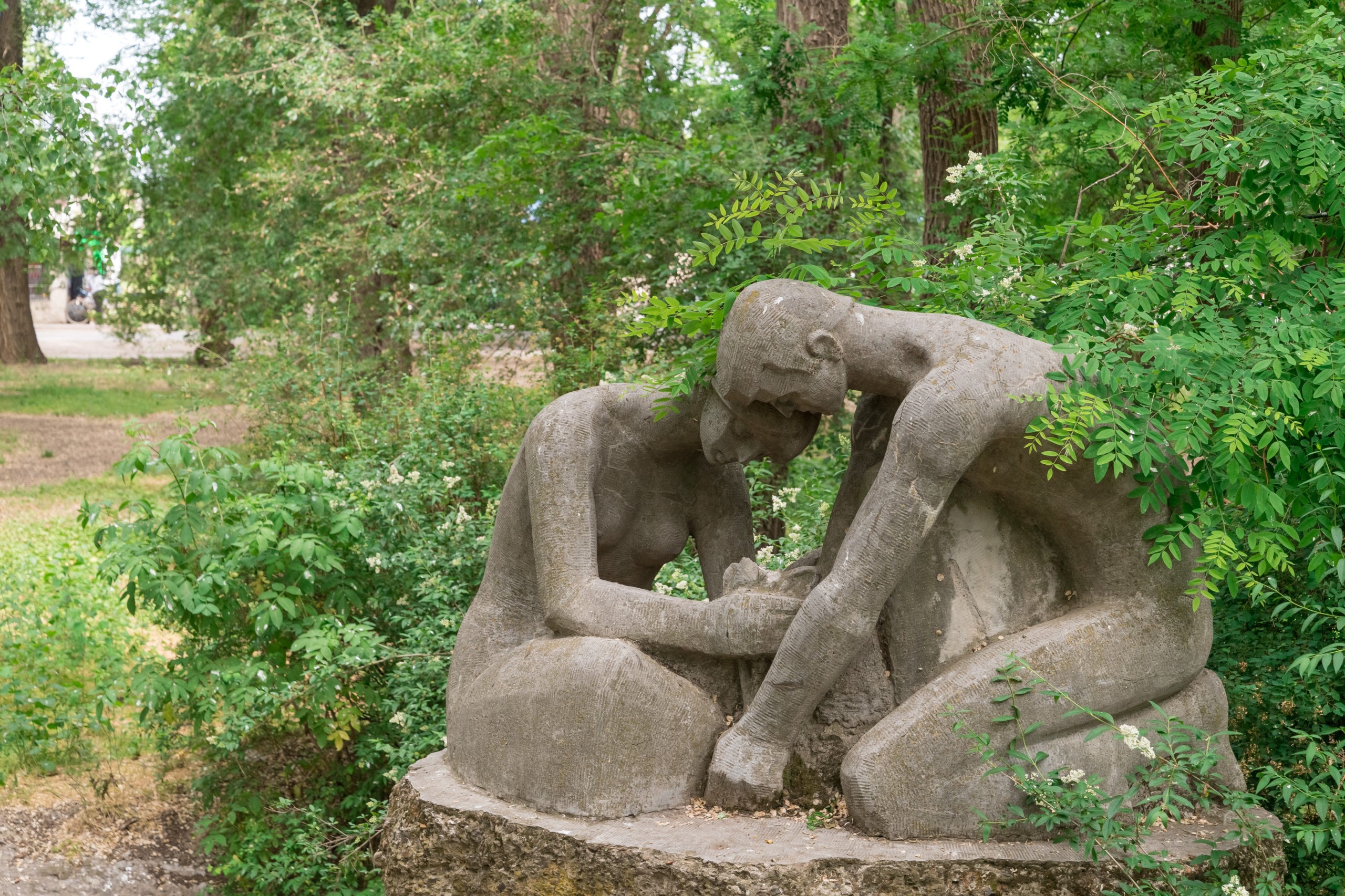
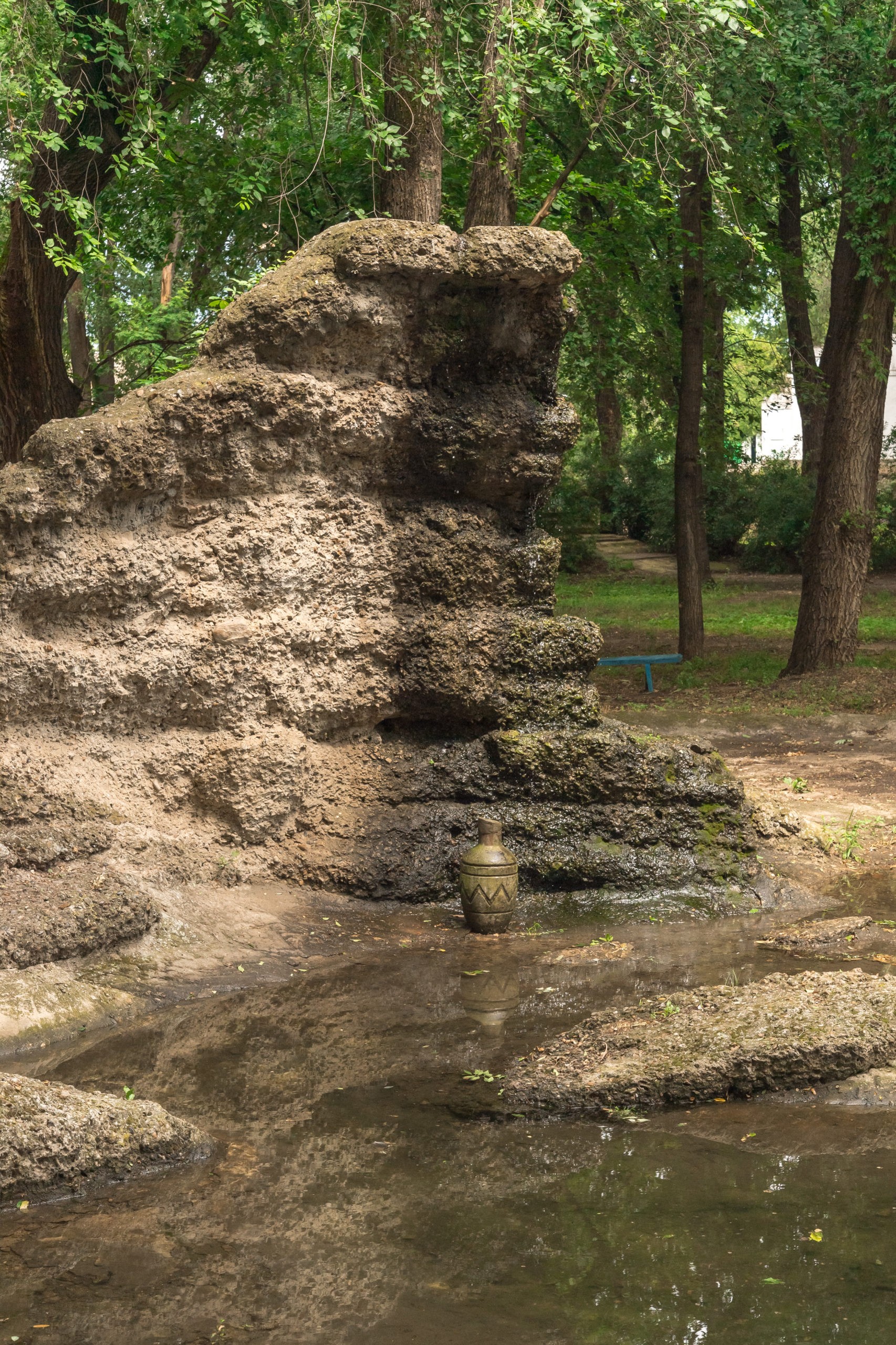
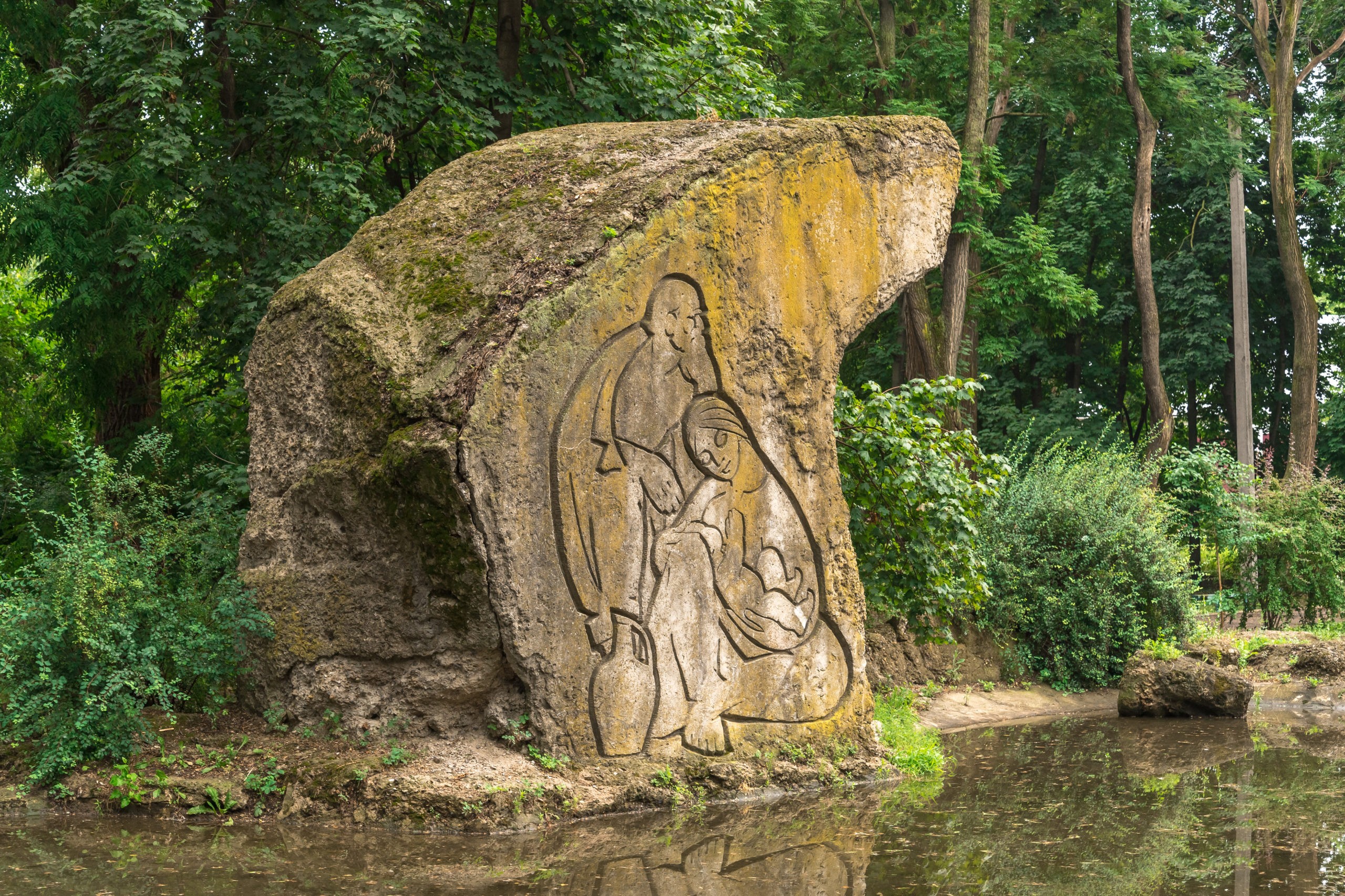
The park in Chobruchi village, spanning 4 hectares, was created beginning in 1958 according to the vision of Great Patriotic War veteran and sculptor Dmitry Konstantinovich Rodin. Far from simply designing a park and stepping away, Rodin devoted himself to continuously transforming and enriching this space over many years, adding cascading waterfalls, fountains, artificial reservoirs, grottoes and elegant openwork footbridges — alongside numerous sculptural compositions including “The Rock of Thoughts,” “Rainbow Grotto” and a rock bearing a “forgotten jug,” among many other creations.
By the early 1980s, following nearly a decade of dedicated work, the park had achieved its distinctive modern character. Rodin submitted materials about the park to the All-Union Contest of Gardening and Park Art held at the Exhibition of Achievements of the National Economy of the USSR in Moscow in 1982. Of 1,600 projects submitted from across the entire Soviet Union, the park in Chobruchi was among only five awarded the prestigious First Degree Diploma and the Great Gold Medal of the USSR Exhibition of Economic Achievements — a remarkable recognition of this village park’s extraordinary artistic and horticultural achievement.
In 2000, less than a year after D.K. Rodin’s death, the park was formally named in his honor.
A temple of nature with hidden meanings
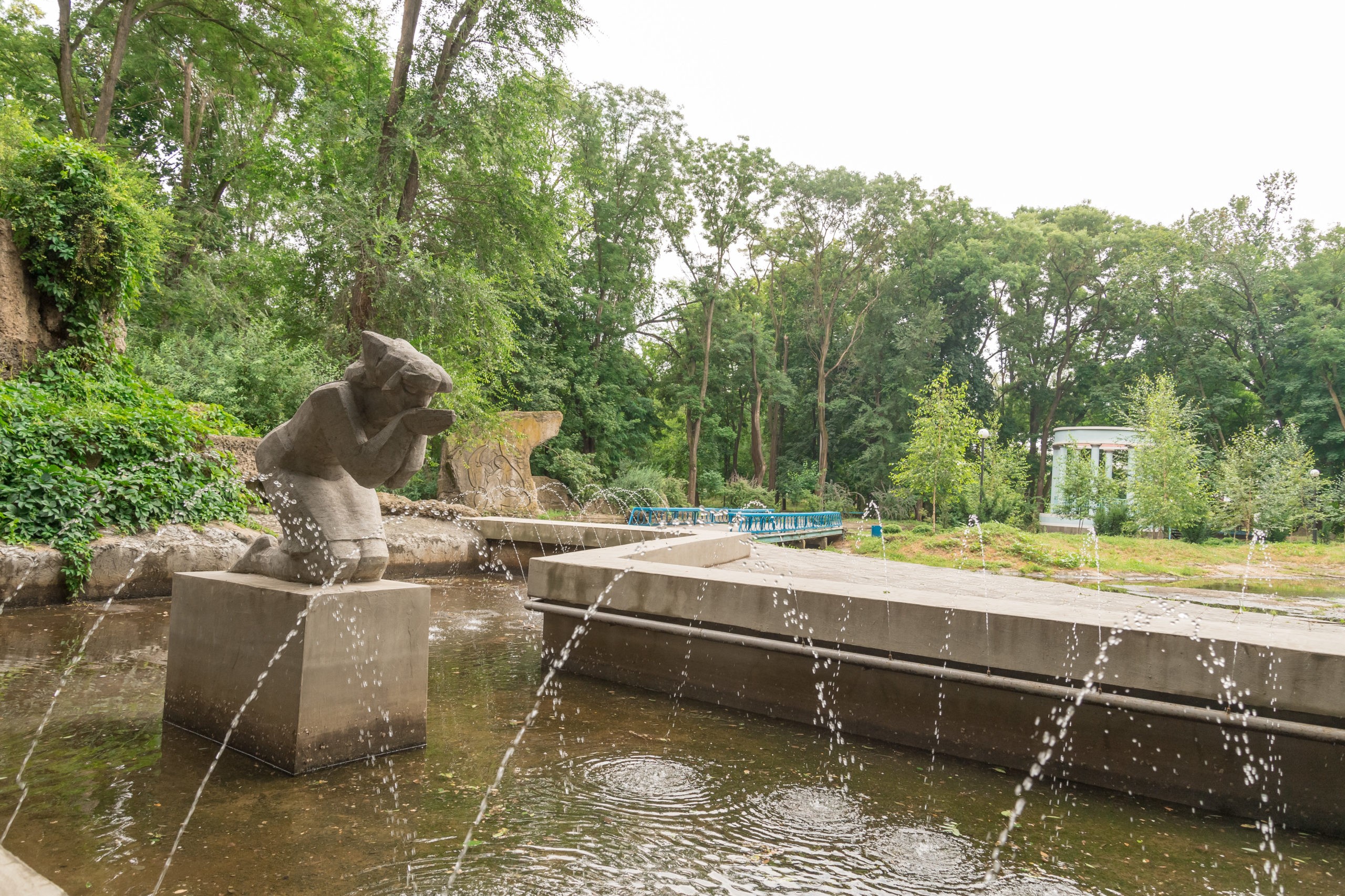
The park was conceived as a temple of nature where trees serve as walls and the sky as the dome — a unified whole in which stone, water, flora and sky form an inseparable harmony of elements. The author envisioned the visitor’s entrance into the park as stepping onto a porch, which is why steps mark its beginning. At the center stands a kneeling girl who worships water as the beginning of life — this is the Thirst Fountain, embodying the park’s central theme.
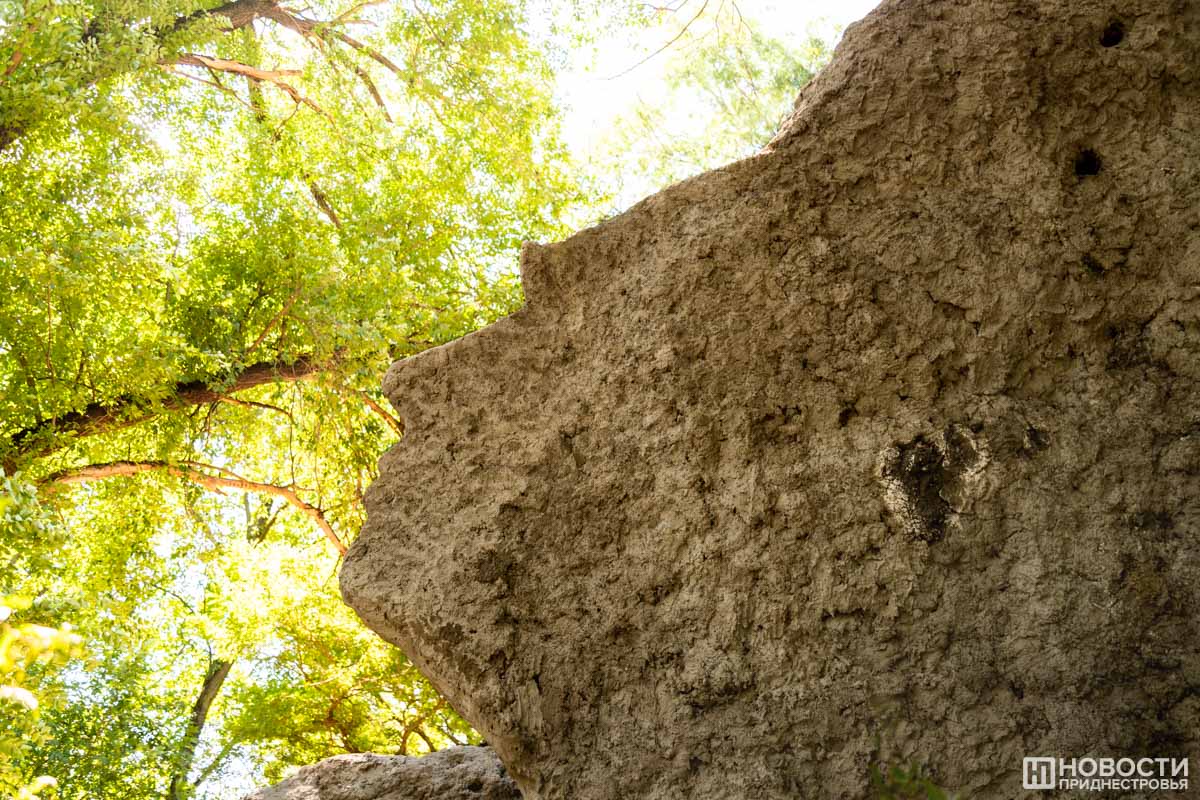
The park rewards attentive visitors with many hidden meanings and mysteries. The highest point is the East Rock, from which water flows into all the ponds and fountains. Viewing it from behind reveals the profile of the park’s creator — Dmitry Rodin himself, gazing upward toward the sky in eternal contemplation. This profile was concealed beneath a thin concrete layer during Rodin’s lifetime, removed only after his death at his own prior request.
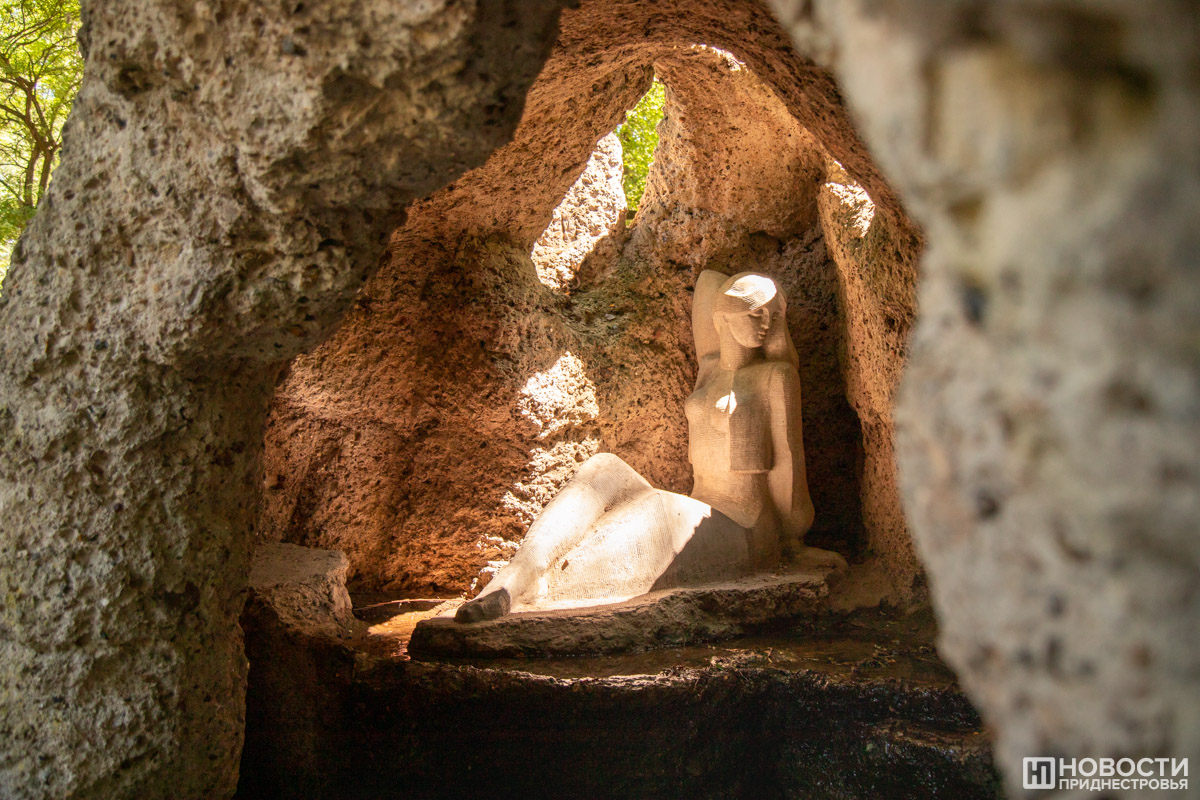
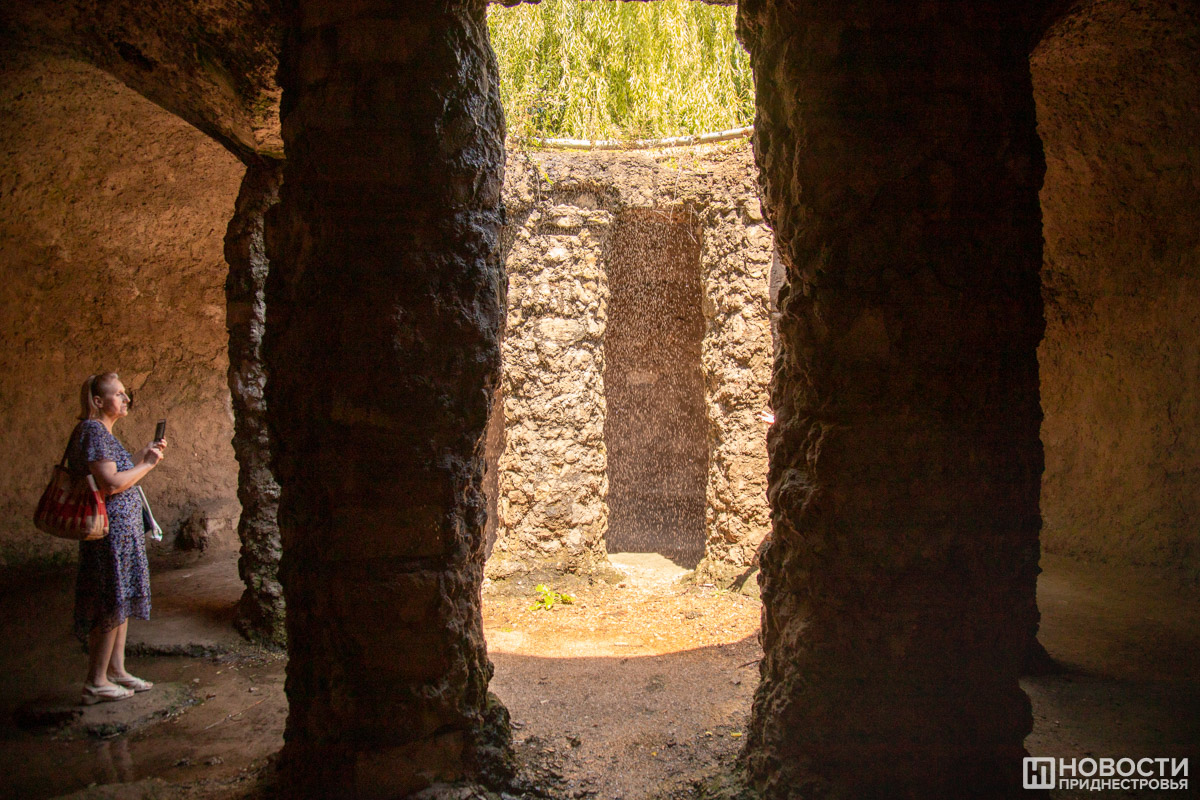
The Rock of Thought is shaped like a bird’s wing; on a clear day, its reflection in the water below creates the image of a bird spreading its wings in flight. Nearby, the Solar Grotto is designed so that at certain moments of the day, sunlight falls through openings above to illuminate a statue of a girl named Aurika — from the Latin “aurum,” meaning gold. The Rainbow Grotto achieves another optical wonder: when sunlight strikes the jets of water at the right angle, a triple rainbow becomes visible to those who stand within it.
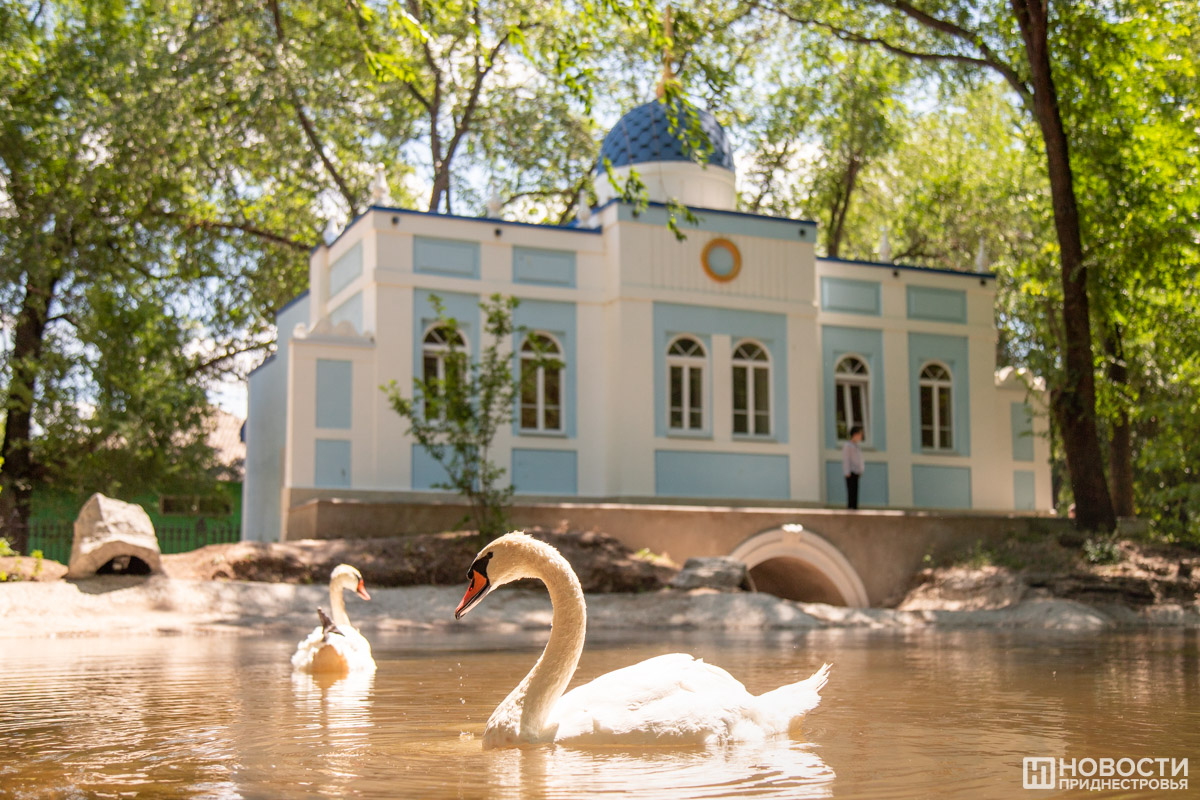
The Swan Palace, which appears more like a chapel than a birdhouse — and intentionally so — reflects the deepest inspiration behind the entire park. Rodin conceived his vision after encountering Andrei Rublev’s Trinity icon, subsequently immersing himself in Byzantine iconography. He discovered that stone symbolizes firmness of spirit, a wing its soaring, the sky the infinity of thought, and water the beginning of life — realizing these ideas aligned profoundly with those of Rublev. The park became the physical embodiment of all these elements together. The East House on the left side of the park corresponds to the Jerusalem temple depicted in the Trinity icon — here made real as a home for swans within this extraordinary landscape.
Location: Lenina str., Chobruchi village, Slobodzeya district