 Skip to content

Is Transnistria Safe to Visit?

Short answer: yes. Transnistria (Pridnestrovie) welcomes thousands of tourists from Moldova, the EU, and further afield every year, and violent crime against visitors is virtually unheard of. The unfamiliar part isn’t danger — it’s bureaucracy: a breakaway region with its own border checkpoints, its own currency, and a Soviet-era feel that can seem intimidating from the outside. Here’s what it’s actually like on the ground, from a company that runs tours there every week.
Crossing the border
Every visitor gets a migration card at the checkpoint on entry — this is standard procedure, not a red flag, and our guides help first-timers through it every trip. See the full walkthrough in Entry Rules & Migration Card.
What the city is actually like
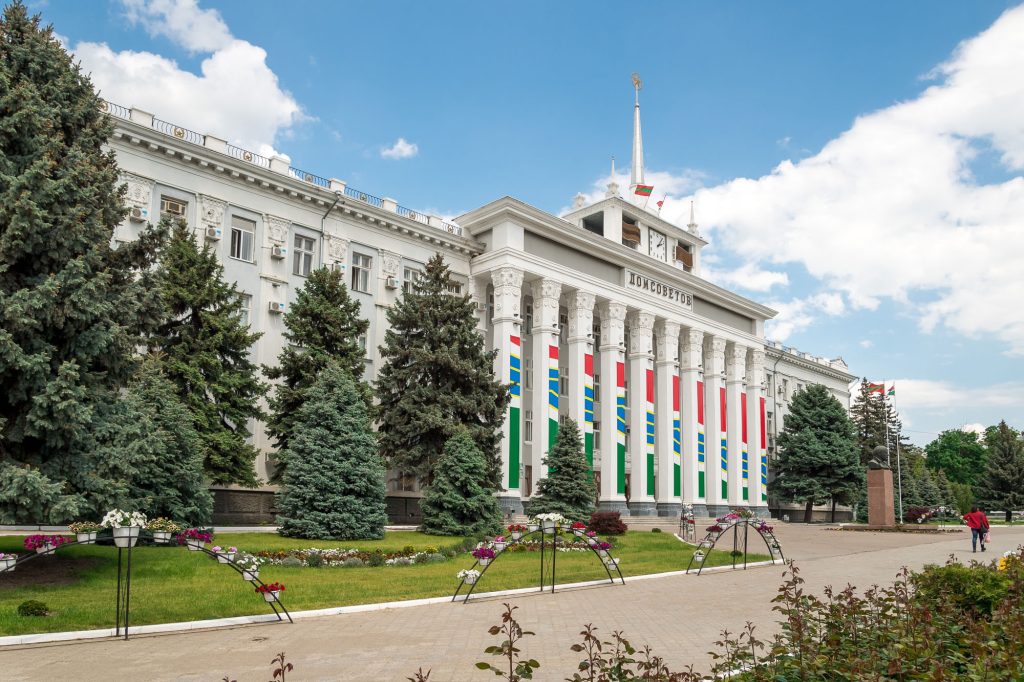
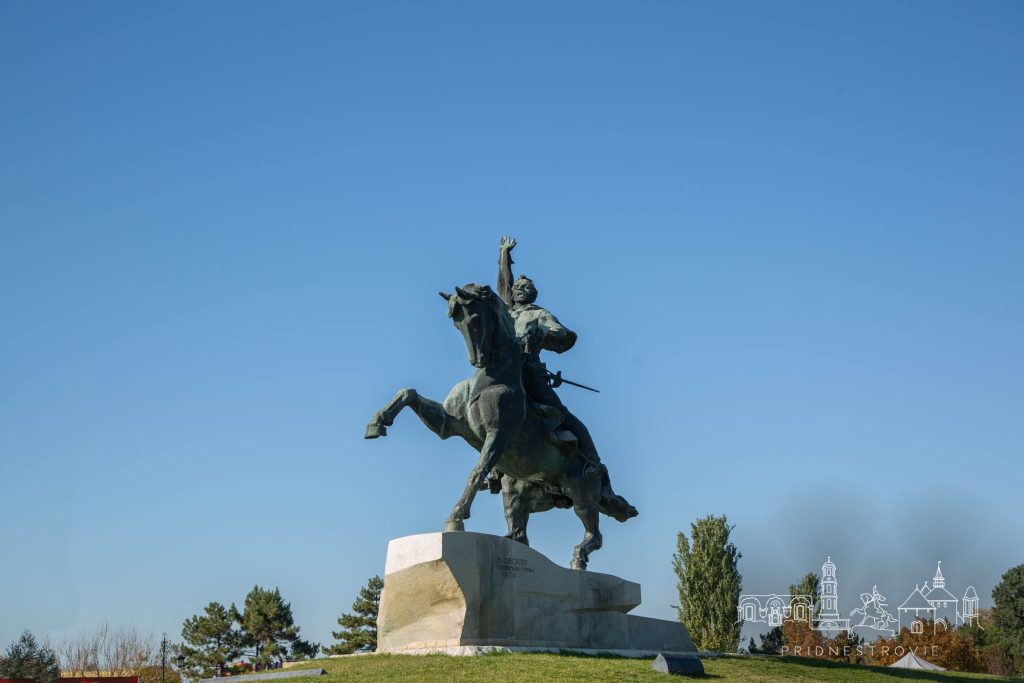
Tiraspol is orderly, clean, and — if anything — more heavily policed and camera-monitored than most European capitals. The Soviet-style architecture (the House of Soviets, the Lenin statue on Suvorov Square) reads as “different,” not “dangerous.”
A few sensible rules, not warnings
- Photography near government or military buildings — ask first, or avoid it. Ordinary street photography is fine everywhere else.
- Carry your passport — border and city checkpoints occasionally ask for ID; a copy plus the original is enough.
- Cash — cards work in relatively few places outside Tiraspol’s center; bring euros or Moldovan lei to exchange locally. For more, see Practical Info for Visitors.
Why go with a guide the first time
Independent travel is entirely possible, but a local guide handles the border formalities, knows which streets and buildings are fine to photograph, and turns “unfamiliar” into “interesting” within the first hour.
- Tiraspol Tour — half/full-day from Chisinau
- Transnistria Day Trip — the full day-trip rundown
- All tours
Still have questions? Check the full Transnistria Travel FAQ, or book a guided tour and let someone who does this daily handle the details.