
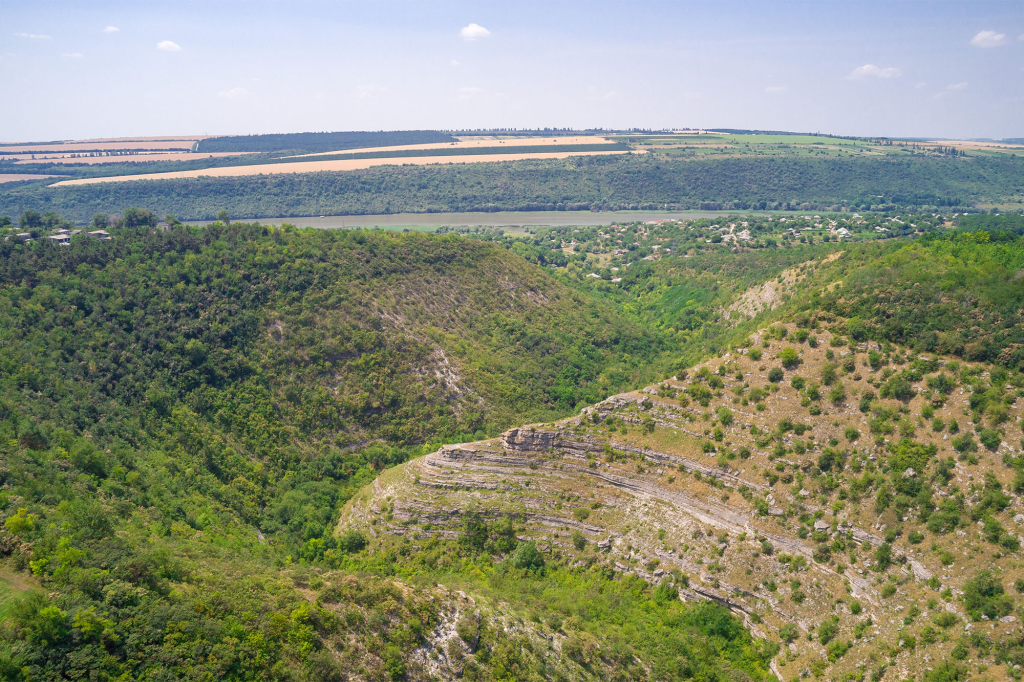
Rural tour “Zozuliany-Vykhvatintsy-Goyany”
Two-Day Car Tour: Villages of Rybnitsa and Dubossary Districts
On this trip by car (own or rented), you will visit the sights located in the villages of the Rybnitsa and Dubossary district of Pridnestrovie.
The tour is designed for two days and involves self-organization of recreation.
TOUR PROGRAM
Day 1:
11:00 — Arrival in the village of Zozuliany. Visit to the Church of Saint Paraskeva of the Balkans.
12:00 — Excursion to the Museum of Anton Rubinstein and the history of the village of Vykhvatintsy, as well as to the district children’s art school named after Anton Rubinstein.
13:00 — Excursion along the Vermitka ravine with a visit to the cave-settlement of ancient people and the archaeological site “Vykhvatintsky Burial Ground,” and the Long-term firing point of the Stalin Line.
16:00 — Overnight accommodation in guest houses in the village of Goyani:
Agropansion “Poyata”
or Villa “Nistru”
17:00 — Boat trip on the Dniester. It is also possible to organize fishing trips or relax in the sauna.
19:00 — Dinner at the guest houses Agropansion “Poyata” or Villa “Nistru.”
Day 2:
10:00 — Breakfast at the guest houses Agropansion “Poyata” or Villa “Nistru.”
11:00 — Excursion to the reserve “Yagorlyk,” rest and picnic on the banks of the river.
15:00 — Excursion to the village of Rogi: visiting the Fake House, a cascade of waterfalls.
16:00 — Departure.
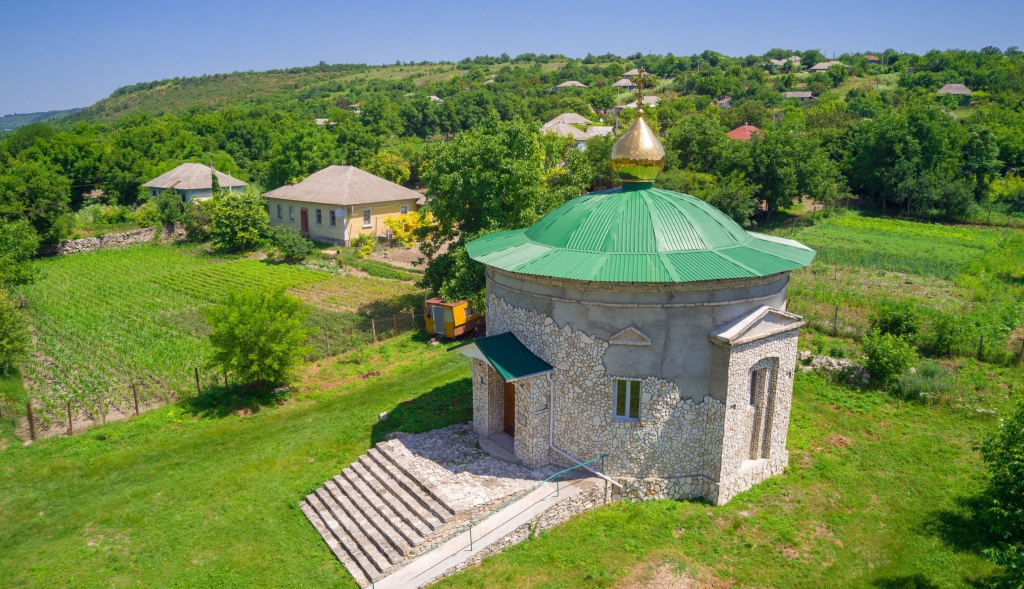
Church of St. Paraskevi Serbian village Zozulyany
As with many other settlements throughout Pridnestrovie, the very first church built in Zozulyany in 1709 was constructed of wood, reflecting the building practices typical of that era. This original wooden structure was eventually replaced in 1826 by a stone church, funded jointly by a local landowner and the community’s parishioners, who together invested in creating a more permanent place of worship for their village.
The church’s history followed a familiar trajectory during the Soviet period — closed during the 1930s amid widespread anti-religious campaigns, the building would remain inactive for decades until restoration efforts finally began in 2009. The Church of St. Paraskeva of Serbia holds particular architectural significance as one of the relatively few rotunda-type churches in the region — meaning the building is round in its architectural design, a distinctive feature that sets it apart from the more typical rectangular church layouts found throughout Pridnestrovie.
In 1895, a vestibule featuring elegant carved columns was added to the temple, and remnants of this decorative addition can still be observed by visitors today, offering a glimpse into the church’s architectural evolution across more than two centuries of history.
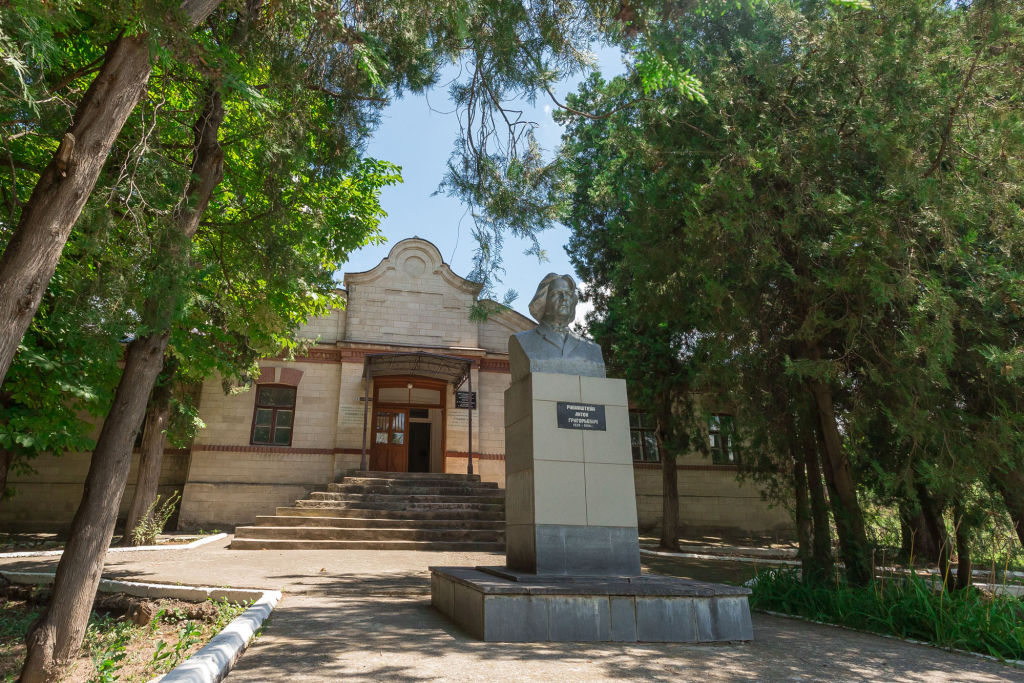
Museum of Anton Rubinstein and the History of Vykhvatintsy Village
The Museum of Anton Rubinstein opened on November 26, 1994, housed in a building constructed in 1901, dedicated to A.G. Rubinstein — the famous Russian pianist, conductor and composer who was born in Vykhvatintsy village. This museum brings together both the celebrated musician’s personal legacy and the broader history of the village that produced him.
The first exhibition hall presents an original portrait of A.G. Rubinstein, alongside Anton Grigorievich’s personal belongings, books containing opera scores and additional exhibits generously donated to the museum from the collections of the Leningrad Conservatory Museum, creating a comprehensive picture of Rubinstein’s musical career and personal life.
The second hall shifts focus to present materials documenting the broader history of Vykhvatintsy village itself. Remarkably, archaeologists working in this area discovered one of the first known sites of primitive human habitation in all of Eastern Europe, with evidence suggesting people lived here approximately 300,000 years ago. The site also includes a burial monument from the late Tripillya culture, dating back to the 3rd millennium BC — making Vykhvatintsy a location of genuine archaeological significance extending far beyond its connection to Rubinstein.
The third hall turns to more recent history, telling the stories of village inhabitants, participants in the Great Patriotic War, and defenders of the Pridnestrovian Moldavian Republic, connecting this ancient settlement’s deep past to its more contemporary historical experiences.
In front of the museum building stands a monument to Anton Grigorievich Rubinstein, erected in the late 1970s and created by sculptor R.E. Derbentsov. The bronze bust rests upon a tall rectangular pedestal standing 2.7 meters high, with the overall monument composition incorporating a wide staircase that leads visitors toward the main entrance of the museum building.
In the neighboring building stands the district children’s art school named after A.G. Rubinstein, which opened on September 1, 1973, making it one of the oldest educational institutions in the entire Rybnitsa district. The initiative to establish this school came from Moldovan composer Z.L. Carpenter, working alongside S.V. Segal, who served as head of the department of culture — together ensuring that Rubinstein’s musical legacy would continue inspiring future generations of young musicians from his native village.
Ravine Vermitka
This dramatic ravine carries with it a poignant local legend about a young couple deeply in love who, according to tradition, threw themselves from this rocky precipice. The story tells of a girl named Vera and a boy named Mitya, whose tragic tale gave birth to the ravine’s distinctive name — “Vermitka” — a poetic combination formed by merging their two names together into a single word that has been passed down through generations of local storytelling.
This romantic and melancholic legend adds a layer of human drama to the ravine’s natural geological features, transforming a simple landscape formation into a place charged with emotional resonance for those who know the story behind its evocative name, connecting visitors to centuries of local folklore that continues to be shared throughout the Vykhvatintsy area.
Archaeological Site "Vykhvatintsky Burial Ground"
The Vykhvatintsky burial ground was discovered quite unexpectedly during the Great Patriotic War, when soldiers digging trenches and dugouts uncovered evidence of this ancient archaeological site, revealing a wealth of historical material previously hidden beneath the earth.
Comprehensive archaeological research followed in subsequent decades, carried out by an expedition from Moscow led by T. Pasak during the 1950s and 1970s. Over the course of these research years, archaeologists studied approximately 900 square meters of the site, ultimately opening 63 individual burials that yielded a substantial collection of various ancient implements and artifacts, providing invaluable insight into the lives of the people who once inhabited this region long before recorded history.
In recognition of its significant archaeological and historical value, the burial ground has been taken under official state protection, ensuring this important window into prehistoric human settlement along the Dniester remains preserved for ongoing scholarly research and future generations seeking to understand the deep history of this land.
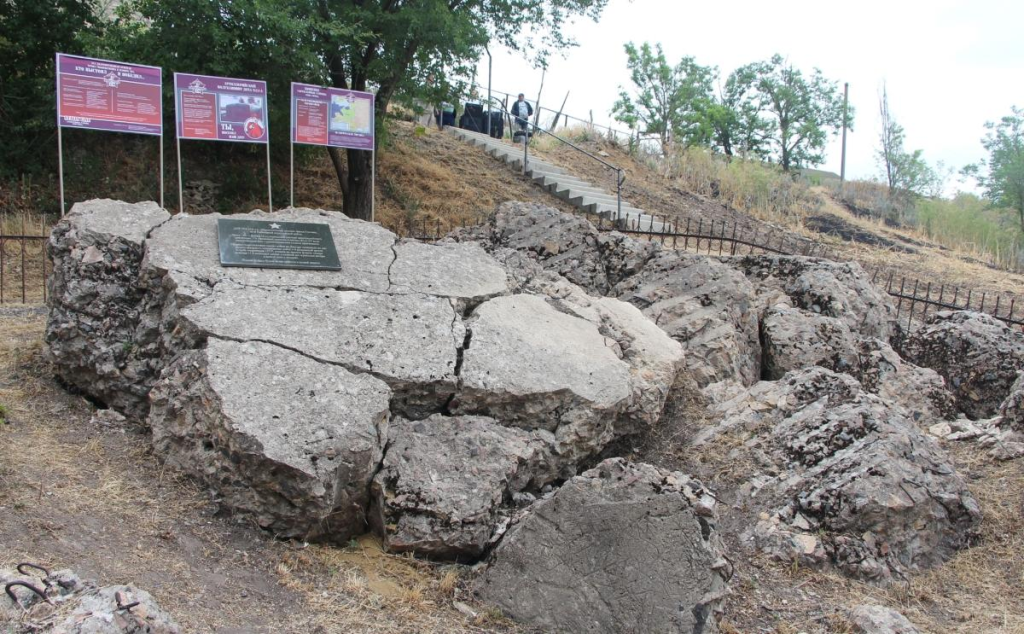
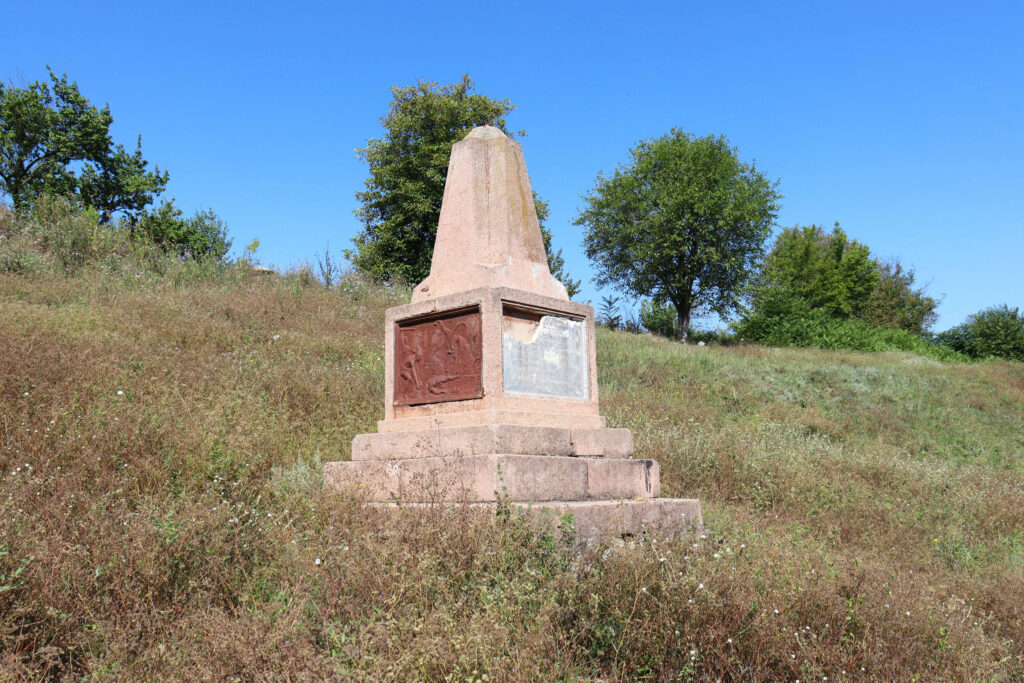
Long-Term Firing Point of the Stalin Line, Vykhvatintsy Village
During the summer of 1941, soldiers of the 18th separate anti-aircraft artillery battalion, part of the 176th Rifle Division operating within the 80th fortification area, engaged in fierce battles against vastly superior enemy forces at this very location. The stubborn and determined resistance mounted by these Soviet troops along the Dniester proved strategically significant, successfully delaying the advance of the 4th Romanian Army’s forces deep into Soviet territory by two crucial weeks. This defensive action also pinned down four divisions of the 11th German Army on their right flank, inflicting serious losses on both manpower and equipment that would prove costly to the invading forces.
Throughout the war years that followed, the original bunker structure suffered destruction, leaving behind only granite slabs as quiet reminders of those distant and difficult days of 1941. The formal monument commemorating this site of fierce resistance was only opened on June 22, 2022, following considerable effort and challenges to bring this important historical recognition to fruition — ensuring that the sacrifice and determination of these soldiers finally received the lasting tribute their courage deserved.
Agropansion Poyata
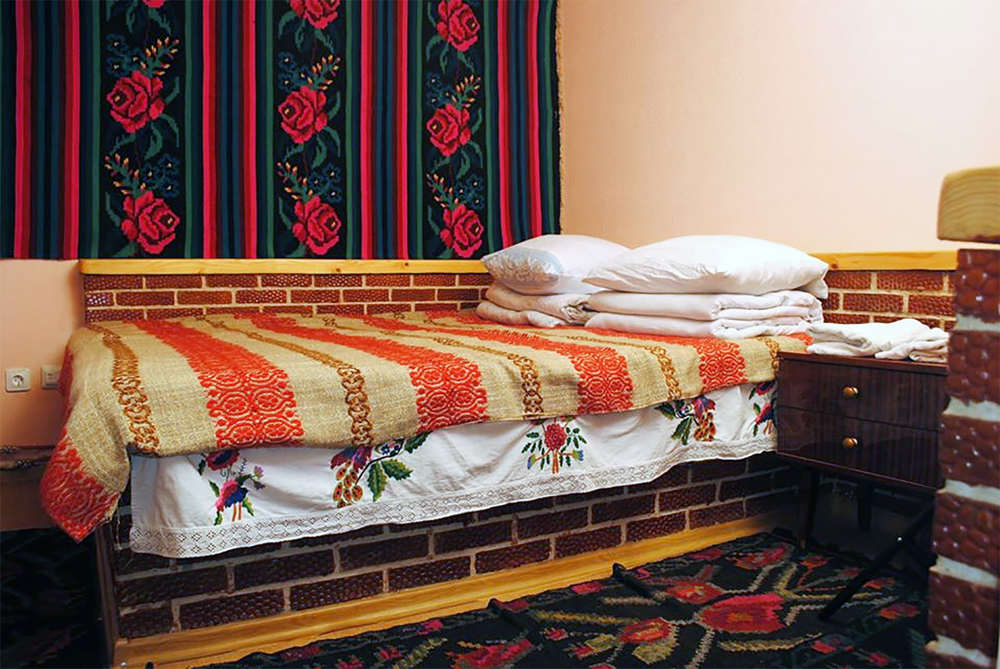
The Agropansion Poyata guest house occupies a genuinely picturesque setting in Goyany village, situated conveniently close to the Yagorlyk reserve. Here, guests can immerse themselves fully in the authentic atmosphere of rural Moldovan life, with every room furnished in traditional style — homespun carpets and handcrafted pottery decorate the interiors, and one particularly distinctive room even features a bed positioned directly atop the traditional home furnace, offering a genuinely unique sleeping experience rooted in centuries-old domestic tradition.
The guesthouse offers a wood-fired sauna complete with an indoor pool, alongside a fully equipped kitchen and dining room available for guest use. Upon request, the establishment serves traditional Moldovan dishes prepared from fresh, homemade ingredients, naturally accompanied by homemade wine drawn directly from the cellar — an essential complement to any authentic Moldovan dining experience.
For fishing enthusiasts, all necessary equipment is readily available on-site, while guests can also arrange boat trips along both the Dniester River and the Yagorlyk waters, adding an aquatic dimension to this rural retreat. With capacity to comfortably accommodate up to 15 people, Agropansion Poyata offers an ideal base for groups seeking genuine immersion in the natural beauty and traditional hospitality of the Dubossary countryside.

Villa "Nistru"
Villa “Nistru” successfully combines the special warmth of a simple farmhouse with genuine comfort and modern conveniences, creating an inviting retreat for guests seeking authentic countryside hospitality without sacrificing contemporary amenities. Every room comes equipped with its own bathroom, television and an additional sofa bed, ensuring comfortable accommodation for guests of varying group sizes.
The property’s grounds feature a sauna with an attached swimming pool, alongside a pier designed for water skis and boats, opening up the Dniester for various water-based activities. Inside, modern satellite TV and internet connectivity peacefully coexist alongside an antique fireplace and various period antiques, creating a charming blend of old-world atmosphere and contemporary convenience. Guests have access to garden tables and chairs, sun loungers and a terrace, while dedicated car parking ensures convenient access for those arriving by vehicle. Fishing tackle can be provided upon request for guests wishing to try their luck along the riverbank.
For those interested in exploring beyond the villa itself, quiet walks around the village or guided excursions to local sights, accompanied by a professional guide, can be arranged according to guest preferences. A small on-site restaurant rounds out the villa’s offerings, serving traditional cuisine dishes prepared right before guests’ eyes, adding a wonderfully fresh and authentic culinary dimension to the overall hospitality experience at Villa “Nistru.”
State Reserve "Yagorlyk"
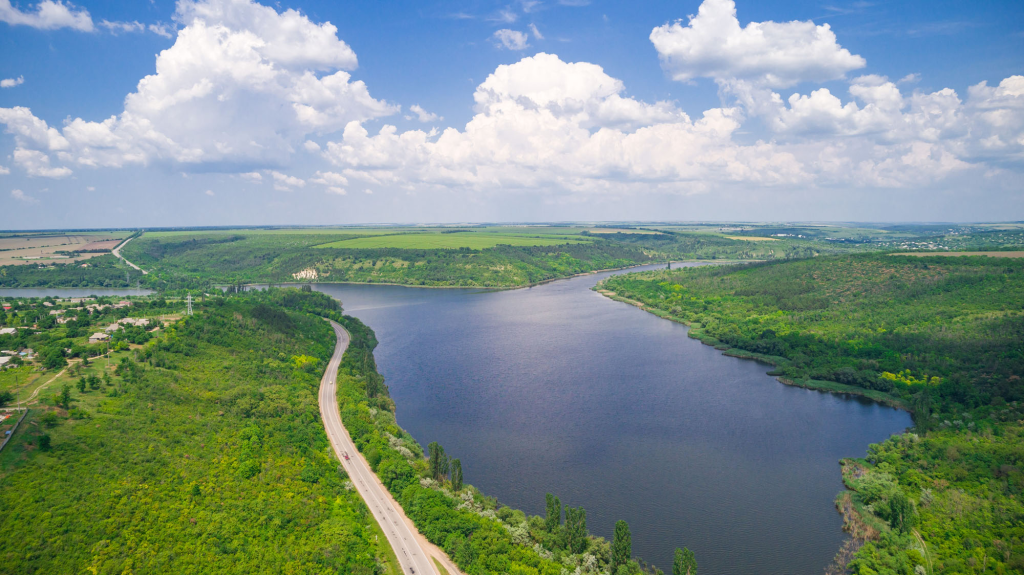
“Yagorlyk” holds the distinction of being the only state scientific reserve in the entire republic. Located on the left bank of the Dniester between the villages of Tsybulevka, Goyany and Doibany-1 in the Dubossary region, the reserve covers a substantial area of 863 hectares. Established in 1988, the reserve’s primary purpose centers on preserving the natural complex of the Goyan Bay in its pristine natural state — a bay that itself formed during the flooding of the lower reaches of the Yagorlyk River, a direct consequence of the construction of the Dubossary hydroelectric power station.
Through years of dedicated botanical research, scientists have identified over a hundred species of rare and endangered plants within the reserve’s territory, with 16 of these species specifically listed in the PMR Red Book of protected species. This remarkable botanical diversity is matched by equally impressive fauna: more than 30 species of mammals call Yagorlyk home, including roe deer, wild boars, stone martens, foxes and raccoon dogs. The reserve also shelters genuinely rare animals such as the European ground squirrel and the ermine, adding to its conservation significance.
The water area of the reserve supports approximately 20 species of fish, including sturgeon varieties such as sterlet and bester — connecting this protected natural area to the broader sturgeon conservation efforts taking place throughout the region. The abundance of bird species found here results directly from the diversity of biotypes present within the reserve. Yagorlyk hosts 121 different bird species, including several listed in the Red Book: the mute swan nests within the reserve, while ospreys and field harriers can be observed during migration periods.
An observation tower positioned on a hill above the bay offers visitors a beautiful panoramic view across the reserve and its surrounding landscape, providing the perfect vantage point for appreciating the rich biodiversity this protected natural area works so diligently to preserve.
Fake House in Rogi Village
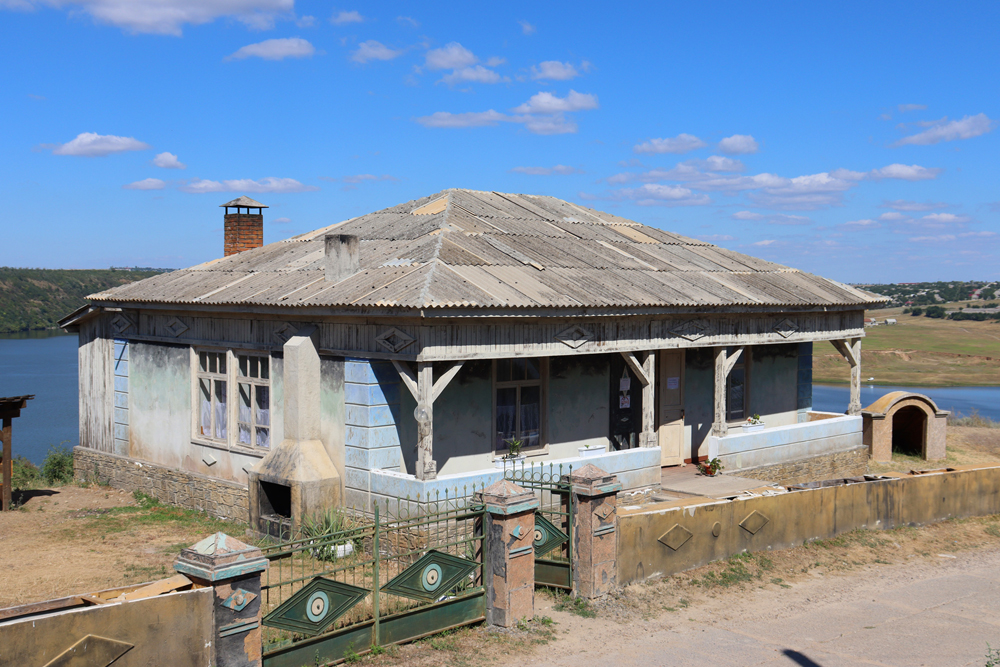
In 2019, the village of Rogi gained an unexpected and delightful new landmark — a fake house, purpose-built for the filming of the feature film “Bird’s Milk.” This authorial film drama was produced by the Russian film studio “Koktebel,” brought to life by young Tiraspol-born director Yevgeny Maryan.
Once filming wrapped, the cinematographers made a generous gesture, leaving the house behind as a gift to the residents of Rogi, complete with a collection of folk art and household items used during production. Employees of the local House of Culture have since enriched this unexpected gift even further, adding more fascinating exhibits crafted by local folk artisans. Today, the building welcomes visitors through guided excursions, transforming what began as a temporary film set into a genuine and growing celebration of local folk heritage.