

Tiraspol – Merenesti – Bendery
Tiraspol – Merenesti – Bendery Cycling Route
Clip in and roll out on one of the most beloved cycling routes in Pridnestrovie — the Tiraspol – Merenesti – Bendery Cycling Route — a 30 km ride along 100% asphalt roads connecting the two largest cities of the republic through parks, forests, embankments and one of the most dramatic war memorials in the region. Whether you are a seasoned cyclist or a complete beginner, this route delivers an unforgettable combination of natural beauty, historic landmarks and riverside freedom.
The route can be started from either end — Tiraspol or Bendery — making it equally rewarding in both directions.
⚠️ Important: Crossing the bridge in Tiraspol on a bicycle is only permitted on foot — please dismount before reaching it. Cyclists are also reminded to follow Chapter 24 of the PMR Traffic Rules governing the movement of cyclists on public roads.
The ride begins at Suvorov Square (Pokrovskaya Str., center, Tiraspol) — the symbolic heart of the Pridnestrovian capital, named after the legendary Russian generalissimo who founded Tiraspol itself. It is the perfect starting point: standing here before setting off, the city feels alive with history and possibility in equal measure.
Just 480 meters along, Catherine Park (Pokrovskaya Str., center, Tiraspol) invites a gentle opening warm-up through one of the capital’s most beloved green spaces — named after Empress Catherine the Great and shaded by mature trees that have watched over Tiraspol for generations. A wonderful place to ease into the rhythm of the ride before the open road ahead.
After 750 meters, the route reaches the Embankment of the Dniester in Tiraspol — one of the most scenic stretches of the entire journey. The wide, smooth riverside promenade offers sweeping views across the water, the breeze off the Dniester carrying the freshness of a river that has shaped this landscape for millennia. Take your time here — the embankment is as enjoyable at walking pace as at full cycling speed.
After 3.9 km, the urban landscape gives way to the cool shade of the Kitskansky Forest (Slobodzeya district) — a beautiful stretch of natural woodland that offers the perfect setting for a mid-route picnic. Pull off the path, find a clearing among the trees and let the forest work its restorative magic before the second half of the ride.
Continuing 6 km, the route arrives at the legendary Kitskany Bridgehead (Kitskany village, Slobodzeya district) — one of the most powerful and historically resonant stops on the entire route. The views from the bridgehead across the Dniester valley are genuinely stunning, and the weight of the military history attached to this site gives the pause here a depth that goes far beyond scenic appreciation.
After 13 km, the route rolls into Bender and onto the Bendery Embankment — a riverside promenade that mirrors Tiraspol’s embankment in beauty while adding the distinctive atmosphere of this ancient fortress city. The views across the Dniester toward the opposite bank, with the fortress walls visible in the distance, are among the finest on the entire route.
Just 1.5 km further, Alexander Nevsky Park (Petra Panina Str., Bendery) brings the outbound journey to a magnificent conclusion — a park set on the territory of the historic Bendery Fortress, home to the functioning military temple of St. Alexander Nevsky and exhibition halls that bring the fortress’s extraordinary history to life. A worthy destination at the end of a great ride.
For those completing the full out-and-back loop, the return 11 km ride back to Suvorov Square in Tiraspol retraces the route in reverse — offering entirely new perspectives on the forest, the bridgehead and the river that make this one of the most rerideable routes in the republic.
Suvorov Square
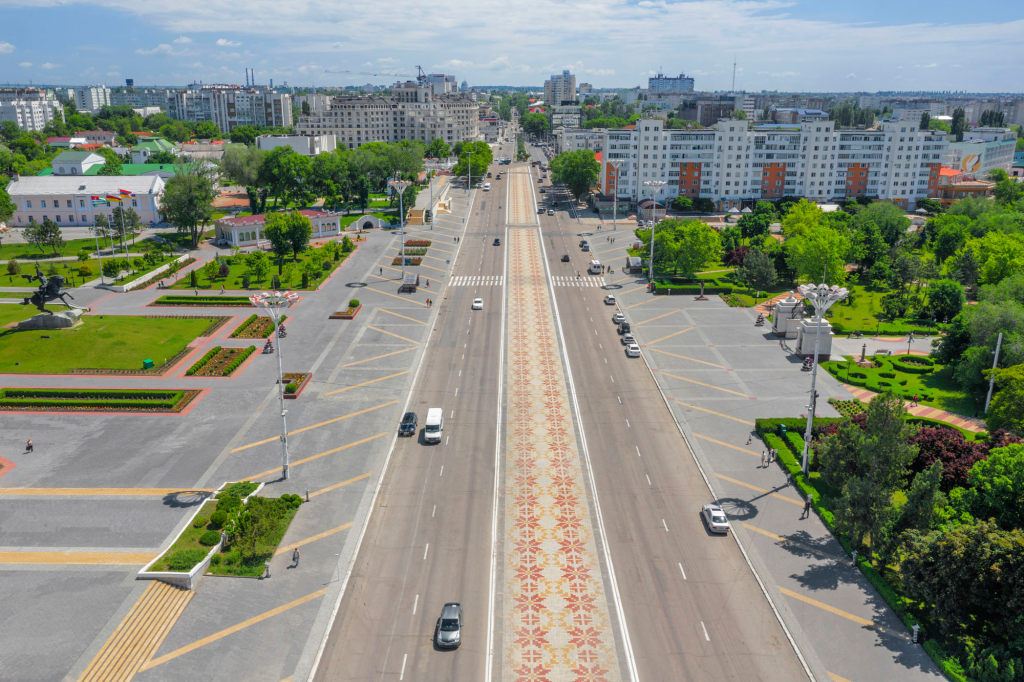
Suvorov Square rightfully claims its place as the heart of both Tiraspol and the entire Pridnestrovian republic. The square is surrounded by an impressive cluster of significant landmarks — the monument to A.V. Suvorov himself, De Wollant Square, the riverside embankment, the Memorial of Glory, the Palace of Children and Youth Creativity, a cinema and the building of the Supreme Council of the PMR, all converging to make this one of the most important civic spaces in the entire country.
During the Soviet era, the square bore a different name — Stalin’s Constitution Square — and it wasn’t until the 1970s, following large-scale restructuring of the town center, that the square took on the appearance familiar to visitors today. Suvorov Square continues to play a central ceremonial role in national life, hosting military parades on the country’s most important holidays, including Victory Day commemorating the Great Patriotic War and Republic Day itself.
Looking ahead, the entire area surrounding the square is set for further transformation, with plans to develop the surrounding space into Catherine Park — a project whose construction was slated for completion in 2020, promising to add even more green space and grandeur to this already iconic central gathering place.
Catherine Park
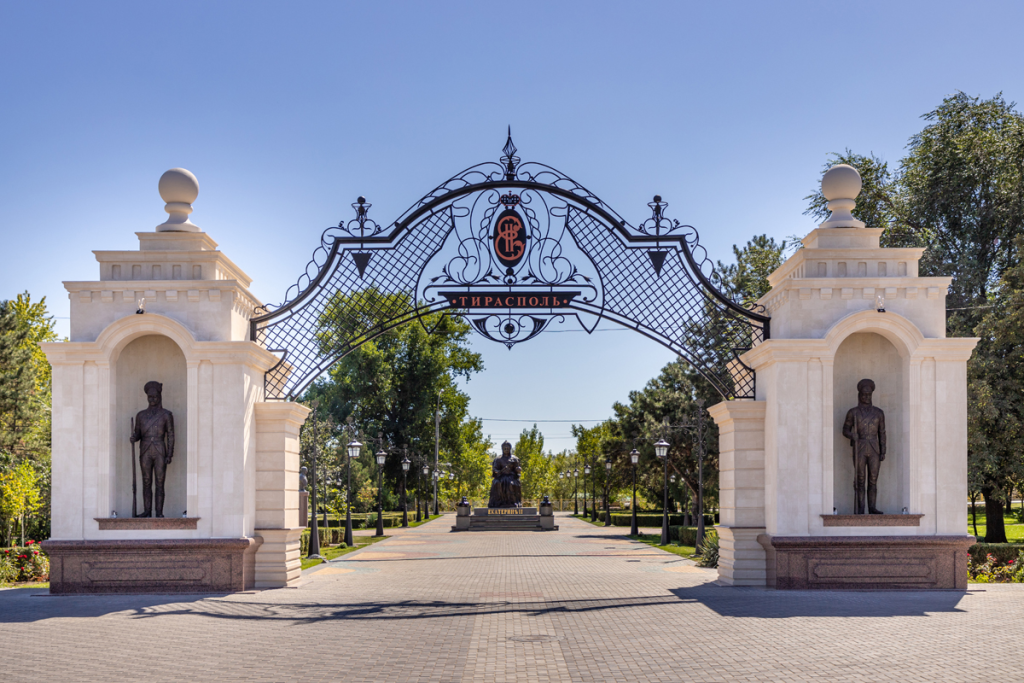
To celebrate the 30th anniversary of the republic, Tiraspol underwent a remarkable transformation, emerging beyond recognition with the creation of the new Catherine Park, situated right in the very center of the capital city. The naming carries genuine symbolic weight, honoring the Russian Empress who signed the decree founding Tiraspol itself — connecting this modern green space directly to the city’s imperial origins.
The park’s defining feature is a striking 4.5-meter-high monument to the Russian Empress, a majestic half-ton bronze sculpture depicting Catherine II seated upon the throne of the Russian Empire. In this powerful representation, Catherine the Great holds the orb — the traditional symbol of monarchical state power — in her right hand, while her left hand grasps a document representing the construction order for the Sredinnaya Fortress, directly referencing the historical foundation of Tiraspol. This monument has been positioned opposite the bronze monument to Alexander Suvorov astride his horse, which has occupied the center of Tiraspol since 1979, creating a meaningful dialogue between these two foundational figures in the city’s history.
The park’s entrance groups take the form of elegant arches, uniting both sides of the park into a single cohesive composition. These arches function almost like portals, clearly marking the transition into the park’s distinctive atmosphere. The park itself offers a genuinely cozy environment for walking, meeting friends and capturing memorable photographs. Six fountains throughout the grounds receive beautiful illumination in the evening hours, while charming rotundas scattered throughout create an atmosphere reminiscent of bygone centuries.
Two small lakes grace the park’s landscape. Around the smaller lake, sports enthusiasts will find ample opportunity for exercise and recreation, with football and basketball fields, jogging tracks, table tennis tables, pull-up bars and even a rollerdrome all available. Near this same lake stands a miniature representation of the Sredinnaya Fortress, a fitting tribute given that the future capital of Pridnestrovie was constructed around the walls of this very fortress more than 200 years ago. The larger lake serves as home to a charming family of white swans, adding a touch of natural elegance to the park’s waterscape.
Rounding out the park’s offerings is the children’s amusement park “City of Miracles,” delightfully decorated with forged metal characters drawn from beloved and famous cartoons, ensuring that Catherine Park offers genuine appeal for visitors of every age.

Embankment of the Dniester in Tiraspol
This embankment stretches from west to east, running along the entire central part of Tiraspol and offering one of the most scenic riverside walks in the entire capital. The city embankment has earned particular affection among photographers, who consistently find compelling subject matter here regardless of the season — whether captured beneath summer’s golden light, autumn’s colorful foliage, winter’s frost-touched stillness, or spring’s fresh renewal, this riverside promenade consistently rewards those seeking beautiful images of Tiraspol’s relationship with the Dniester River that defines so much of the city’s character and history.
Kitskansky Forest
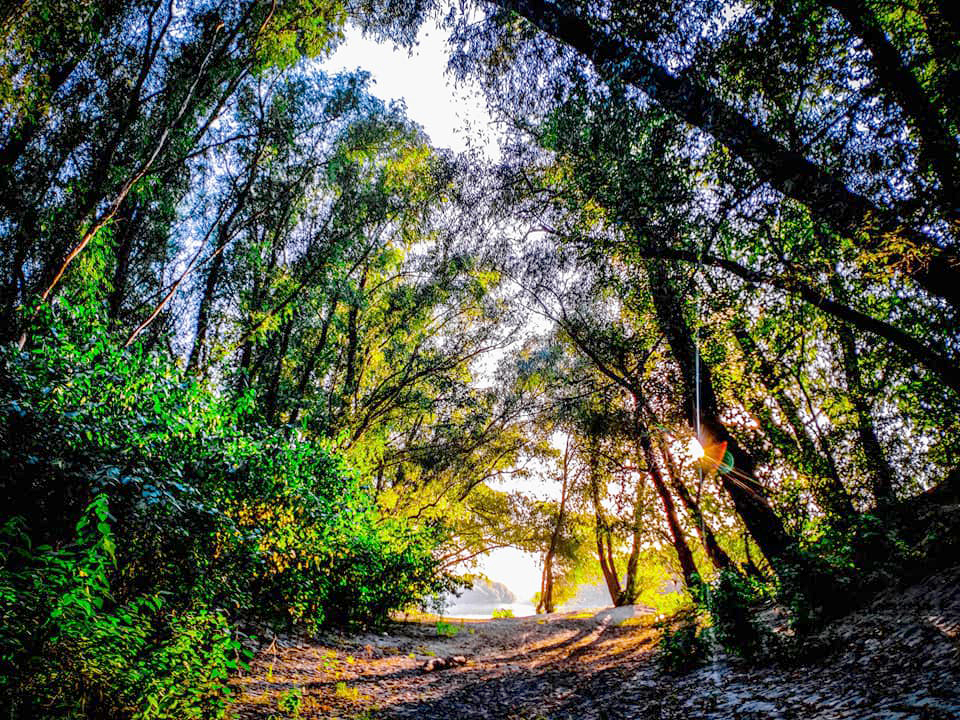
This extensive floodplain forest spreads across the landscape near Kitskany village, positioned just behind the Tiraspol bridge spanning the Dniester River. The forest represents a substantial natural area within Slobodzeya district, contributing to the broader network of preserved woodland that characterizes this section of the Dniester valley.
Kitskansky Forest offers visitors and cyclists alike a welcome shaded retreat, particularly valuable for those traveling along the popular cycling routes connecting Tiraspol and Bendery, where this forest provides a natural midpoint perfect for rest, picnicking, or simply appreciating the cool, green environment that contrasts so pleasantly with the more urban landscapes found in the neighboring cities on either side of the river.
Kitskany Bridgehead
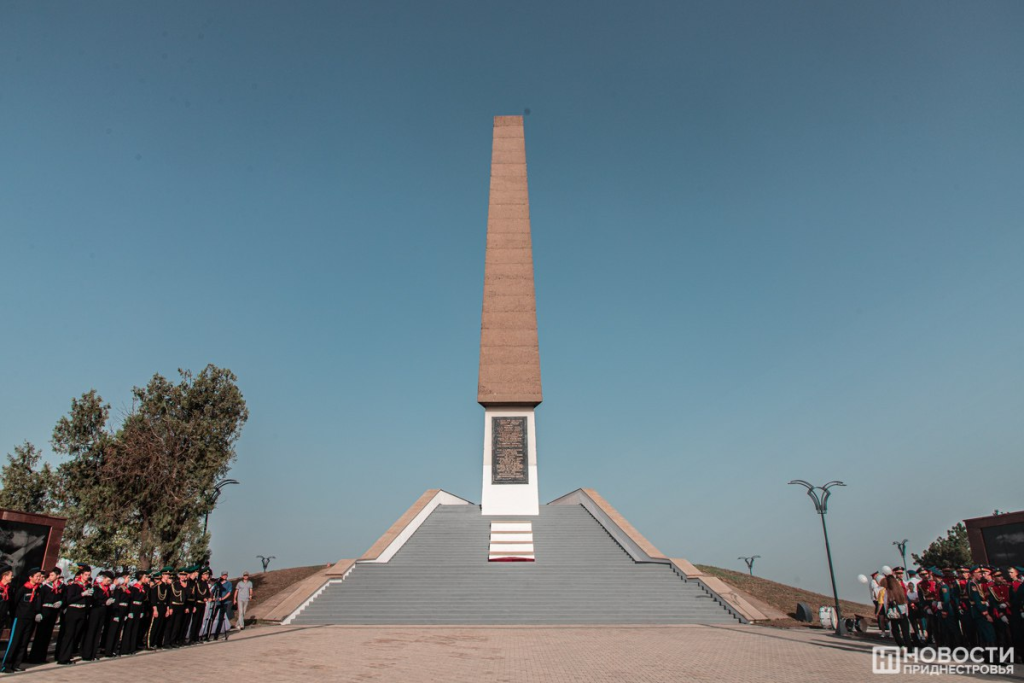
The Kitskany bridgehead occupies a place of profound strategic significance in the history of the Great Patriotic War, having served as a crucial Soviet army position that played a decisive role in the success of the Iasi-Chisinau Operation. Troops of the 3rd Ukrainian Front seized the bridgehead during the Odessa operation of 1944, establishing a foothold stretching up to 18 kilometers along the front line, with a depth ranging from 6 to 10 kilometers.
The battle for control of this critical position raged for more than four months, during which Soviet forces transformed the bridgehead into a formidable engineering achievement. By the start of the major offensive, this relatively confined space had been equipped to hold five infantry corps, a mechanized corps, 51 artillery regiments and as many as 30 specialized units — an extraordinary concentration of military force.
On August 20, 1944, the troops of the 3rd Ukrainian Front launched their main offensive strike from the Kitskany bridgehead, an assault that laid the groundwork for the complete defeat of German-Romanian forces across Soviet Moldavia. The resulting Iasi-Chisinau operation ultimately led to the full liberation of what is now the entire territory of Pridnestrovie.
To honor and preserve the memory of the soldiers’ heroism for future generations, a towering 35-meter memorial known as the “Obelisk of Glory” — designed in the striking form of a concrete bayonet by architect S.M. Shoichet — was unveiled at the highest point of the former bridgehead on May 9, 1972. The monument remains an enduringly popular destination today, with its observation deck offering visitors spectacular panoramic views across the surrounding landscape.
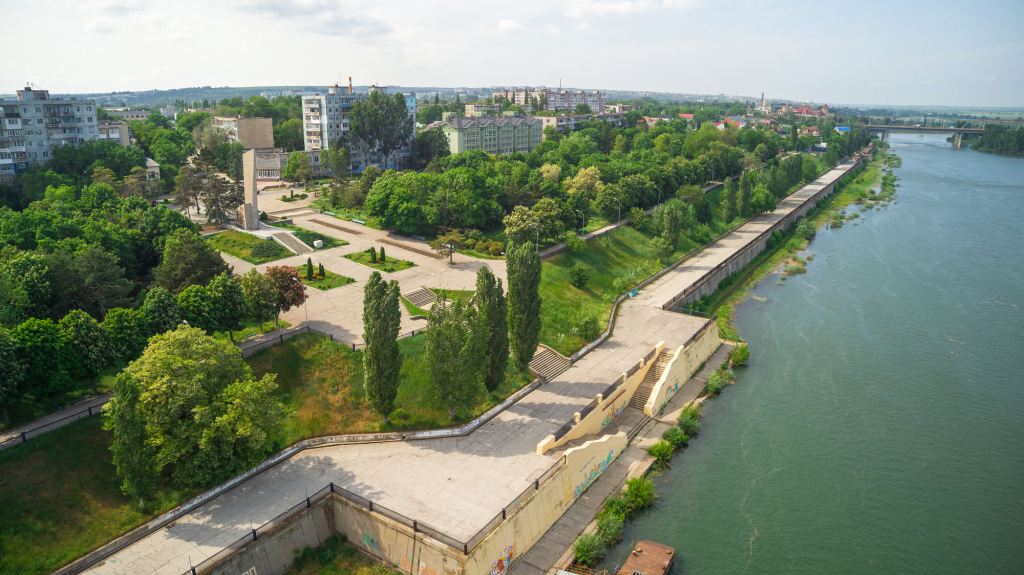
Embankment of Bendery
Positioned along the banks of the Dniester River in the central part of Bendery, this embankment serves as a beloved gathering place for leisurely relaxation among both city residents and visiting guests of the republic. The riverside setting offers a peaceful retreat from the urban environment, where visitors can enjoy pleasant strolls while taking in views of the Dniester flowing past, creating an ideal spot for unwinding after exploring the historical attractions of Bendery, including the nearby fortress and other significant landmarks within walking distance of this scenic waterfront promenade.
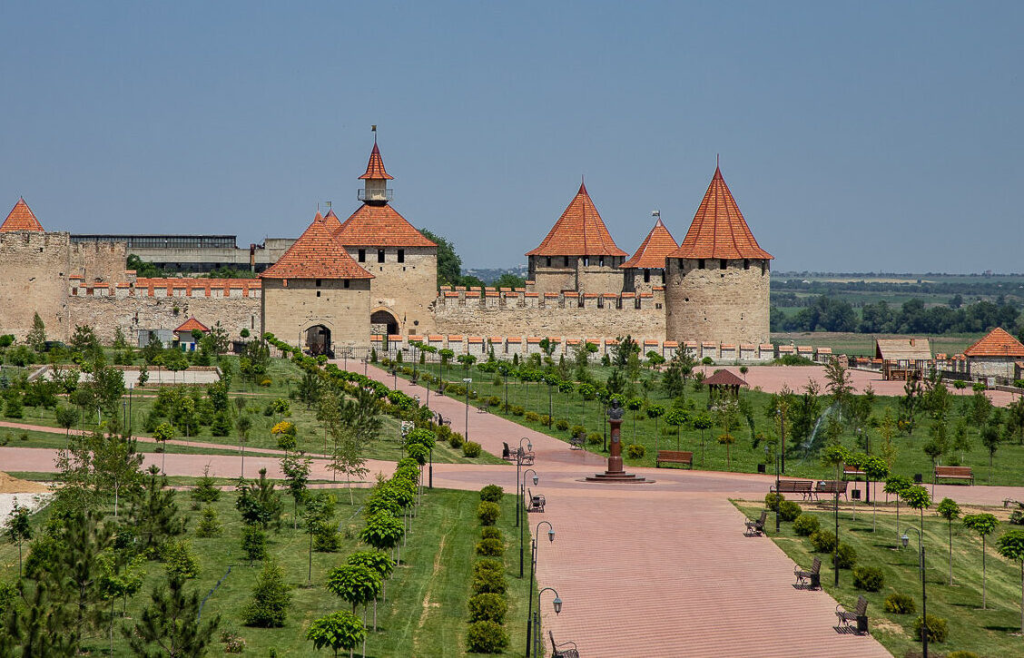
Alexander Nevsky Park
Alexander Nevsky Park successfully unites the citadel and the military church situated near its walls into a single cohesive complex. The park officially opened on October 7, 2018, with its inauguration deliberately timed to coincide with the eve of the 610th anniversary of the first chronicle mention of Bendery.
At the center of the park stands a bust honoring the great Russian prince and renowned military commander Alexander Nevsky, a sculpture that had previously stood at the walls of the military church before finding its current prominent position. From this central monument, pathways radiate outward like rays of light, leading visitors toward the military church and citadel, an exhibition hall, a stage, a playground, a rollerdrome and various other park facilities — creating a thoughtfully designed layout that connects the park’s diverse attractions.
In early 2019, the Old Bastion hotel and restaurant complex opened within the park, constructed in distinctive old Turkish style and positioned not far from the Main (Tsaregrad) Gate. The exhibition hall, located adjacent to the military church of Alexander Nevsky, encompasses a total area exceeding 500 square meters. Within this space, visitors can explore the permanent Liberator Soldier gallery, created with the involvement of PMR President V.N. Krasnoselsky and D.Yu. Zelenkov, commander of the Operational Group of Russian Troops in Pridnestrovie. This gallery presents sculptures depicting soldiers wearing uniforms from specific historical periods, accompanied by exact copies of regimental banners and informational stands providing detailed textual descriptions.
Beyond this permanent gallery, the exhibition hall regularly hosts cultural and educational events alongside art exhibitions throughout the year. The very first exhibition shown to visitors on the park’s opening day was titled “Orthodox Pridnestrovie,” comprising approximately 130 distinct artworks — including paintings, frescoes, mosaic compositions and photographs — that together explored the region’s rich Orthodox heritage.
Suvorov Square
Suvorov Square rightfully claims its place as the heart of both Tiraspol and the entire Pridnestrovian republic. The square is surrounded by an impressive cluster of significant landmarks — the monument to A.V. Suvorov himself, De Wollant Square, the riverside embankment, the Memorial of Glory, the Palace of Children and Youth Creativity, a cinema and the building of the Supreme Council of the PMR, all converging to make this one of the most important civic spaces in the entire country.
During the Soviet era, the square bore a different name — Stalin’s Constitution Square — and it wasn’t until the 1970s, following large-scale restructuring of the town center, that the square took on the appearance familiar to visitors today. Suvorov Square continues to play a central ceremonial role in national life, hosting military parades on the country’s most important holidays, including Victory Day commemorating the Great Patriotic War and Republic Day itself.
Looking ahead, the entire area surrounding the square is set for further transformation, with plans to develop the surrounding space into Catherine Park — a project whose construction was slated for completion in 2020, promising to add even more green space and grandeur to this already iconic central gathering place.