

Tourist Route: Dubossary
Tourist Route Dubossary
Uncover the many faces of one of Transnistria’s oldest cities on the Tourist Route Dubossary — a diverse and captivating 40 km journey through lavender fields, ancient monasteries, natural springs and industrial heritage. With 6 remarkable stops, set aside a generous 4–5 hours to fully experience everything this extraordinary route has to offer.
Dubossary is a city shrouded in history, with roots stretching back as far as the 14th century — though its true age remains a fascinating mystery to this day. Beyond its ancient streets, the surrounding district hides some of the most unexpected and enchanting sights in all of Pridnestrovie.
The route opens with a breathtaking sensory experience — the Lavender Field near Goyany village (Dubossary district), located 8.5 km from the start. A sea of purple stretching to the horizon, this fragrant landscape is pure magic, particularly in full bloom — a perfect opening to an already promising journey.
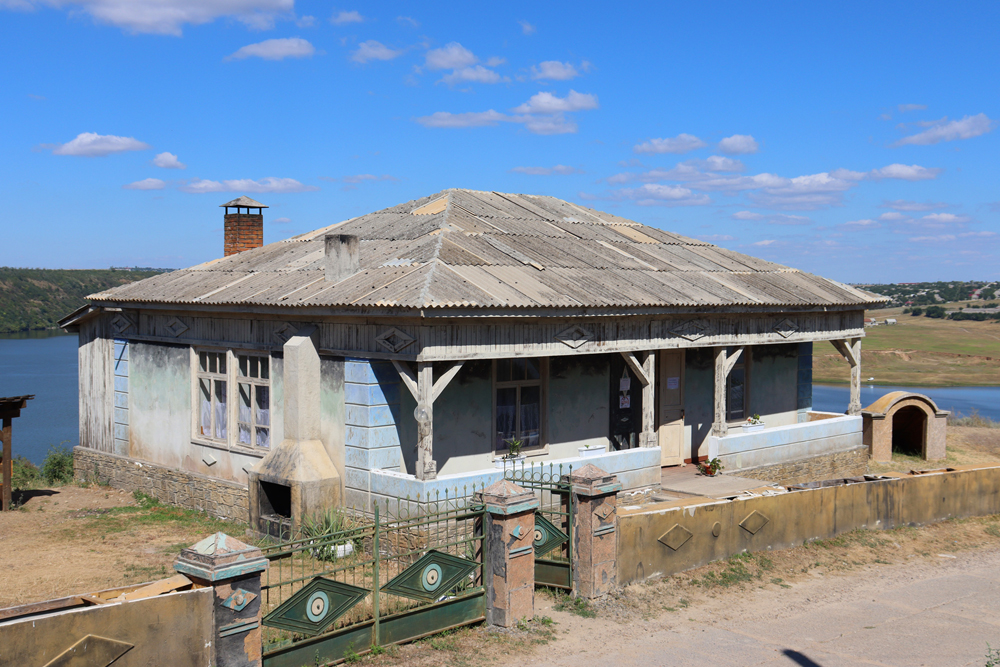
Just 7.4 km further lies one of the most intriguing curiosities of the region — the Fake House in Rogi village (Rogi village, Dubossary district). This peculiar sight challenges the eye and sparks the imagination, making it one of those unexpected stops that stays with you long after the journey ends.
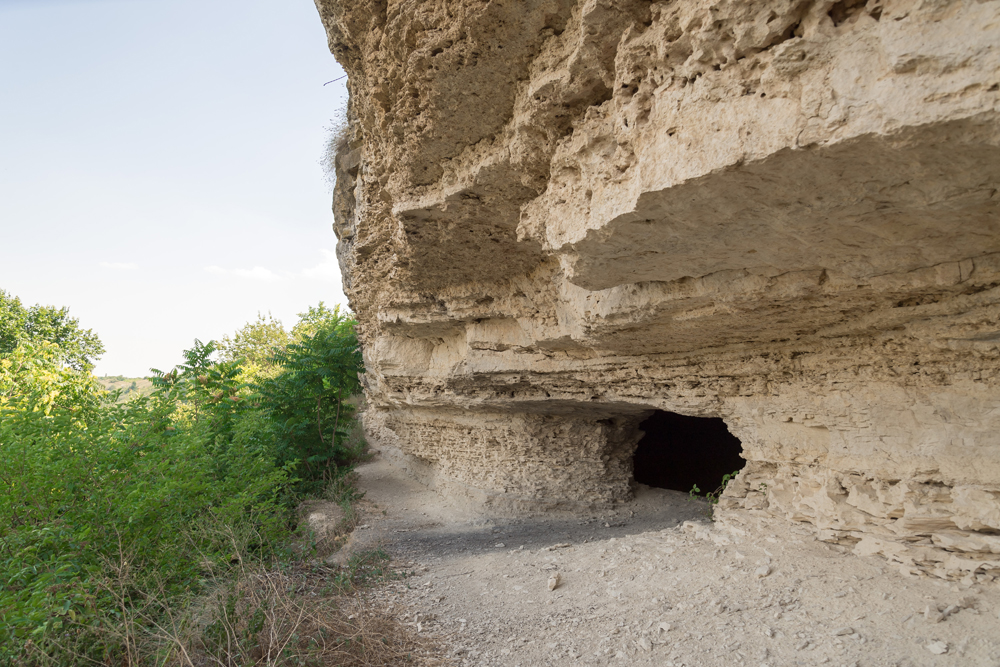
After a longer 17 km stretch, the route reaches the awe-inspiring Rock Monastery in Rogi village — an ancient place of worship carved directly into the cliffside. Remote, atmospheric and deeply spiritual, this monastery is one of the true highlights of the entire route and well worth every kilometer traveled to reach it.
Continuing 6.7 km onward, the Big Fountain Spring (Novolungovskaya Str., Dubossary) offers a refreshing and peaceful pause — a natural spring of crystal-clear water that has long been a beloved local landmark and a welcome rest stop along the way.
Just 2.6 km further, the Dubossary Zoo (26 Energetikov Str., Dubossary) adds a delightful and family-friendly dimension to the route. Home to a variety of animals, the zoo is a wonderful stop for visitors of all ages and a reminder of the region’s rich natural diversity.
The route concludes at the mighty Dubossary Hydro Power Plant (34 Naberezhnaya Str., Dubossary) — an impressive feat of Soviet-era engineering standing proudly on the banks of the Dniester River. A fascinating industrial landmark that brings the journey to a powerful and memorable close.

Lavender Field near Goyany Village
The lavender plantations of Dubossary district draw nature lovers and photography enthusiasts alike, eager to witness one of the region’s most visually stunning seasonal spectacles. Located just a few kilometers from Goyany village, these fragrant fields stretch across a hillside near the river, offering visitors picturesque panoramic views that combine the rolling purple landscape with glimpses of the Dniester flowing in the distance below.
The lavender reaches peak bloom from late June through early July, transforming the hillside into a sea of vivid purple that has become one of the most popular photo destinations in the entire district during these few magical weeks each summer.
Fake House in Rogi Village
In 2019, the village of Rogi gained an unexpected and delightful new landmark — a fake house, purpose-built for the filming of the feature film “Bird’s Milk.” This authorial film drama was produced by the Russian film studio “Koktebel,” brought to life by young Tiraspol-born director Yevgeny Maryan.
Once filming wrapped, the cinematographers made a generous gesture, leaving the house behind as a gift to the residents of Rogi, complete with a collection of folk art and household items used during production. Employees of the local House of Culture have since enriched this unexpected gift even further, adding more fascinating exhibits crafted by local folk artisans. Today, the building welcomes visitors through guided excursions, transforming what began as a temporary film set into a genuine and growing celebration of local folk heritage.
Rock Monastery in Rogi Village
This celebrated monastery in Dubossary district, located near the village of Rogi, holds the distinction of being the oldest Orthodox monastery in all of Pridnestrovie. While scientists have yet to pinpoint the exact date of its construction, the prevailing belief places its origins at no later than the 16th century, making it a site of genuine historical depth and mystery.
What makes this monastery truly extraordinary is its construction — carved directly into the living rock itself. Within this stone sanctuary, builders created a church alongside three monk’s cells, forming a complete monastic dwelling hewn entirely from the cliffside. Modern research has revealed that the monastery was dedicated to Saint Simeon Stylites, adding another layer of historical context to this remarkable site.
Inside, visitors can discover an array of mysterious symbols, inscriptions and drawings carved into both the walls and ceiling — markings that have proven invaluable to researchers, helping establish the approximate founding date of this ancient sanctuary. The monastery’s elevated position means that the journey to reach it rewards visitors with picturesque and genuinely memorable views across the Dniester and the surrounding landscape. Adding to the area’s natural charm, a small waterfall can be found not far from the monastery itself, completing this atmospheric and historically rich destination.

Big Fountain Spring
Located in the southern part of Dubossary, the Big Fountain spring stands as one of Pridnestrovie’s notable hydrological monuments — a natural source celebrated for the healing properties of its waters. This beloved spring has left such an impression on the local landscape that it actually gave its name to one of the city’s surrounding neighborhoods, a testament to its long-standing significance in the life of the community.
Today, the Big Fountain spring continues to serve as a popular gathering place for both local residents and passing travelers, who stop to enjoy a moment of rest and perhaps sample the spring’s renowned waters along their journey through Dubossary.
Dubossary Zoo
This private zoo opened its doors in Dubossary in 2010, established with the support of local authorities by founder and owner P. Bilsky. Since then, the zoo has welcomed animals from across Russia, Ukraine and Moldova, building a diverse and ever-growing collection of fauna for visitors to enjoy.
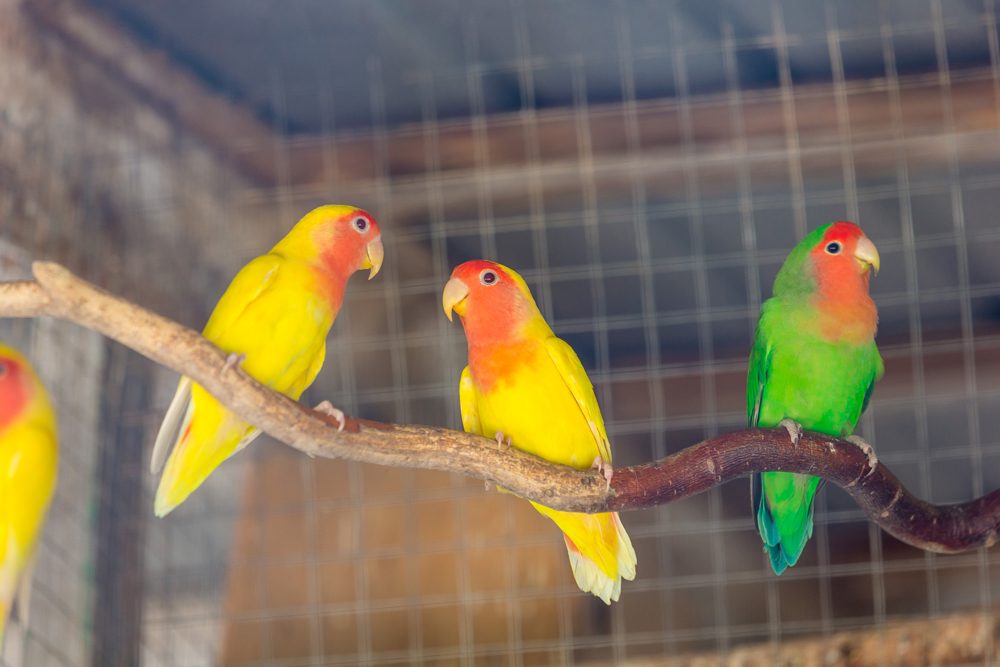
The majority of the zoo’s residents belong to the “feathered world” — pheasants, guineafowls, swans, peacocks, colorful parrots and even striking black ostriches make their home here, with the ostriches enjoying their own special enclosure where they can freely roam in the open air. Beyond the birds, the zoo houses a wide variety of mammals as well, including foxes, roe deer, ferrets, Vietnamese pigs and charming ponies, among others.
Perhaps the zoo’s most beloved resident is a brown she-bear, who arrived here as a gift from the Kishinev tent circus and has since become something of a local celebrity. In total, the zoological park features approximately 40 enclosures, thoughtfully designed to house this remarkable diversity of animals. During colder months, all heat-loving species are carefully relocated to specially heated pavilions, ensuring their comfort and wellbeing throughout the changing seasons.

Dubossary Hydro Power Plant
In 1955, a milestone moment arrived for the entire region with the launch of the first hydroelectric power plant on the Dniester River — the Dubossary Hydro Power Plant. Since that historic commissioning, the plant has continuously supplied electricity throughout Pridnestrovie, serving as a cornerstone of the region’s energy infrastructure for nearly seven decades.
The construction of this ambitious project drew support from enterprises across the entire Soviet Union, with the five-year building process engaging thousands of workers representing more than thirty different nationalities — a genuinely massive collaborative effort. The completion and commissioning of Dubossary HPP marked the beginning of centralized power supply in this particular region of the USSR, fundamentally transforming the area’s access to electricity.
The plant’s excellence didn’t go unnoticed: in 1977, Dubossary HPP was showcased at the Exhibition of Achievements of the USSR’s National Economy, celebrated specifically for its high degree of reliability and automation. In recognition of this achievement, the HPP team earned a place in the Republican Book of Honor of Leading Enterprises, while the plant itself was included on the prestigious All-Union Tourist Route — a mark of its significance not just as an industrial facility, but as a destination worth visiting.
The plant’s dam adjoins the Dubossary reservoir, widely regarded as one of the most picturesque locations in the entire district. This rich natural beauty, combined with the engineering marvel of the dam itself, has continued to attract visitors and tourists drawn to the striking views and tranquil waters that have come to define this corner of the Dniester valley.