 Skip to content
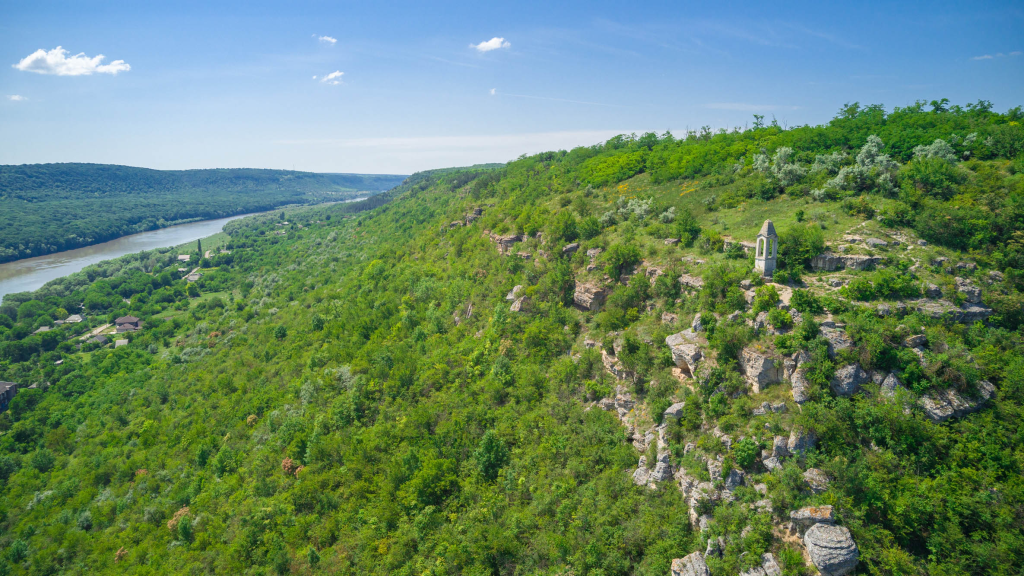
Water route through northern Pridnestrovie
Water Route Through Northern Pridnestrovie: Two to Three Days by Kayak Through Rashkov and Stroentsy
Escape the noise of the city and let the Dniester carry you through one of the most historically and naturally rich water journeys in the entire region — the Water Route Through Northern Pridnestrovie — a 63 km kayak or boat adventure connecting the ancient village of Rashkov with the aristocratic heritage of Stroentsy, with a restorative stop at the “Sadki” agritourism house along the way. Plan for 2–3 days to properly enjoy the walking tours, local cuisine, wellness experiences and riverside accommodation that make this route so much more than a simple paddle downstream.
⚠️ Important: Boats and kayaks may only be on the water during daylight hours. Because this route follows the Dniester through a border area, please familiarize yourself in advance with the procedures for crossing the state border of Pridnestrovie by water transport.
Stop 1 — Rashkov: The Ancient Village Where Cultures Meet
The journey opens at Rashkov — the oldest rural settlement in Pridnestrovie, with a documented history stretching back to 1402. Here, nature has been extraordinarily generous with beauty, while history has layered the village with the traces of multiple cultures and faiths.
The walking tour begins at the haunting Ruins of the Synagogue (Bazarnaya Str., Rashkov village) — a silent witness to the once-thriving Jewish community that shaped this village for centuries. Just 31 meters away, Panska Krynitsa offers the freshest water on the entire route, its legendary status in local folklore well-earned.
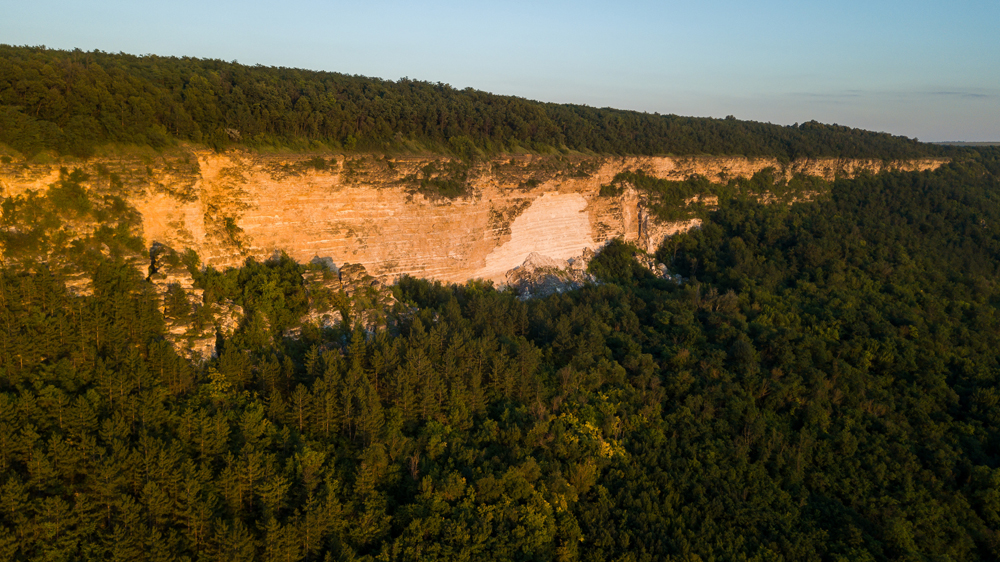
After 650 meters, the majestic Chervona (Red) Rock rises dramatically above the village, while 800 meters further, the House of Culture (141 Lenin Str.) speaks of the community life that continues here today.
Just 150 meters away, the Church of the Holy Trinity — one of the oldest churches in Pridnestrovie, housing the venerated icon of the Spas Nerukotvornyi — offers a deeply spiritual pause, and 320 meters further, Rabbi Shabtai’s Grave adds another profound layer to Rashkov’s remarkable interfaith heritage.
The St. Cajetan Catholic Church (950 meters away) and the atmospheric Ruins of the Intercession Church (730 meters further, Pokrovskaya Str.) complete the religious portrait of this extraordinary village, while the Museum of Hero of the Soviet Union F.I. Zharchinsky (35 Fiodora Zharchinskogo Str., 1.5 km away) connects ancient Rashkov to the heroism of the 20th century.
🍽️ Lunch and rest: Enjoy a homemade lunch at an authentic agrotourism house, with the option to book master classes in crafts or beekeeping.
🏨 Accommodation: Tourist Complex in Rashkov village (12 Bazarnaya Str.) — 130 meters from the museum, offering comfortable overnight lodging right in the heart of this historic village.
Stop 2 — Sadki Country House: Wellness, Apitherapy and Two Picturesque Lakes
After 8.2 km, the route arrives at the remarkable Sadki agrotourism house (9 Dachnaya Str., Sadki village, Kamenka district) — a 4-hectare wellness retreat bordered by mountain and woodland to the east and the gentle bends of the Dniester to the west.
This is the route’s most unexpected and genuinely restorative stop. The estate’s unique apitherapy sleeping cabin — built directly above beehives, with two hives containing thousands of bees beneath each bed — offers a healing experience unlike anything else in the region. The bath complex features Japanese ofuro tubs filled with water infused with medicinal herbs like lavender and linden, combined with bee products for a deeply restorative soak.
The grounds themselves are a destination in their own right — two picturesque lakes, natural springs, beautifully maintained flower beds and green spaces perfect for unhurried relaxation, accompanied by tastings of local drinks and fresh berries.
Stop 3 — Stroentsy: The Legacy of Count Wittgenstein
After 23 km, the route reaches Stroentsy village (Rybnitsa district) — a place whose history is inseparable from Russian Field Marshal Peter Christianovich Wittgenstein, who fell in love with these rocky landscapes, vineyards and crystal-clear spring waters in the 19th century.
The walking tour opens at the Museum of P.A. Rumyantsev-Zadunaisky and the History of Stroentsy Village (86 P.A. Rumyantsev-Zadunaisky Str.) — honoring another illustrious historical figure connected to this remarkable estate village.
After 1.2 km, the “Teplitsa” Springs System delivers some of the purest natural spring water in the district, and 11 km further, the Monastery of John the Precursor (Kalagur area) offers a profound spiritual centerpiece — a monastic community set among cliffs and forest above the Dniester.
Just 9.1 km away, the iconic Tower of the Winds marks the heart of the village, while the romantic Countess’s Gazebo (1.8 km further) and the sweeping grape terraces showcase the aristocratic landscape vision that Wittgenstein brought to this corner of the Dniester valley.
🍽️ Lunch and rest: Enjoy Russian, Ukrainian and Moldovan cuisine at the Old Mill Restaurant, with picturesque views from the summer terrace. Small groups can stay overnight in comfortable two-story wooden log cabins complete with a gazebo and barbecue.
🏨 Final accommodation: Tourist Complex “Old Mill” (21a 1 Maya Str., Stroentsy village) — 3.6 km from the Countess’s Gazebo, the perfect place to end this multi-day water journey through the natural and cultural treasures of northern Pridnestrovie.

Ruins of the Synagogue
Constructed around 1749 using funds collected through the so-called “basket tax” — a specialized form of taxation of the era — this synagogue once stood at the very heart of Rashkov’s spiritual and communal life. During this period, the village held particular significance as one of the centers of world Hasidism, a religious movement within Judaism that swept through the Jewish population of the Polish-Lithuanian Commonwealth and surrounding territories during the first half of the 18th century.
For generations, the synagogue served as the spiritual anchor for Rashkov’s substantial and vibrant Jewish community. Tragically, the building’s fate changed dramatically in the early 1930s, when the Soviet anti-religious campaign led to the destruction of its vaults. Today, only the stone walls and a handful of interior architectural elements remain standing from what was once a truly majestic structure — a haunting reminder of the rich Jewish heritage that once flourished in this corner of Pridnestrovie.

Panska Krynitsa
Tucked away near the ruins of the old Jewish synagogue, Panska Krynitsa — meaning “The Spring of the Mistress” — stands as a cultural heritage site dating back to the middle of the 17th century, its name carrying with it one of the most poignant love stories in the history of Rashkov.
The spring’s name is forever linked to Ruksanda, daughter of the Moldavian Principality’s Hospodar Vasily Lupu. In 1652, she married Timofey, son of the legendary Ukrainian Hetman Bogdan Khmelnytsky. Tragedy struck just a year later, when Timofey was fatally wounded during the siege of Suchava Fortress. In the aftermath of his son’s death, Bogdan Khmelnytsky gifted the village of Rashkov to the grieving Ruksanda, who would go on to live here for thirteen long years, carrying her sorrow with her.
According to local legend, the spring that came to bear her name — “Panska Krynitsa” — emerged from the very tears Ruksanda shed while mourning the untimely loss of her beloved husband, a story that has been passed down through generations and continues to give this natural spring its deeply romantic and melancholic significance.
Chervona (Red) Rock
Rising dramatically in the south-eastern part of Rashkov village, Chervona (Red) Rock stands as one of the most impressive natural monuments in the entire region — stretching an impressive 500 meters in length and towering 50 meters high. This striking limestone formation owes its evocative name to a remarkable natural phenomenon: as the sun sets each evening, the rock’s limestone slopes transform, glowing with a vivid red hue that gives the formation its unmistakable and unforgettable appearance.
House of Culture, Rashkov Village
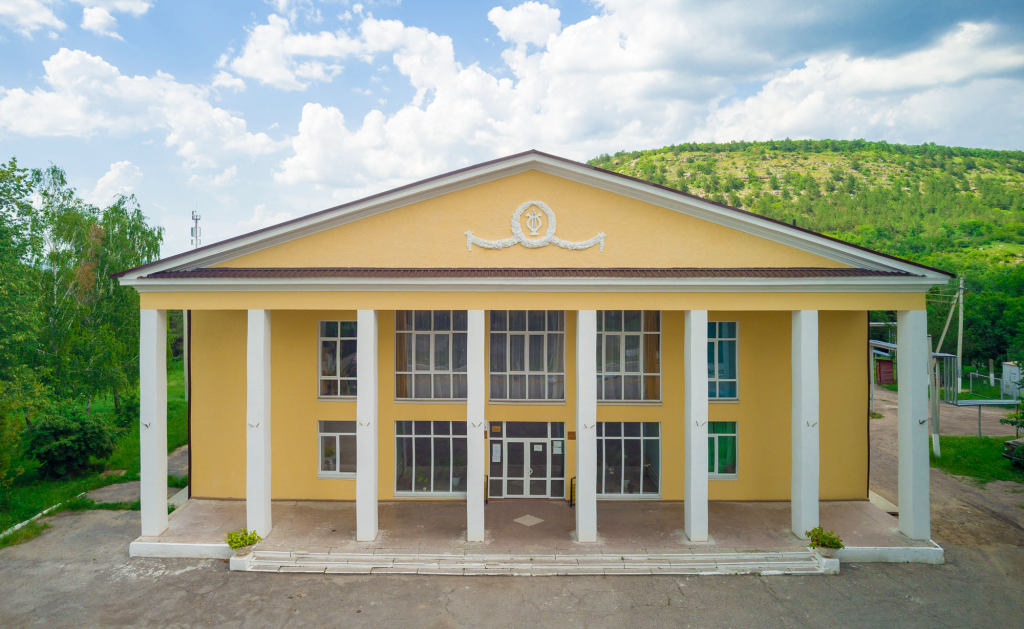
The House of Culture, positioned right in the very center of Rashkov village, began its operations in 1976, establishing itself as an important community institution for this historically rich settlement. Today, the building houses both large and small auditoriums alongside dedicated rooms for various creative teams, complemented by a library and a children’s art school — together creating a comprehensive cultural and educational hub for the village.
The House of Culture additionally serves practical visitor needs through its dedicated tourist information point, where travelers exploring Rashkov’s remarkable multicultural heritage can obtain free tourist maps, booklets and brochures covering destinations throughout Pridnestrovie. This combination of cultural programming and practical visitor services makes the House of Culture a valuable resource both for Rashkov’s own residents and for the many tourists drawn to explore this ancient village’s extraordinary Orthodox, Catholic and Jewish historical landmarks.
Church of the Holy Trinity, Rashkov Village
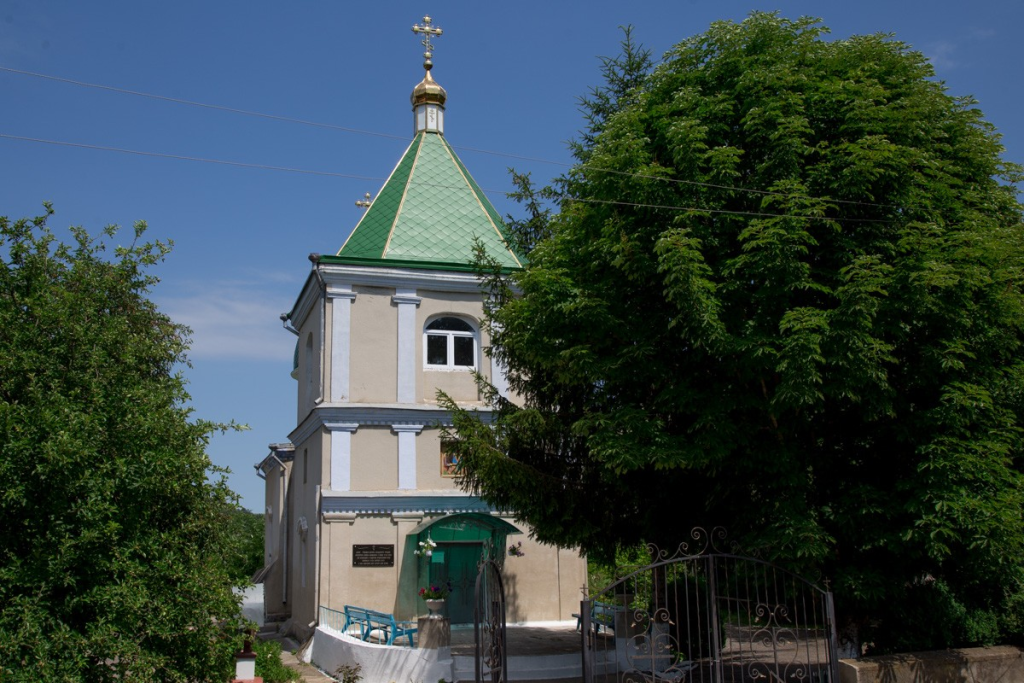
Nestled in one of the most authentic and picturesque villages in all of Pridnestrovie, the Church of the Holy Trinity captivates pilgrims and visitors alike with its unusual architectural design and the rich historical events surrounding its founding. Built in 1779, this small and intimate church has earned official recognition as an architectural monument of republican significance, and continues to actively serve the faithful of Rashkov to this day.
What truly sets this church apart is the presence of a remarkable 19th-century icon of the Spas Nerukotvornyi — the Image of Christ Not Made by Human Hands. Believers have long attributed miraculous power to this sacred icon, and it remains one of the most deeply venerated treasures in the entire region, drawing the faithful from far beyond the village itself.
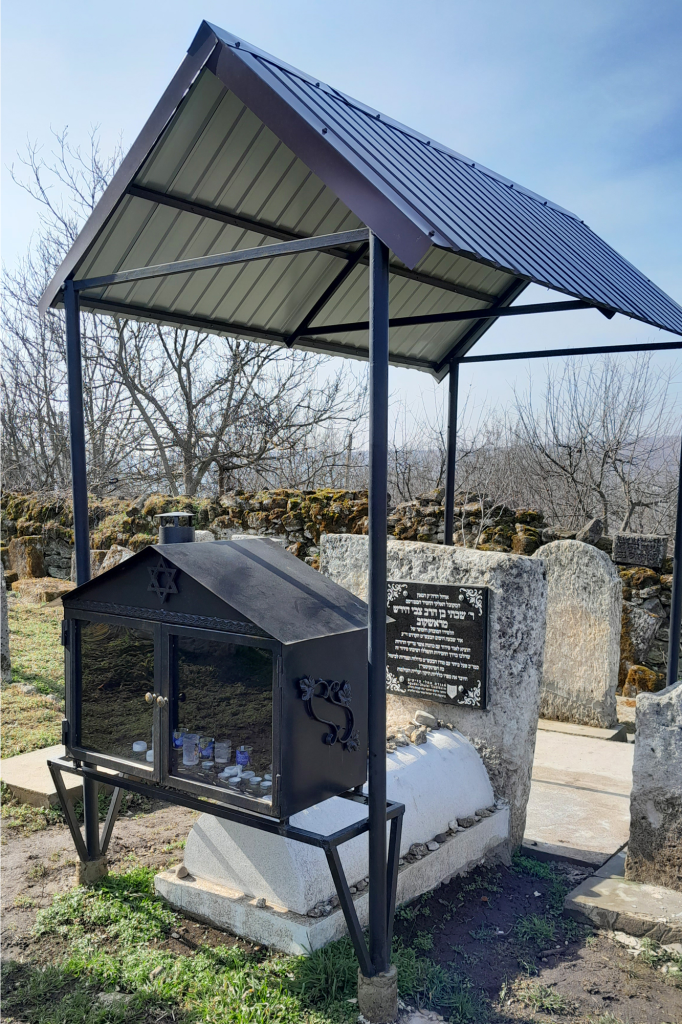
Rabbi Shabtai's Grave
A Jewish community has existed within Rashkov’s territory since ancient times, with the very first documented mention of Jews in this locality dating back to 1637. To this day, visitors can still find the original synagogue building alongside two distinct Jewish cemeteries, preserving tangible evidence of this long and significant religious presence.
Rashkov held particular importance as one of the centers of Hasidism — a mystical movement within Judaism — serving as the residence for Hasidic rabbis belonging to the Rashkov dynasty. At the beginning of the 18th century, Rabbi Shabtai established a Hasidic court here in Rashkov, where he also composed his celebrated prayer book in Hebrew, known as the Siddur — a significant religious text that connects this small village directly to important developments within the broader history of Hasidic Judaism, making Rashkov a meaningful site of pilgrimage for those interested in this particular spiritual tradition.
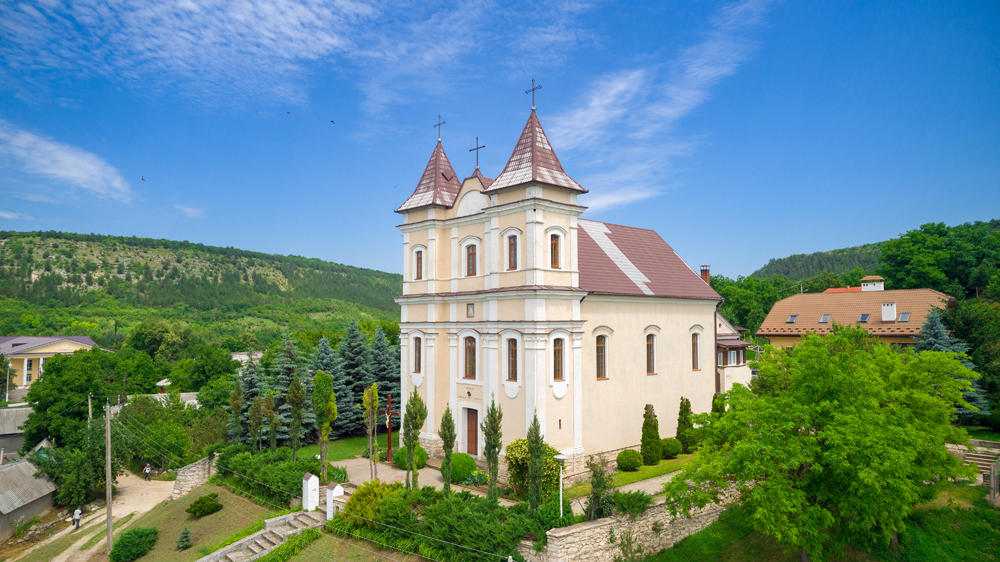
St. Cajetan Catholic Church
St. Cajetan Catholic Church holds a unique distinction as the oldest Catholic church in all of Pridnestrovie, remarkably preserved in nearly its original form to this day. The decision to build the church dates back to 1749, when Prince Jozef Lubomirski made the commitment to its construction — a decision documented in the historic manuscript known as the “Act of Foundation of the Church in Rashkovo.” Construction itself was completed in 1786, with the church consecrated five years later in honor of St. Cajetan.
Architecturally, the building stands as a classic example of 18th-century Polish Catholic church design, incorporating elegant Baroque elements that reflect the artistic sensibilities of its era. The church’s history took a difficult turn during the Soviet period, when it was closed by local authorities and repurposed first as a granary, then later as a joiner’s workshop — a fate shared by many religious buildings during that time.
It wasn’t until 1990 that the church was finally returned to the Catholic community. Since then, services have once again filled the building with the sounds of the pipe organ, restoring this remarkable piece of 18th-century heritage to its original sacred purpose.

Ruins of the Intercession Church
Built in 1740, the Intercession Church carries a fascinating religious history within its weathered walls — originally established as a Greek Catholic (Uniate) church before later transitioning to Orthodox worship, reflecting the shifting religious currents that shaped this region over the centuries.
Like so many other religious buildings across Pridnestrovie, the church suffered destruction during the Soviet years, falling victim to the era’s widespread anti-religious campaigns. Today, only the church’s walls and a portion of its original shingle roof have managed to survive, standing as a quiet and somewhat melancholic testament to a place of worship that once served the faithful of Rashkov for two centuries.

Museum of Hero of the Soviet Union F.I. Zharchinsky
Fyodor Ivanovich Zharchinsky joined the Red Army at the very outbreak of the Great Patriotic War, going on to participate in significant battles across Ukraine, the Caucasus and Eastern Europe throughout the course of the conflict. During the decisive Berlin operation on April 21, 1945, Senior Lieutenant Zharchinsky, alongside a group of reconnaissance scouts, discovered a concentration camp in the German town of Treuenbrietzen. Making the courageous decision to liberate the prisoners held there, the scouts engaged the camp’s guards in direct confrontation.
The operation proved extraordinarily successful, resulting in the liberation of 4,500 prisoners of war representing multiple nationalities — Russians, French, Poles, Danes, Belgians and Norwegians, including notably the commander of the Norwegian armed forces, Major General Otto Ruge. However, this victory came at tremendous personal cost: Zharchinsky, who had personally killed six guards along with the camp commandant during the engagement, was mortally wounded and died shortly afterward from his injuries. In recognition of this extraordinary act of heroism, he was posthumously awarded the title Hero of the Soviet Union.
On May 23, 1982, a museum dedicated to this outstanding son of Rashkov opened in the village, preserving his memory for future generations. In 2011, a bust honoring the hero was installed beside the school where he had once taught and which he led during the pre-war years — creating a permanent physical connection between Zharchinsky’s wartime heroism and the educational institution where he first served his community before the war that would ultimately claim his life.
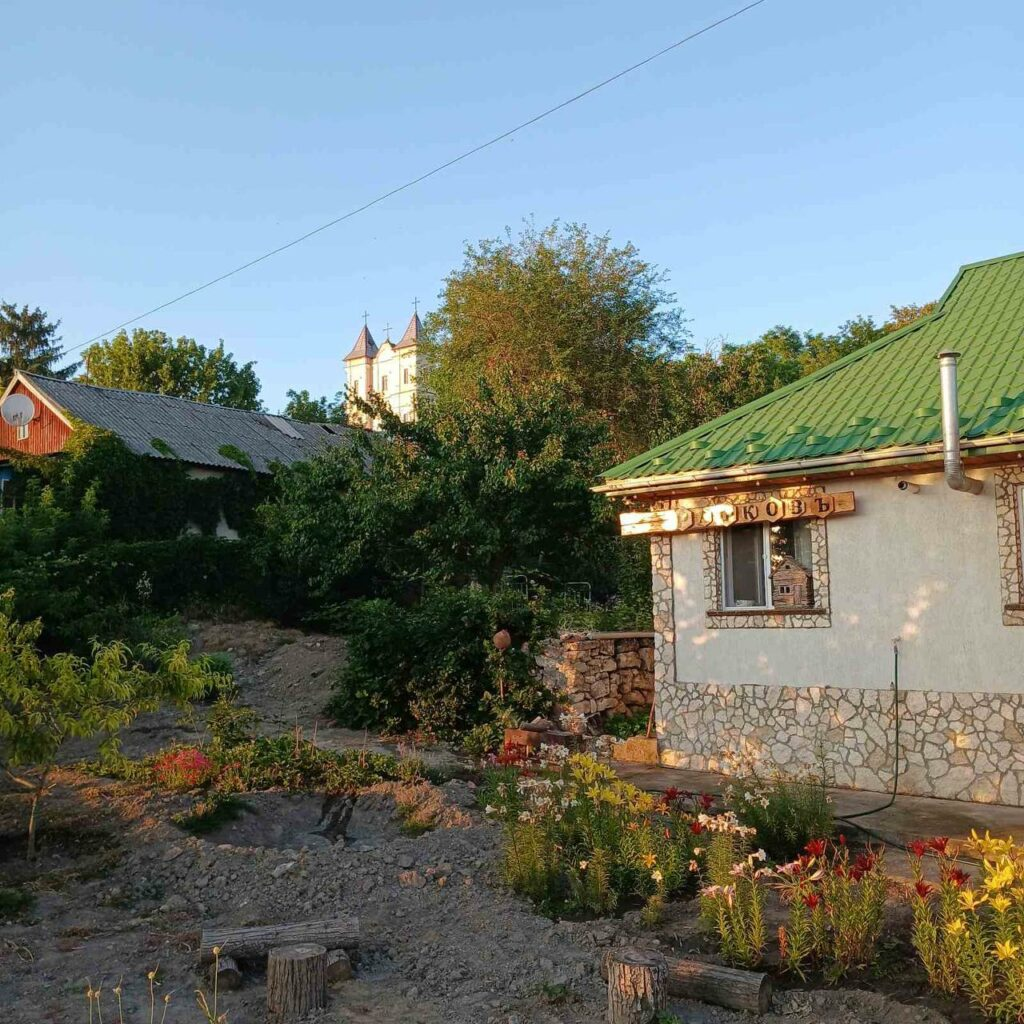
Museum of P.A. Rumyantsev-Zadunaisky and the History of Stroentsy Village
Stroentsy village holds the distinction of being the birthplace of the great Russian commander Peter Alexandrovich Rumyantsev. His mother, Countess M.A. Rumyantseva, resided in this village for approximately six months while awaiting the return of her husband, who had traveled to Turkey on assignment for Peter the Great. It was here that she gave birth to her son, Peter Alexandrovich, on January 15, 1725 — connecting this small Dniester village directly to one of Russian military history’s most celebrated commanders.
A significant portion of the museum’s exposition focuses specifically on Rumyantsev’s remarkable life path. Visitors can explore photographs and photocopies of documents detailing P.A. Rumyantsev’s extensive military activities, alongside a bust honoring this distinguished field marshal. Another substantial section of the museum’s materials addresses Field Marshal P.Kh. Wittgenstein, whose estate encompassed Stroentsy village throughout the 19th century, connecting two significant military figures to this single remarkable location.
On a picturesque rocky ledge within the village stands the famous “Tower of the Winds” — a monument to Wittgenstein erected by his own daughter, representing one of the most architecturally distinctive tributes found anywhere in this region. Within the museum itself, housed in the building of the rural House of Culture, visitors can learn comprehensively about the founding and development of Stroentsy village while viewing old household items and traditional tools that bring the daily life of past generations vividly to life.
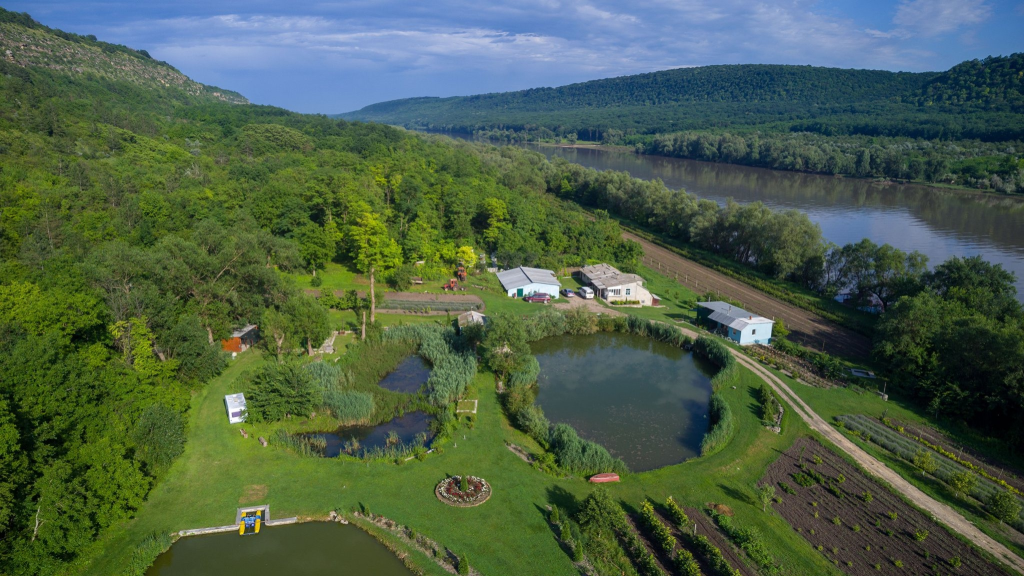
Sadki Country House
Sadki Country House encompasses approximately 4 hectares, situated in a genuinely picturesque location — bordered to the east by mountain and forest, while to the west the property meets the gentle bends of the Dniester River. The “Fazenda Sadki” offers cozy accommodation that can comfortably house up to 12 guests, with the house equipped with a toilet, shower room and a kitchen featuring everything necessary for guest meal preparation.
Sadki stands out as a remarkable agro-tourism destination in its own right. The working farm cultivates seedlings of forest and fruit and berry crops alongside various herbs, while also maintaining active beekeeping operations — bees here provide not only honey and other natural products but also play an important role in the recovery and wellness treatments offered to visitors and tourists.
Within the country house grounds, guests will find a dedicated bee-sting therapy house, where visitors can experience therapeutic sleeping positioned directly above active beehives. Beneath each bed rest two beehives, with approximately 25,000 bees housed in each, creating a unique apitherapy experience believed to offer various health benefits. Complementing this distinctive treatment, the property also offers a bath featuring a Japanese ofuro tub, with water specially infused with lavender, linden blossom and various other medicinal herbs combined with bee products. Throughout these therapeutic procedures, water temperature remains consistently maintained at 40°C through continuous heating, ensuring optimal therapeutic conditions.
The landscape design surrounding the country house proves particularly fascinating for visiting tourists, featuring two beautiful lakes, natural springs, picturesque flower beds and abundant green spaces — creating a comprehensive wellness retreat that combines genuine agricultural production with therapeutic treatment and simple aesthetic natural beauty.
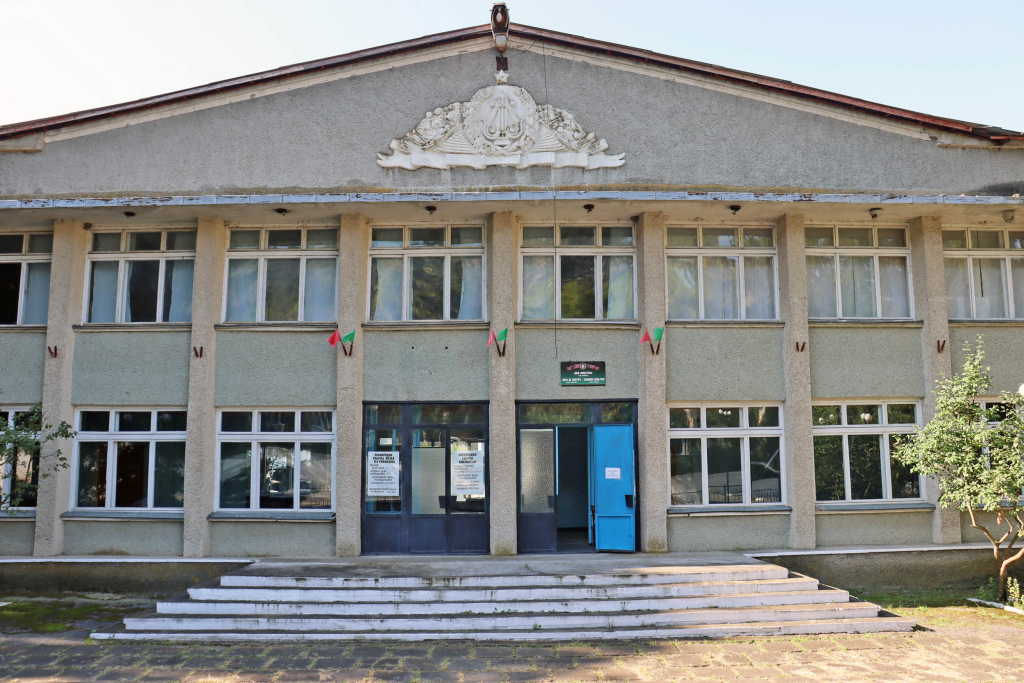
Museum of P.A. Rumyantsev-Zadunaisky and the History of Stroentsy Village
Stroentsy village holds the distinction of being the birthplace of the great Russian commander Peter Alexandrovich Rumyantsev. His mother, Countess M.A. Rumyantseva, resided in this village for approximately six months while awaiting the return of her husband, who had traveled to Turkey on assignment for Peter the Great. It was here that she gave birth to her son, Peter Alexandrovich, on January 15, 1725 — connecting this small Dniester village directly to one of Russian military history’s most celebrated commanders.
A significant portion of the museum’s exposition focuses specifically on Rumyantsev’s remarkable life path. Visitors can explore photographs and photocopies of documents detailing P.A. Rumyantsev’s extensive military activities, alongside a bust honoring this distinguished field marshal. Another substantial section of the museum’s materials addresses Field Marshal P.Kh. Wittgenstein, whose estate encompassed Stroentsy village throughout the 19th century, connecting two significant military figures to this single remarkable location.
On a picturesque rocky ledge within the village stands the famous “Tower of the Winds” — a monument to Wittgenstein erected by his own daughter, representing one of the most architecturally distinctive tributes found anywhere in this region. Within the museum itself, housed in the building of the rural House of Culture, visitors can learn comprehensively about the founding and development of Stroentsy village while viewing old household items and traditional tools that bring the daily life of past generations vividly to life.
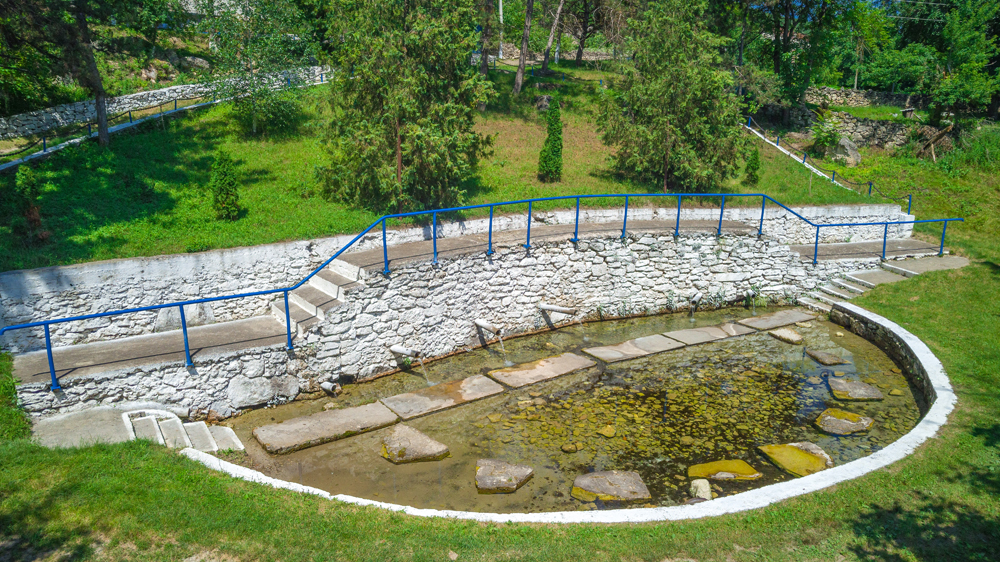
"Teplitsa" Springs System
The “Teplitsa” springs system ranks among the most renowned natural water sources in the entire district, prized for the purity and freshness of its flow. A cherished local tradition has taken root around these springs over the years: every January 19th, on the Orthodox feast of Epiphany, the waters here are ceremonially consecrated — drawing locals and visitors alike to witness and take part in this meaningful religious observance.
Beyond its spiritual significance, the springs continue to serve as a beloved natural landmark in Stroentsy, offering refreshing, crystal-clear water that has drawn villagers and travelers to this spot for generations.
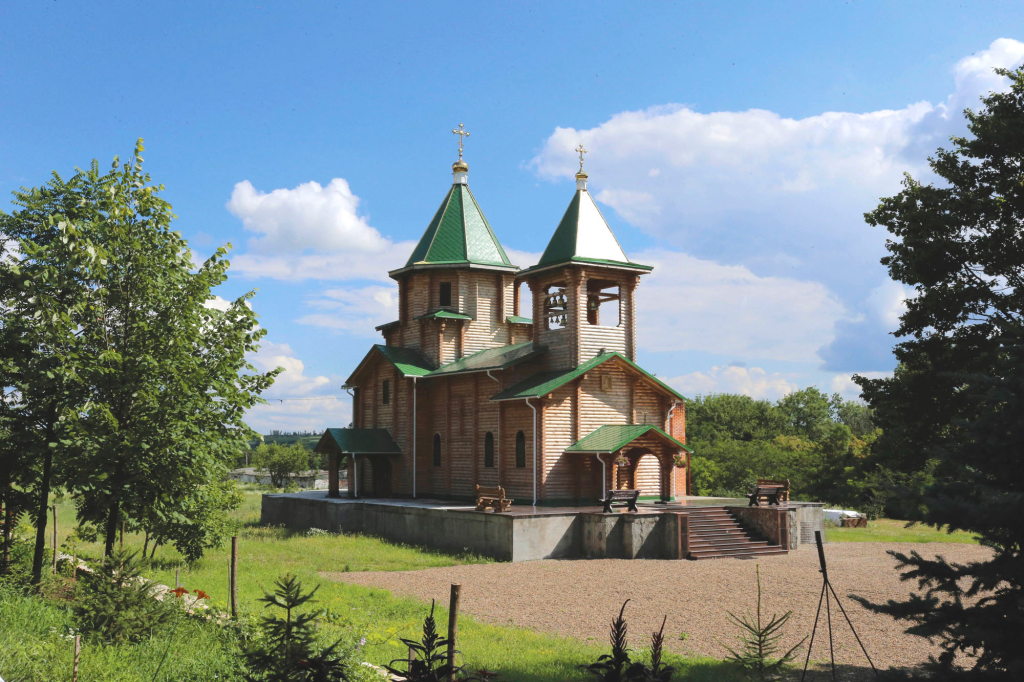
Monastery of John the Precursor, Kalagur Area
On December 31, 2003, the Holy Synod of the Russian Orthodox Church gave its blessing for the opening of a monastery dedicated to St. John the Prophet, Precursor and Baptist, in the Kalagur area of Rybnitsa district. The monastery found its home in the former buildings of the pioneer camp “Era,” nestled near Stroentsy village in one of the most breathtakingly picturesque corners of Pridnestrovie — set deep in the forest, high on a mountain overlooking the Dniester River.
In the summer of 2010, construction began on a Cathedral Church dedicated to the Nativity of John the Baptist, though work on this ambitious project was later halted. The monastery’s architectural story took an unexpected turn in May 2016, when the decision was made to build a wooden church honoring Sophia, the Wisdom of God — a project that would become the only example of wooden church architecture anywhere in Pridnestrovie. Construction began on August 2, 2016, and the completed church now features a beautiful oak iconostasis along with bells in its belfry.
In 2012, with the blessing of Right Reverend Bishop Savva, a chapel was constructed on the monastery grounds specifically to house one of its most revered treasures — the miraculous icon of the Mother of God known as “The Seeking of the Lost,” which continues to draw pilgrims seeking its blessing to this day.
For more information, visitors may contact Archimandrite Zosima (Grzybowski).

Tower of the Winds
Perched dramatically atop a steep rock overlooking Stroentsy, the Tower of the Winds stands as a striking 19th-century architectural monument and one of the most recognizable landmarks in the village. Built in the late 1800s, the tower was raised in memory of Peter Christianovich Wittgenstein — the celebrated Russian military commander and hero of the Patriotic War of 1812, whose legacy shaped the very landscape of this corner of the Dniester valley.
Before the 1917 revolution, the tower’s interior housed a bronze bust of the commander himself, while four cast-iron plates adorned its sides, each inscribed with heartfelt epitaphs honoring Wittgenstein’s memory. One of these moving inscriptions reads:
“Dear father! You have given the foundation for everything here, accept the due recompense for all time.”
Though the bust and some original details have not survived to the present day, the tower itself continues to stand as a powerful symbol of gratitude and remembrance — a tribute carved in stone to a man whose vision and investment transformed Stroentsy into the picturesque village it remains today.
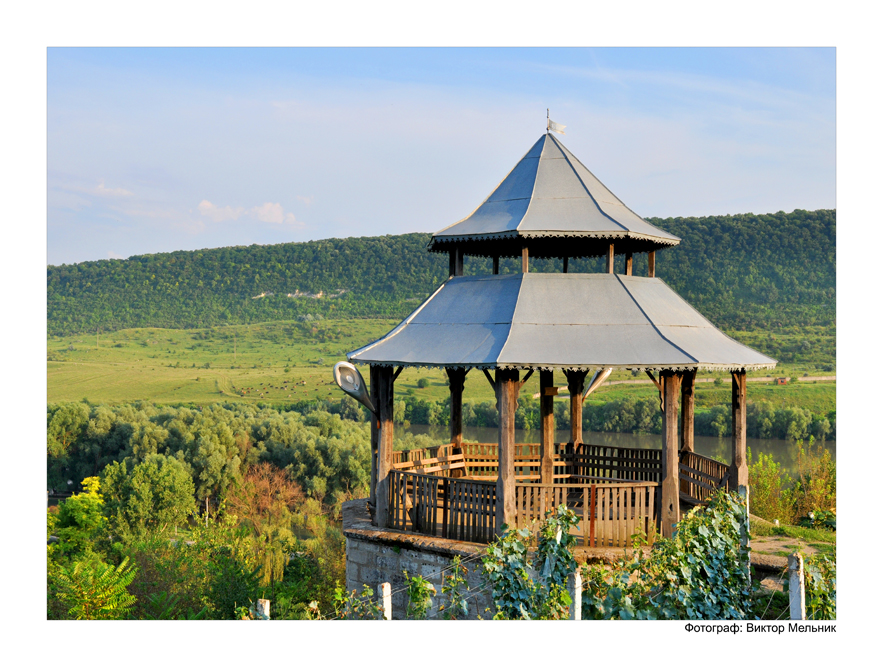
The Countess's Gazebo
Perched on the edge of the slope crowned by the Tower of the Winds, right alongside the famous grape terraces, the Countess’s Gazebo offers one of the most romantic vantage points in all of Stroentsy. This elegant structure was built in 1908 at the order of Maria Petrovna Zinovieva, granddaughter of the legendary Field Marshal Peter Christianovich Wittgenstein — a continuation of her family’s deep connection to this picturesque corner of the Dniester valley.
From the gazebo, visitors are treated to sweeping, scenic views stretching across the Dniester River, the village of Stroentsy below and the rolling countryside beyond. It remains one of the most beloved spots in the village for quiet reflection — a place where the beauty of the landscape and the echoes of aristocratic history come together in perfect harmony.

Tourist Complex "Old Mill"
The Restaurant and Hotel Complex “Old Mill” occupies a genuinely beautiful position in the heart of picturesque Stroentsy village, surrounded by green hills and tranquil natural landscapes that create an immediately calming atmosphere upon arrival. The complex’s most distinctive feature lies in its unique location directly on the site of an authentic 19th-century water mill, rightfully considered one of the principal attractions not only within Stroentsy itself but throughout the entire northern region of Pridnestrovie.
This thoughtfully designed complex harmoniously combines genuine historical atmosphere with modern comfort. Guests staying here find accommodation in cozy two-story cottages, each equipped with everything necessary for a truly relaxing holiday — comfortable furniture, private bathroom, air conditioning and various other amenities that together create a genuinely homely atmosphere. Whether visitors seek a brief stopover during a longer journey or a complete countryside weekend retreat, the “Old Mill” accommodates both purposes equally well.
The complex’s restaurant serves Russian, Ukrainian and Moldavian cuisine, with every dish prepared from fresh local ingredients sourced from the surrounding region. Diners can enjoy both traditional recipes and modern interpretations of classic national dishes, all served within a warm and genuinely welcoming atmosphere that enhances the overall dining experience.
A particularly special feature distinguishing this complex is its comprehensive tourist-friendly environment. Guests can enjoy museum visits, historical tours exploring the surrounding area, and a variety of tour packages designed to provide deeper engagement with the region’s culture and natural heritage. This comprehensive approach transforms the “Old Mill” from a simple vacation spot into a genuinely full-fledged tourist center, where history comes vividly to life, vacations become truly unforgettable experiences, and every journey through northern Pridnestrovie begins with authentic immersion into this region’s rich cultural heritage.