Skip to content
History of Grigoriopol
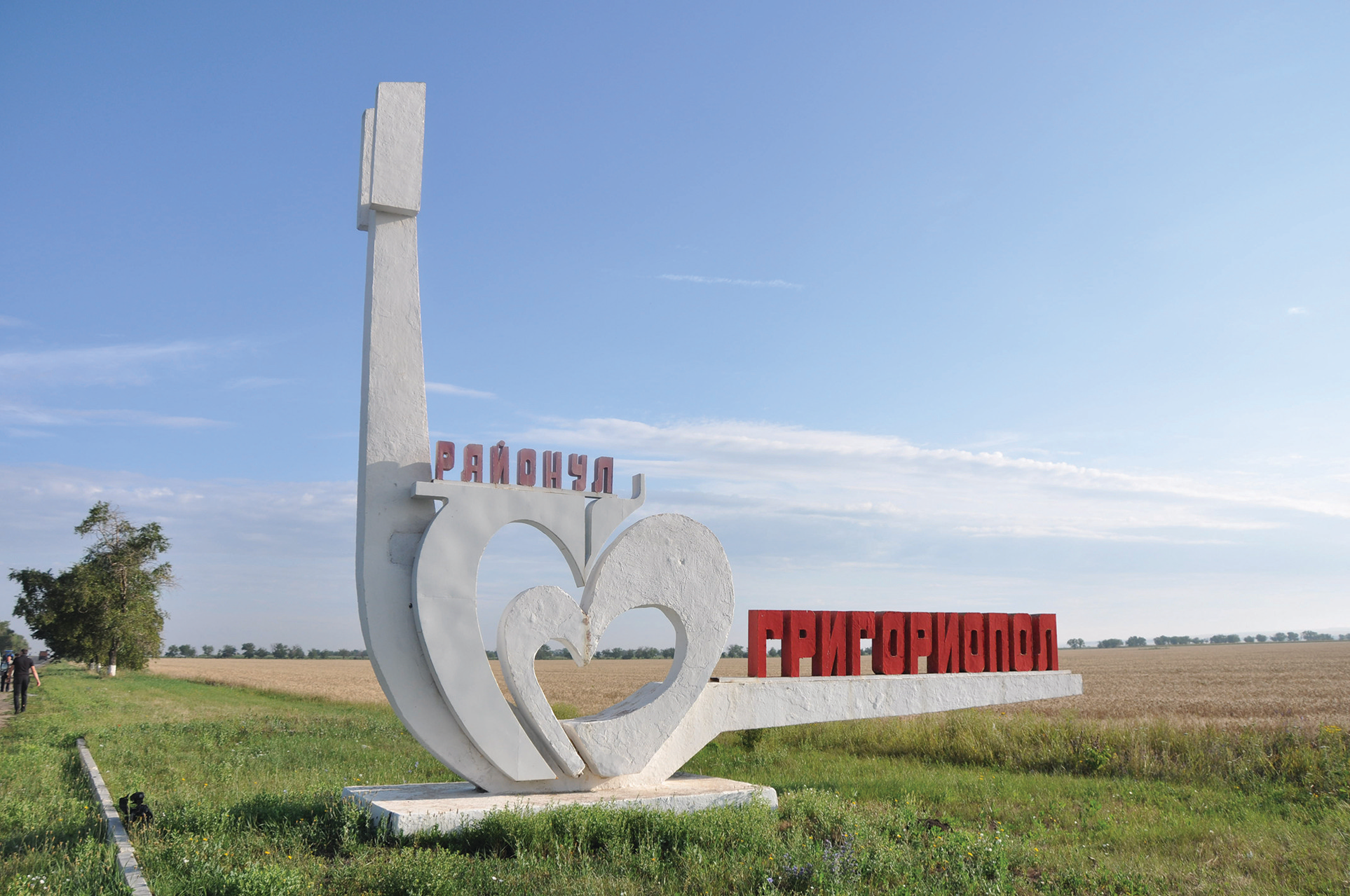
The Grigoriopol district was first established on October 12, 1924, as part of the Moldavian Autonomous Soviet Socialist Republic, though its administrative-territorial configuration changed several times over the following decades before the district was re-created in its current form in 1971.
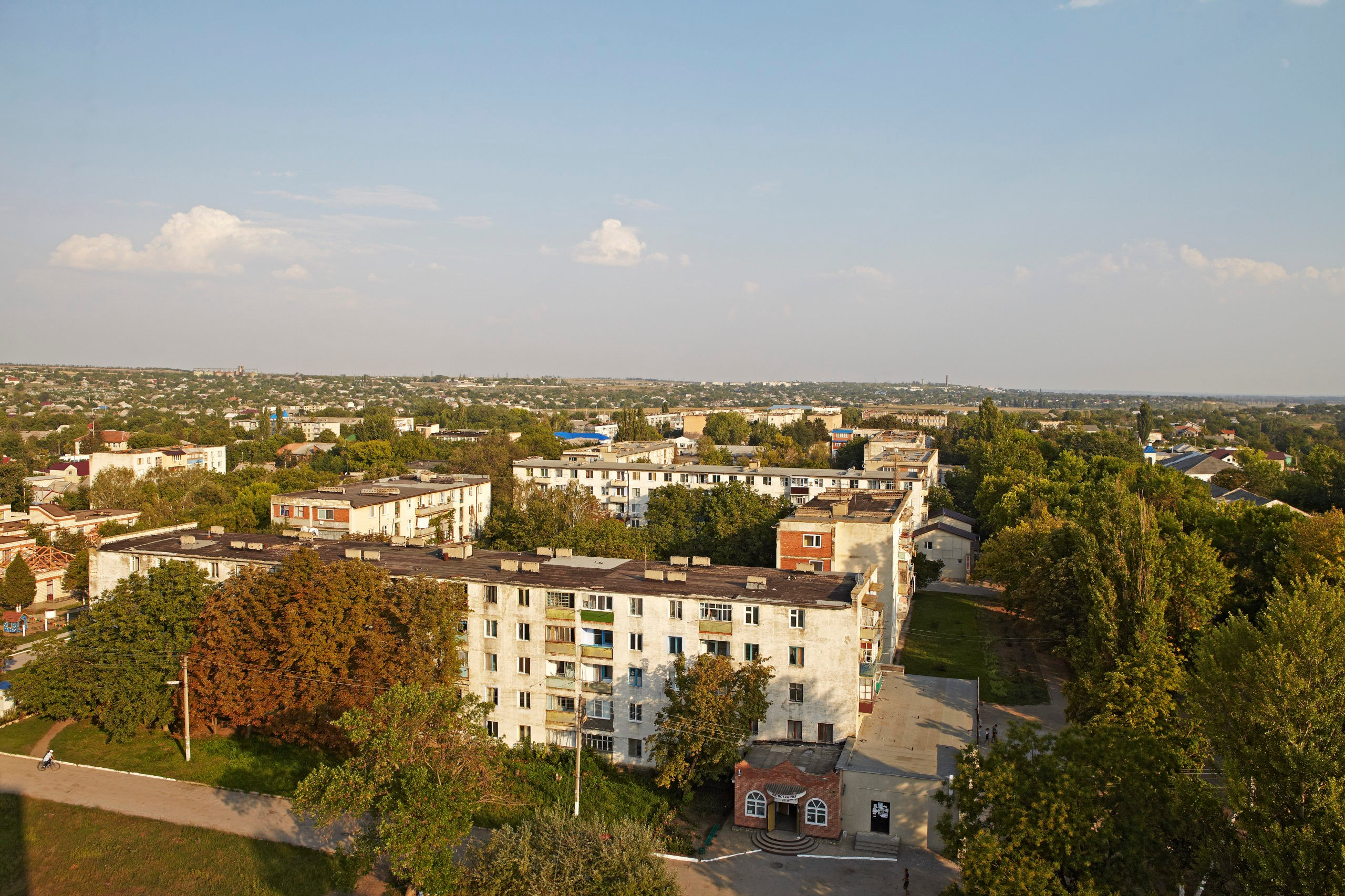
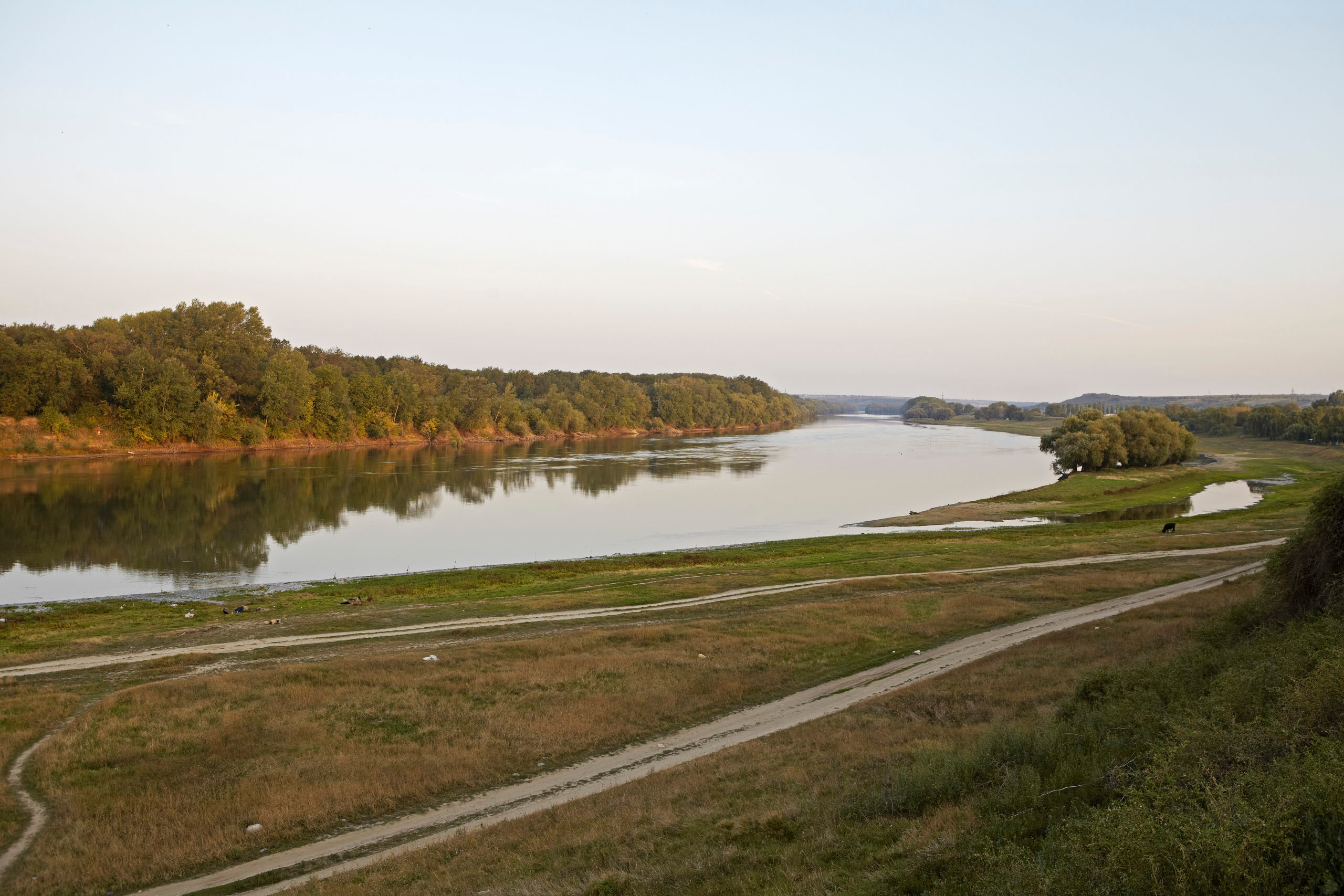
The town of Grigoriopol itself was founded by decree of Empress Catherine II in 1792, established as an Armenian colony that quickly developed into an important trade center on the Dniester River. The town’s Armenian origins are reflected to this day in its coat of arms and in the distinctive character of its central urban layout. During the Soviet era, Grigoriopol held the status of an urban-type settlement before formally receiving the status of a city in 2002.
The Grigoriopol district also preserves the legacy of German immigrant communities who settled here at the beginning of the 19th century, establishing colonies known as the Glueckstahl settlements: Kolosovo (Bergdorf), Glinoe (Glueckstahl) and Karmanovo (Neudorf). These communities lived in Pridnestrovie for many generations, leaving a distinctive cultural and architectural imprint on the district’s village landscape.
Today Grigoriopol serves as an important administrative and cultural center for its district, home to approximately 39,800 people across the town and surrounding communities.