
Polish traditions
Polish Heritage Route
Discover the vibrant Polish thread woven into the rich multicultural fabric of Transnistria on this sweeping Polish heritage route — a 170 km journey connecting 5 remarkable sites that celebrate the culture, faith and history of the Polish community in Pridnestrovie. Plan for a full day to do this route justice, as it spans the length of the region from Tiraspol all the way to Kamenka district.
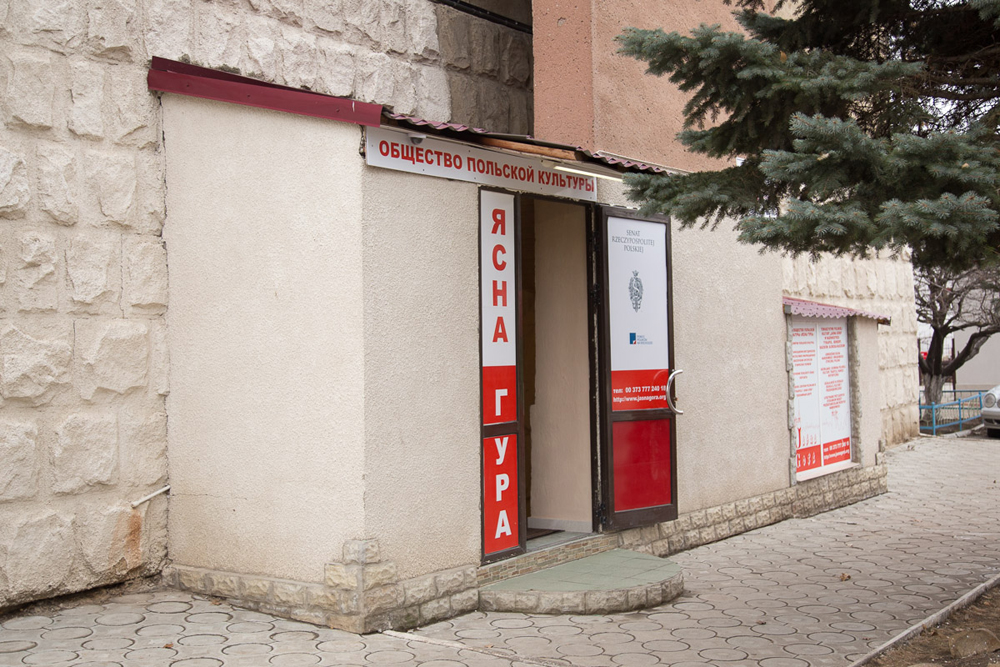
The route opens in the heart of Tiraspol at the Center of Polish Culture “Jasna Góra” (63 9th of January Str., Tiraspol) — named after the most sacred site in Poland, this cultural center is the beating heart of Polish community life in Transnistria. Through events, exhibitions and cultural programs, it keeps Polish traditions, language and identity alive and thriving far from the homeland.
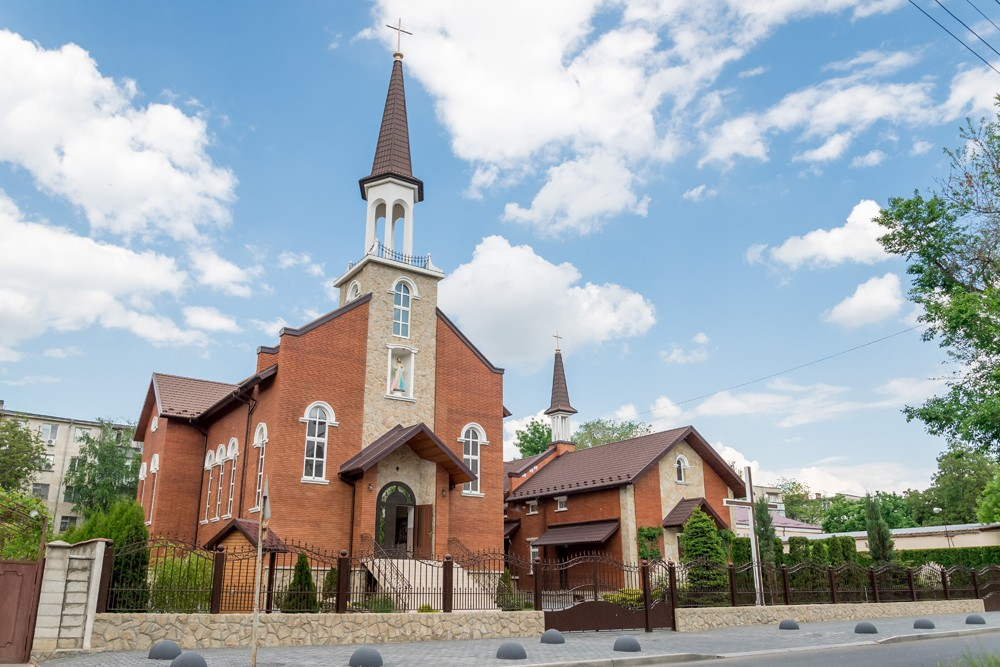
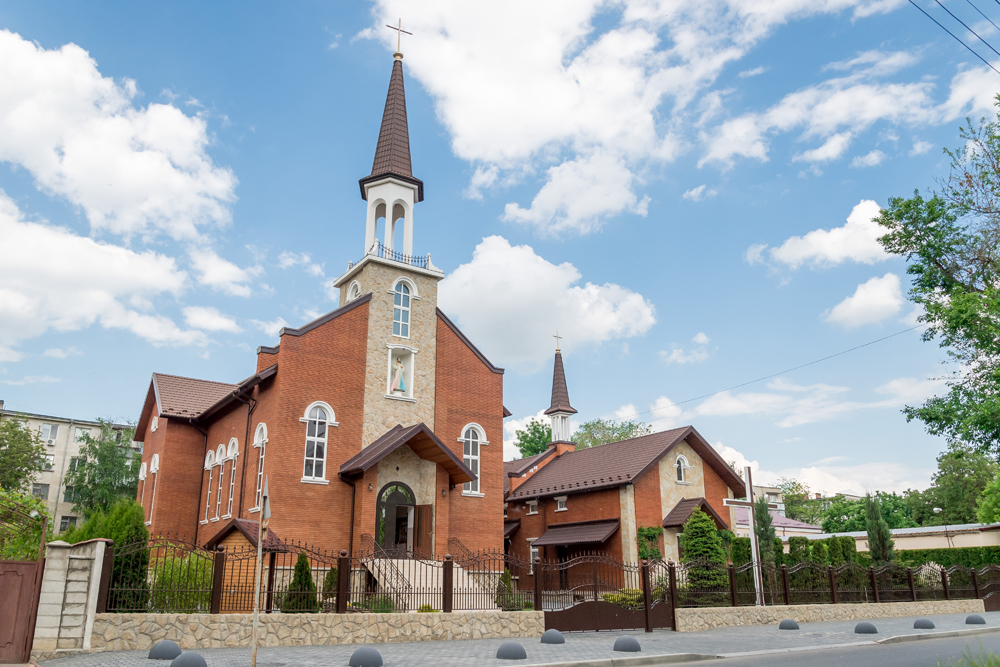
Just 260 meters away, the Parish of the Roman Catholic Church of the Holy Trinity (17 Suvorov Str., Tiraspol) stands as the principal place of Catholic worship in the city. This elegant church has long served as a spiritual anchor for Tiraspol’s Polish and Catholic communities alike, its doors open to all who seek reflection and prayer.
After a long scenic drive of 150 km north through the Transnistrian countryside, the route arrives at the Church of St. Martha in Sloboda-Rashkovo village (Kamenka district) — a quietly beautiful Catholic church that speaks to the deep roots of Polish settlement in this remote corner of the region. The journey to reach it only adds to the sense of discovery.
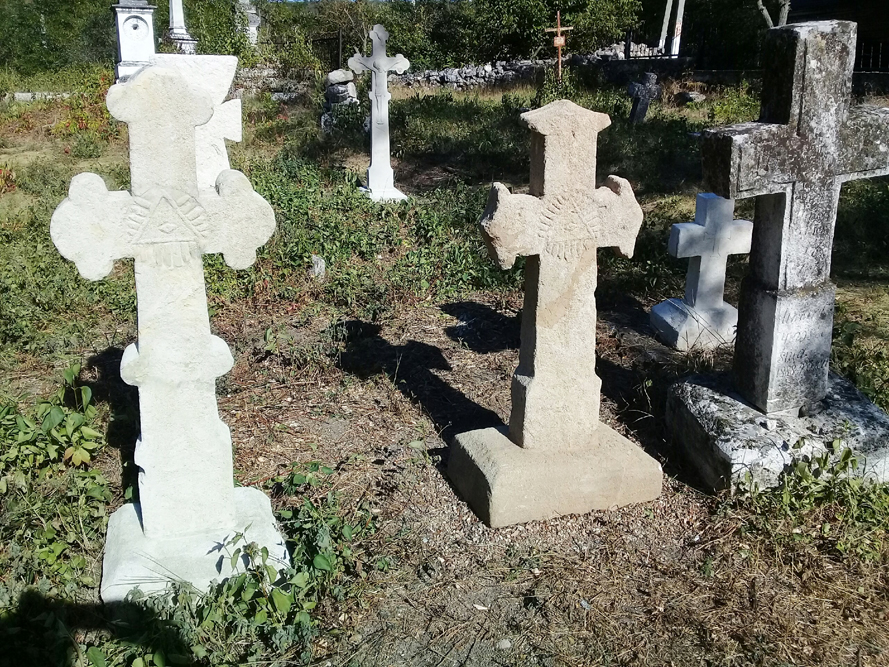
Just 12 km further, the Cemetery in Rashkov village (Kamenka district) offers one of the most poignant stops on the entire route. Among its headstones lie generations of Polish families who made Pridnestrovie their home — a deeply moving testament to lives lived, communities built and legacies left behind.
The route concludes 300 meters away at the St. Cajetan Catholic Church (Rashkov village, Kamenka district) — a historic gem already familiar to those who have explored Rashkov’s multicultural heritage. As the final stop on this Polish traditions route, it brings the journey full circle, closing with faith, beauty and a profound sense of cultural continuity.
Center of Polish Culture "Jasna Góra"
The Center of Polish Culture “Jasna Góra” — meaning “Clear (Bright) Mountain” — was founded by the organization “Society of Polish Culture ‘Jasna Góra’,” created to bring together ethnic Poles and anyone with a genuine interest in Polish culture and heritage. At its core, the center is dedicated to developing, protecting and preserving Polish traditions for the community in Tiraspol and beyond.
The center offers a wide range of activities and resources for those wishing to connect with Polish culture: Polish language courses, classes covering the history and culture of Poland, and a folk dance studio that keeps traditional Polish dance alive among new generations. The center is also home to the children’s vocal group “Koraliki,” nurturing young musical talent within the community. Beyond cultural and educational programming, the center provides consular consultations, serving as a practical resource hub for the local Polish community.
Parish of the Roman Catholic Church of the Holy Trinity
The Roman Catholic Church of the Holy Trinity Parish opened its doors in Tiraspol relatively recently, in 2017 — a deeply significant milestone for a parish community that had actually been officially registered decades earlier, back in 1997. In the years before the church building itself was completed, parishioners had to make do with weekly services held in a modest chapel or in the private homes of the faithful, while others made the journey to attend services at the established parish in neighboring Bendery.
The church’s importance was further underscored in 2018, when Vatican Secretary of State Cardinal Pietro Parolin personally traveled to consecrate the altar — a notable honor reflecting the significance of this new Catholic community in Tiraspol. Among the church’s most striking features is a magnificent organ, positioned on the balcony of the second floor directly above the main entrance, serving as a true gem of the new building and adding rich musical accompaniment to services held within these relatively young but already meaningful walls.

Church of St. Martha
In the village of Sloboda-Rashkovo, located in Kamenka district, stands the Church of St. Martha — a quiet but culturally vibrant place of worship that serves as more than just a spiritual center for the local community. The church is home to a dedicated folk group that keeps Polish musical traditions alive through performances of traditional Polish folk songs, adding a distinctive cultural dimension to this small village parish and connecting the congregation to the broader Polish heritage present throughout this corner of Pridnestrovie.
Cemetery in the Village of Rashkov
The Polish cemetery in Rashkov holds profound significance for the local Polish community, serving as tangible proof of the long-standing presence of Polish people on this land. More than just a burial ground, the cemetery stands as a living testament to the rich multinational culture that has defined Rashkov for centuries, where Polish, Orthodox, Catholic and Jewish heritage have all left their mark side by side within this remarkable village.
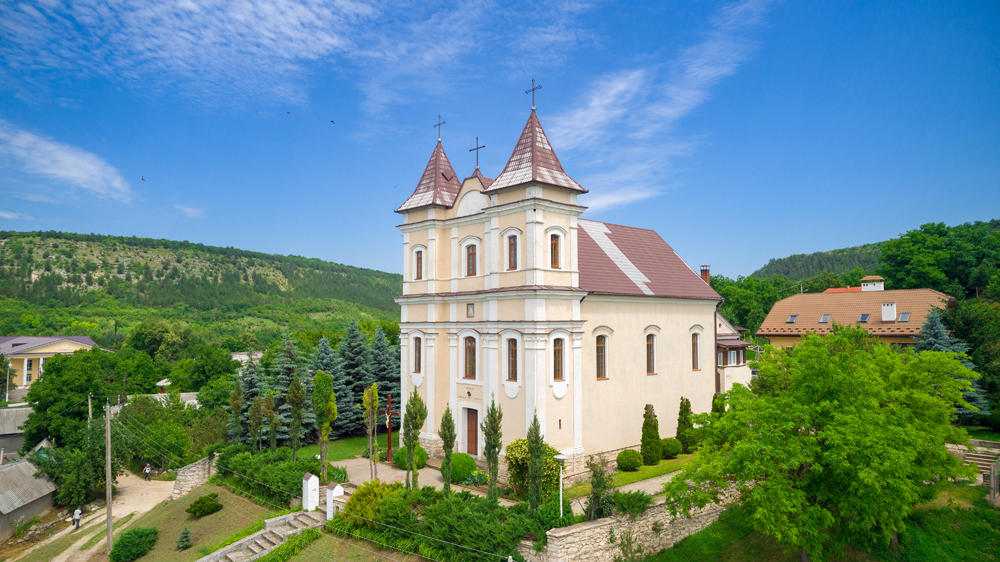
St. Cajetan Catholic Church
St. Cajetan Catholic Church holds a unique distinction as the oldest Catholic church in all of Pridnestrovie, remarkably preserved in nearly its original form to this day. The decision to build the church dates back to 1749, when Prince Jozef Lubomirski made the commitment to its construction — a decision documented in the historic manuscript known as the “Act of Foundation of the Church in Rashkovo.” Construction itself was completed in 1786, with the church consecrated five years later in honor of St. Cajetan.
Architecturally, the building stands as a classic example of 18th-century Polish Catholic church design, incorporating elegant Baroque elements that reflect the artistic sensibilities of its era. The church’s history took a difficult turn during the Soviet period, when it was closed by local authorities and repurposed first as a granary, then later as a joiner’s workshop — a fate shared by many religious buildings during that time.
It wasn’t until 1990 that the church was finally returned to the Catholic community. Since then, services have once again filled the building with the sounds of the pipe organ, restoring this remarkable piece of 18th-century heritage to its original sacred purpose.