 Skip to content
Crossing Transnistria’s administrative border scares off plenty of tourists in advance — in reality the process takes a few minutes and looks nothing like the dramatic stories floating around online. Here’s what it’s actually like.
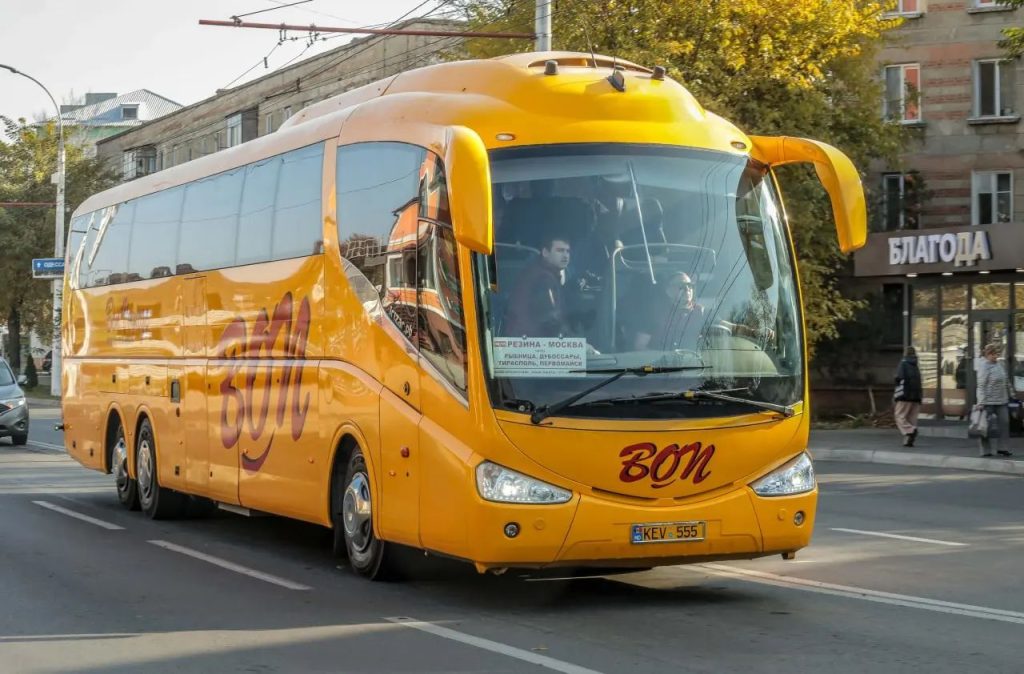
The first thing you see. Coming from Moldova, the road leads to a checkpoint near Bendery — an ordinary post with a barrier, a guard booth, and a modest queue of cars and minibuses. No barbed wire, no armed patrols out of an imagined “unrecognized state” — visually the post looks little different from any routine internal checkpoint.
The migration card. Every visitor is issued a small paper card on entry, recording your passport details and length of stay, usually up to 45 days with the option to extend. It’s filled out on the spot, in a few minutes, sometimes with help from a border officer or your guide if the form’s wording is unclear. Keep the card for the whole visit and hand it back on exit — losing it means extra conversation and a delay at the post, not a fine.
What questions they ask. The standard set — purpose of the visit, planned route, length of stay. With an organized tour group, the conversation is usually shorter: the guide already knows the routine and handles communication with the border staff. Independent travelers should be prepared to answer clearly and without irritation — officers work a standard procedure, they’re not looking for a reason to make trouble.
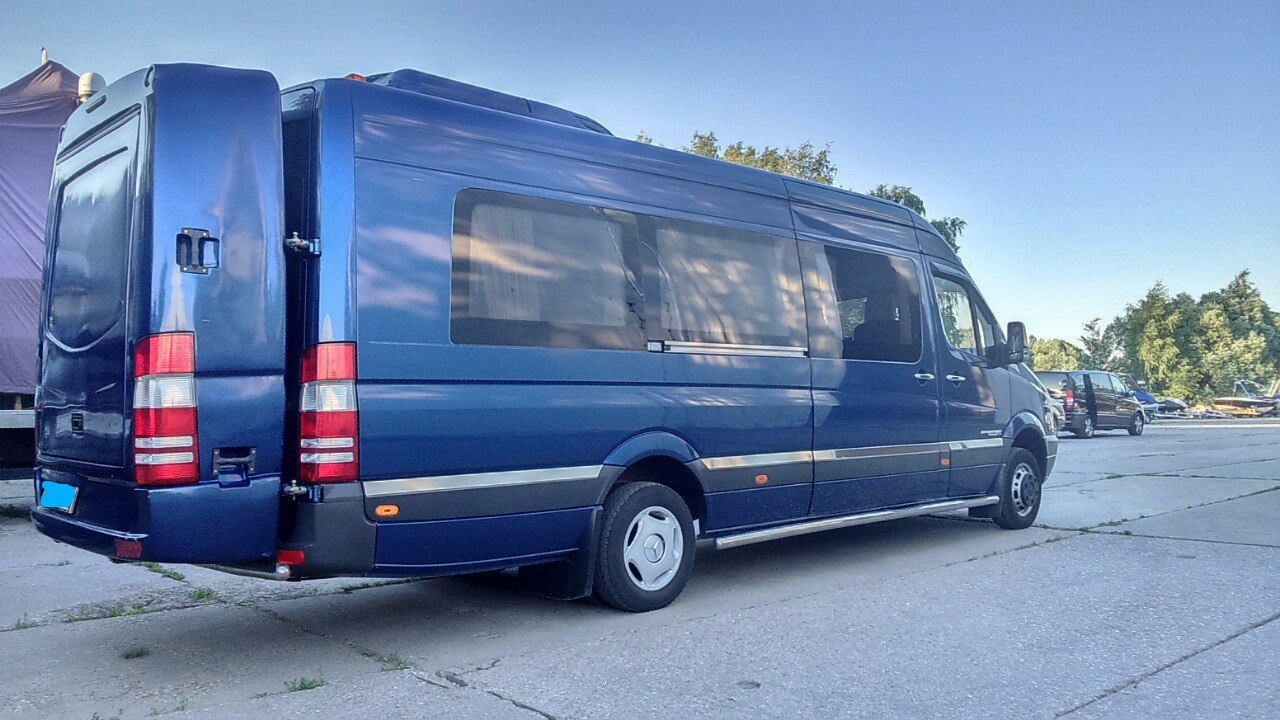
How long it takes. On average, 10-20 minutes for an organized group, longer during weekend peak hours or heavy traffic. That’s exactly the buffer to build into a day-trip schedule — rushing at the post is pointless and counterproductive.
What actually surprises visitors. Not strictness, but how routine it is: staff are polite, formalities are minimal, and the overall mood is more mundane than tense. Many admit they expected a far more dramatic experience — queues, interrogation, a sense of “crossing a front line” — and got a standard passport check instead, no different from any other country with its own border.
Children and families. The same migration-card process applies to children as to adults — no separate permit or document is usually required beyond a valid passport or birth certificate naming the accompanying adult. Families should budget a bit more time at the post, since filling out cards for several people takes longer than for one traveler.
When to avoid crossing. Peak load at the Bendery checkpoint falls on weekends during the height of summer season, when tourist groups and local traffic converge at the same time. If you can choose your travel day, a weekday or an early weekend morning noticeably cuts wait time.
Practical tip. Bring your original passport (not a copy), a bit of spare time, and a calm attitude toward the formalities — most unpleasant stories about the Transnistria border come from pre-trip anxiety, not real problems, which rarely hold up once you’re actually there.
If you’re on a guided tour. An organized tour removes most of the uncertainty — the guide knows the current procedure, helps with the card, and handles communication if questions come up. For a first visit to the region, this noticeably lowers the stress compared to crossing independently.
Also read: How to Get from Chisinau to Tiraspol · Entry Rules & Migration Card · Border Crossings