 Skip to content
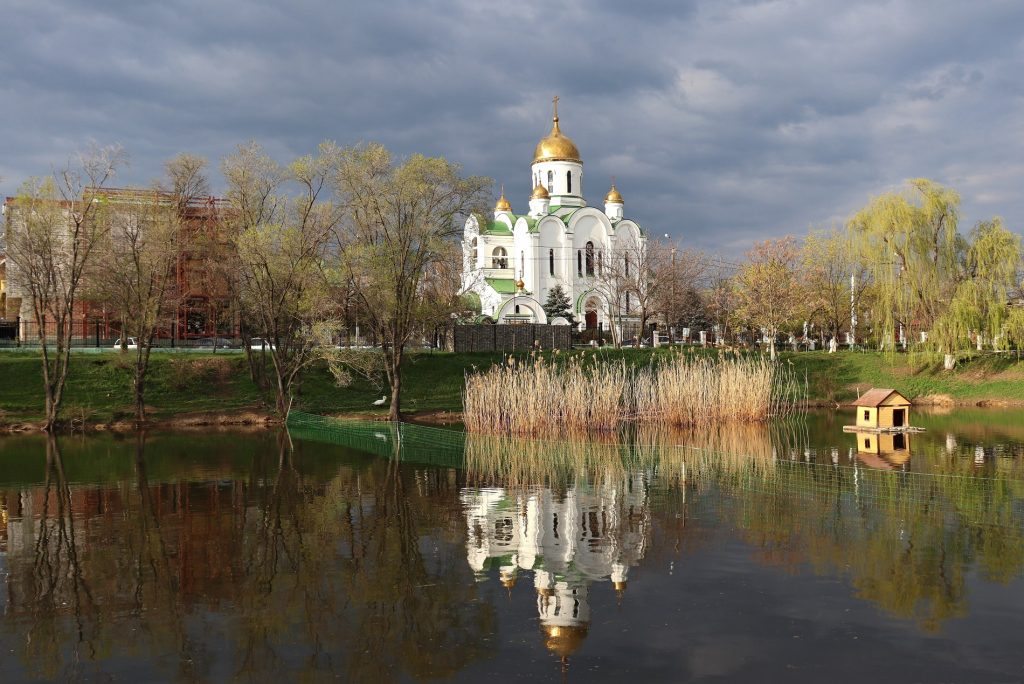
Chisinau and Tiraspol are just over an hour apart by road, but atmospherically they’re two different worlds — even though Tiraspol is formally considered part of Moldovan territory. Here’s how the two cities differ, and why it’s worth visiting both.
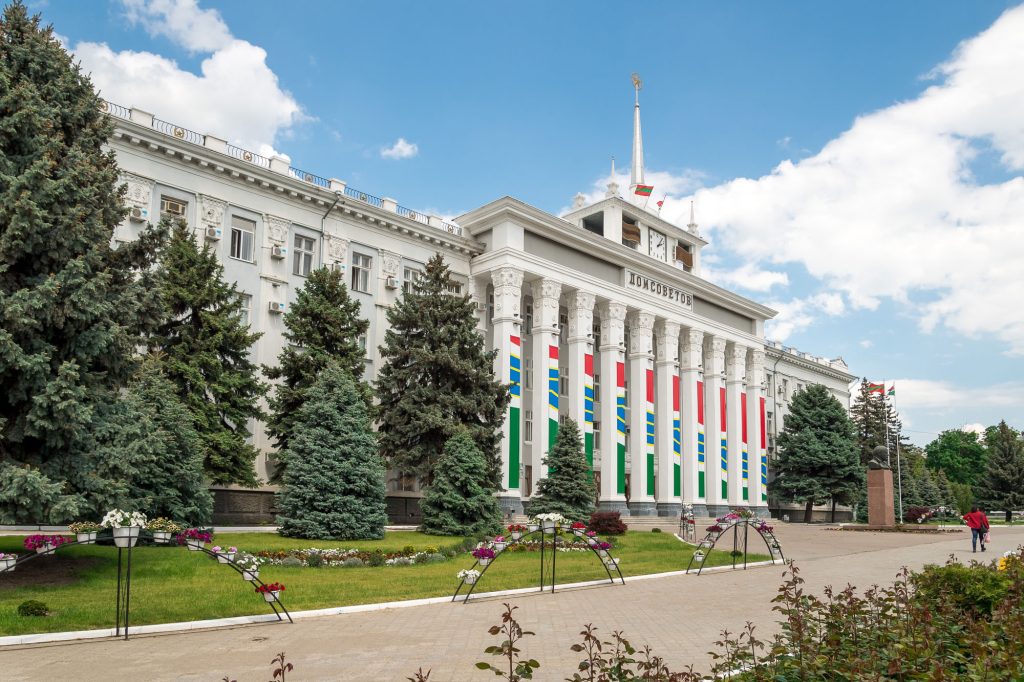
Architecture. Chisinau is a typical southern European city with an eclectic mix of eras, greenery, and modern malls sitting alongside older neighborhoods. Tiraspol, by contrast, has stayed frozen in Soviet-era aesthetics almost untouched: the House of Soviets, the Lenin monument on Suvorov Square, standard-issue panel housing blocks — architecture that most post-Soviet capitals rebuilt or re-faced long ago.
Atmosphere. Chisinau runs at the pace of an ordinary European capital — cafes, coworking spaces, tourists from all over. Tiraspol feels slower and more formal: less tourist noise, more state symbolism on the streets, a sense of a separate, self-contained system with its own rules.
Currency and prices. Chisinau runs on the Moldovan leu, and cards are accepted almost everywhere. Tiraspol has its own Transnistrian ruble, foreign bank cards barely work, and cash is required. Food and souvenirs run cheaper on average in Transnistria than in Chisinau, especially at markets and small cafes outside the tourist center.
Getting around each city. Chisinau runs a familiar mix of public transport and app-based taxis — you can summon a car in a couple of minutes from your phone. Tiraspol’s transport system runs independently: trolleybuses and minibuses remain the main way to get around, and the ride-hailing apps common in Europe don’t operate here — cars are usually booked by phone or hailed on the street.
Visas and formalities. Chisinau is a normal entry on a Moldovan visa or visa-free regime, no extra formalities. Tiraspol requires crossing the administrative border and getting a migration card — a separate procedure that doesn’t exist within Moldova proper.
Size and pace. Chisinau is a city of roughly 500,000 people, with the infrastructure, traffic and nightlife to match. Tiraspol is noticeably more compact — around 130-140,000 residents: you can walk the center in a couple of hours, and by 9-10pm the streets empty out noticeably compared to a livelier Chisinau. For a visitor this means a different kind of trip — a busy city experience in Chisinau, a quieter, more museum-like one in Tiraspol.
What to see in each city. In Chisinau — the cathedral, Ștefan cel Mare Park, the nearby Cricova and Mileștii Mici wine cellars. In Tiraspol — the House of Soviets, the Suvorov Monument, the KVINT distillery, the Dniester embankment. The cities don’t compete, they complement each other: the typical route is basing in Chisinau and taking a day trip into Transnistria.
How much time to budget. About an hour and a half between the cities, border check included. The logical setup is using Chisinau as a base for lodging and short outings, and treating Transnistria as a standalone day trip or multi-day visit rather than a stop along the way.
Short version. Chisinau is about the familiar European capital experience; Tiraspol is about something almost nowhere else left in Europe. That contrast is exactly the argument for visiting both cities instead of picking one.
Also read: Transnistria Tour from Chisinau · Crossing the Transnistria Border · The Flag and Coat of Arms of Transnistria