 Skip to content
The standard Transnistria route covers Tiraspol and Bendery in a single day. But the region has another side rarely shown on day tours — here are the places most standard programs never reach.
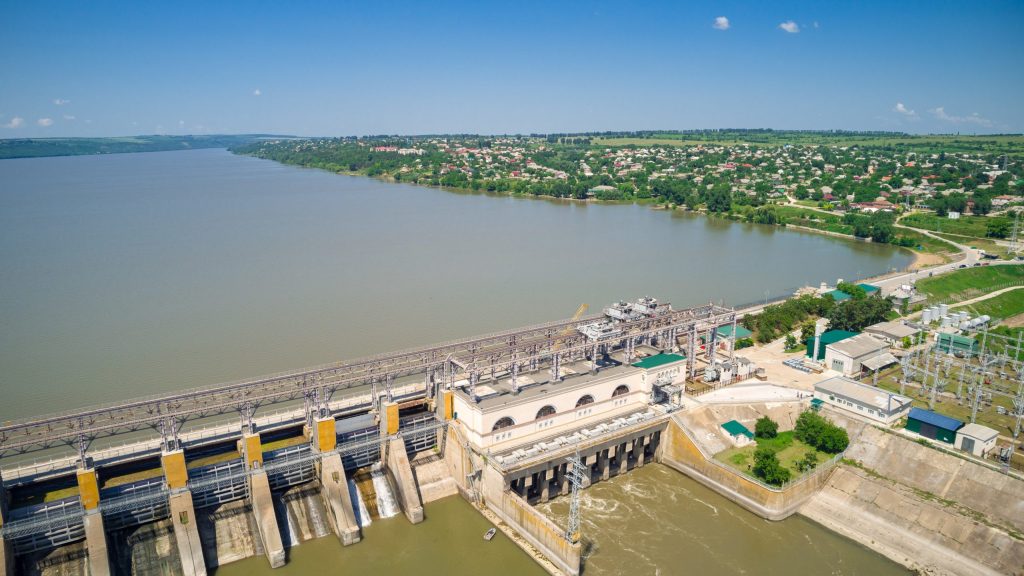
Dubossary Dam. One of the first post-war Soviet hydroelectric stations, still operating and visually striking — the dam spans the Dniester with an imposing engineering structure set against the calm water of the reservoir. It barely features on standard tours because it sits off the main Tiraspol-Bendery route, but for anyone interested in Soviet industrial architecture, it’s one of the most underrated spots in the region.
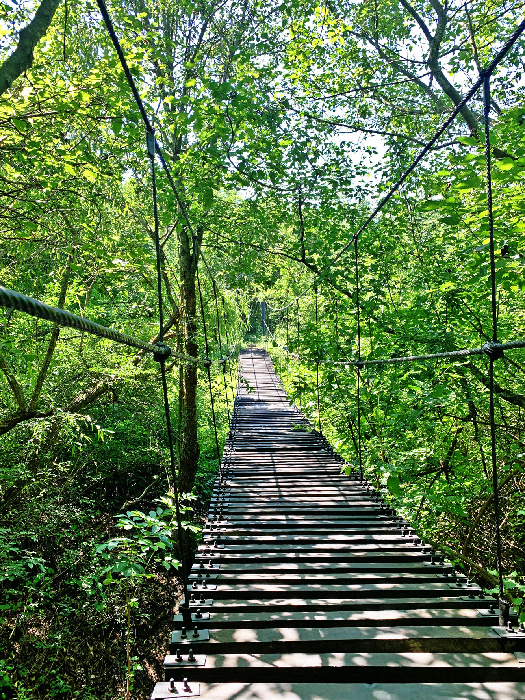
The suspension bridge near Mocharovka. Tucked away in the Transnistrian countryside is a wooden suspension bridge across a forest ravine — a spot that usually only appears on cycling-tour routes, not standard city excursions. The road to the ravine runs through dense forest, and the rope-railed bridge itself feels far removed from the familiar tourist Transnistria.
Rybnitsa — the industrial north. While most tourists stick to Tiraspol and Bendery, the northern city of Rybnitsa remains largely unknown to the wider public — though it has its own atmosphere, distinct from the capital, and its own Soviet-era urban architecture.
Village churches and hamlets. Cycling routes through the Transnistrian countryside pass small village churches and hamlets that don’t appear in any travel guide — simply because you can’t reach them without transport able to handle dirt roads. This is where the gap between formal Tiraspol and the region’s everyday, non-urban life is most visible.
Abandoned and semi-abandoned sites. As in many post-Soviet regions, Transnistria has its share of Soviet-era industrial sites, partly abandoned after the collapse of the planned economy — some visible right from the road between cities, but never on an organized itinerary. For fans of industrial aesthetics, this is an entirely unorganized, self-guided theme of its own.
The centuries-old oak groves of Kitskany. Cycling routes pass ancient oak groves — trees local historians estimate at several centuries old. The spot is barely promoted as a tourist attraction, though its atmosphere rivals far more publicized natural landmarks in neighboring countries — you just have to reach it by bike or car on a dirt road.
Etiquette for these kinds of places. Industrial and rural sites off the tourist route aren’t set up to receive visitors — no signage, fencing or staff. Use the ordinary caution such places call for: don’t enter active industrial sites unescorted, and let your guide or locals know your plans if you’re heading out independently.
Why these aren’t on standard tours. The logic is simple — organized day tours physically can’t cover everything, so the most recognizable landmarks stay the priority: the fortress, the House of Soviets, KVINT. Everything above requires either a dedicated multi-day itinerary (a cycling or kayaking tour) or an independent trip by car.
How to actually see it. Some of these places — the Dubossary dam, the suspension bridge, rural landscapes — are part of active multi-day cycling or kayaking tours. For the rest, budget a separate day and rent a car or arrange an individual guide.
Also read: Dubossary and Rybnitsa: Is It Worth the Trip · Dubos Bike Ride · 15 Things to Do in Transnistria