 Skip to content
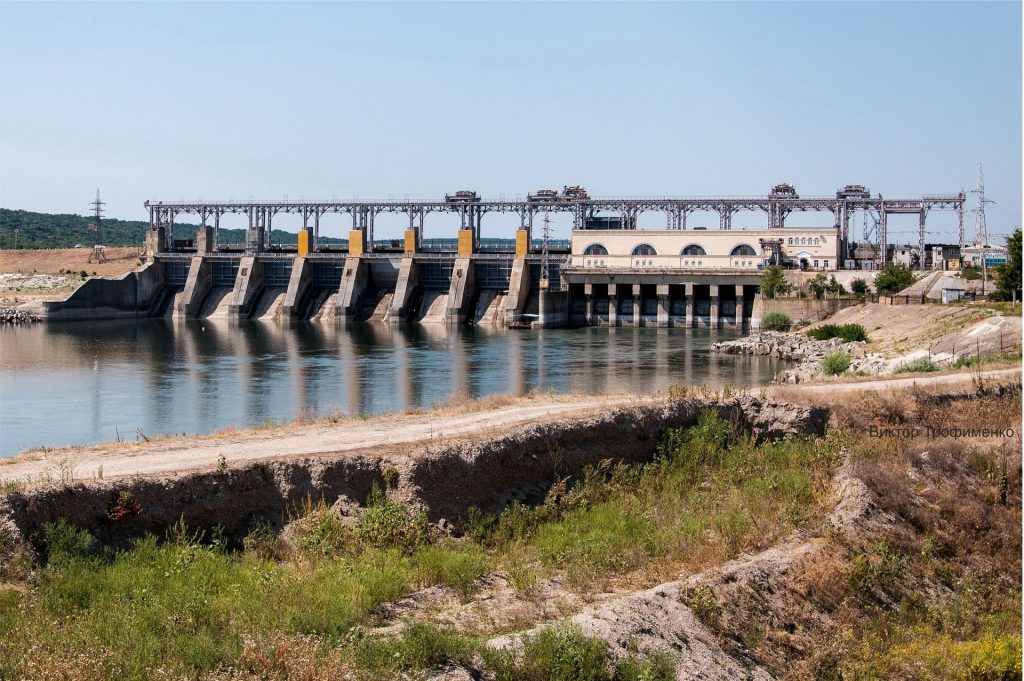
Tiraspol and Bendery cover most day tours, but Transnistria also has a northern half — Dubossary and Rybnitsa — that few visitors reach. Here’s who should set aside a separate day for them, and why.
Dubossary. A small town on the shore of the Dniester Reservoir, known above all for its hydroelectric dam — one of the first major post-war Soviet-era stations, still operating and visually impressive. Beyond the industrial architecture, the town has a quiet embankment and an unhurried pace of life, markedly different from more touristy Tiraspol. Locals often choose Dubossary over the capital for fishing and simple time by the water.
Rybnitsa. The largest city in the region’s north, historically tied to steel production — one of Transnistria’s key industrial plants operates here. Seen from above, the city looks surprisingly green and tidy, with wide Soviet-planned avenues and its own architectural character, distinct from Tiraspol. For anyone interested in more than postcard sights — the region’s working, everyday side — Rybnitsa offers an experience quite different from the capital’s showcase center.

Distance and logistics. From Tiraspol, Dubossary is about an hour away; Rybnitsa is further north still, roughly an hour and a half to two hours. That makes a trip north better suited to its own separate day than an add-on to the standard Tiraspol-Bendery program — combining everything into one day trip is genuinely difficult.
Is it worth going? With only one day for the whole region, Tiraspol and Bendery with the fortress are clearly the priority. But on a multi-day trip, or if you’ve already seen the capital, the north offers what the showcase center lacks — a sense of ordinary, un-polished regional life, an industrial history, and an entirely different pace.
The steel plant and the city’s identity. The Rybnitsa Metallurgical Plant is one of the region’s largest industrial employers and the town’s de facto economic center — a significant share of the population is connected to it in one way or another. The plant itself is closed to visitors, but that industrial foundation explains the city’s character — working-class neighborhoods, wide avenues planned around the enterprise, and a distinctly un-touristy, everyday atmosphere compared to Tiraspol’s showcase center.
What to see in Rybnitsa. Beyond the industrial skyline — Soviet-era monuments, a central square with historic buildings, and a Dniester embankment that’s less manicured than Tiraspol’s or Bendery’s, but atmospheric precisely for that rawness.
Food and lodging up north. Tourist infrastructure in Dubossary and Rybnitsa is noticeably more modest than in Tiraspol — don’t expect a wide choice of restaurants or international-standard hotels. On the upside, local cafe food tends to be genuinely homestyle rather than adapted for tourists, which for many becomes an added appeal of the trip.
Practical tip. A trip north is best planned with your own transport or through an individual guide — there’s no regular tourist route to Dubossary and Rybnitsa comparable to the Tiraspol tours. That makes this more of a niche experience for travelers who’ve already covered the standard program and want to see the region more fully.
Also read: Hidden Places in Transnistria · 15 Things to Do in Transnistria · How to Get from Chisinau to Tiraspol