 Skip to content
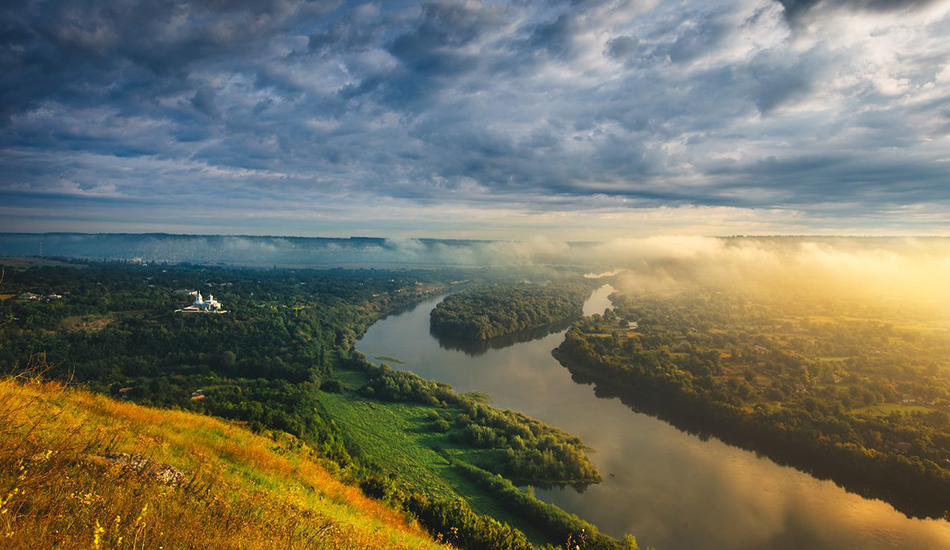
Transnistria sits in the same climate zone as most of Moldova and southern Ukraine — warm summers, mild autumns, and a short, not-always-snowy winter. Here’s which season fits your kind of trip.
Spring (April-May). The best time for walking routes through Tiraspol and Bendery: the air warms to a comfortable 18-22°C, parks and the Dniester embankment turn green, and there are noticeably fewer tourists than in summer. April can be changeable — bring a light jacket — but weather usually settles by May. This is also a good window for Dubossary and Rybnitsa, where summer heat is harder to bear with less shade around.
Summer (June-August). Peak season for time on the water — kayaking tours on the northern Dniester make the most sense in these months, when water level and temperature suit paddling. Daytime temperatures in Tiraspol often climb to 30-33°C, so city tours are best started in the morning, leaving the hottest hours for lunch and rest. July-August is also when local festivals and city celebrations happen, if you want to catch Tiraspol “alive” rather than purely as a tourist stop.
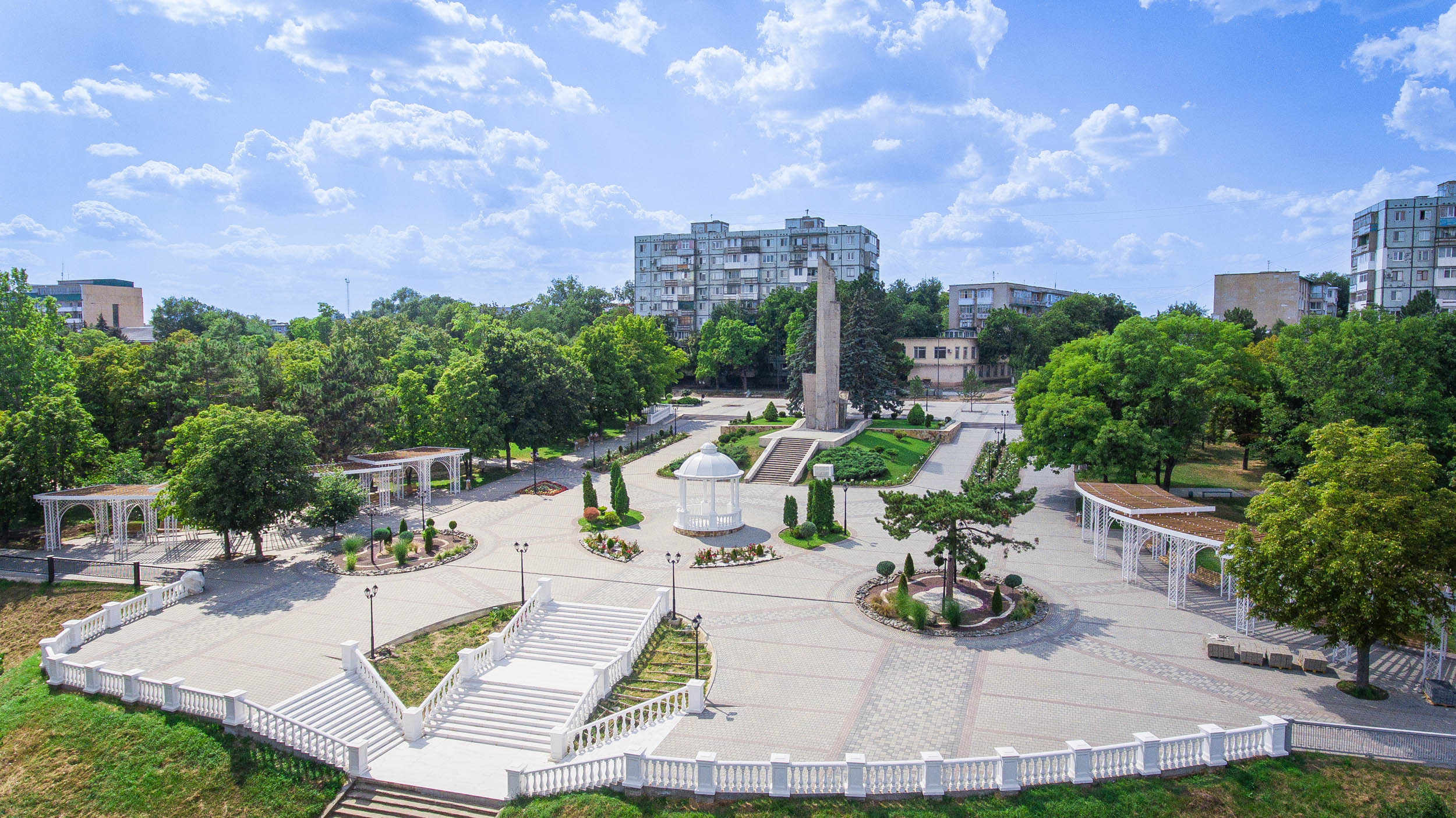
Autumn (September-October). Many guides call early autumn the best time to visit: the heat fades but warmth holds through mid-October, and the oak groves and parks along the Dniester turn gold — especially striking on cycling routes through the countryside. September is also grape harvest season, which makes a visit to the KVINT distillery more atmospheric than at other times of year.
Winter (November-March). Low season with the fewest tourists, and correspondingly uncrowded museums and no queues. Snow is irregular and doesn’t usually stick around, average temperature hovers around 0…-5°C. Tiraspol’s Soviet-era architecture looks good in winter — the House of Soviets and the Lenin monument are striking in a frosty haze — but active tours (kayaking, cycling) don’t run this time of year.
Rain and humidity. The rainiest months are April and November, when extended cloudy spells are possible, but downpours severe enough to derail a full day of sightseeing are rare. Summer rain in June-July is usually short and thundery, passing within an hour or two without disrupting the rest of the day. Pack an umbrella or light raincoat in any season except peak summer.
What about the border checkpoints? Season barely affects checkpoint operations — they’re open year-round, and migration-card entry procedure is identical in summer or winter. The only difference is congestion: during peak summer tourist season on the popular Bendery routes, border queues can run a bit longer.
City festivals and dates. Tiraspol’s City Day and other major celebrations usually fall in the warmer half of the year and come with concerts on Suvorov Square and festive decorations downtown — if you want to catch the city dressed up, ask your guide for exact dates when planning, since they can shift slightly year to year. In winter, the key event is New Year and Christmas decorations on the House of Soviets, which turn the Soviet architecture into an unexpectedly festive backdrop.
Short version. For city walks and photography — April-May or September-October. For kayaking — June-August. For a quiet trip without crowds — anytime from November to March, keeping in mind some activities won’t be available.
Also read: Kayak the North · 15 Things to Do in Transnistria · Dubossary and Rybnitsa